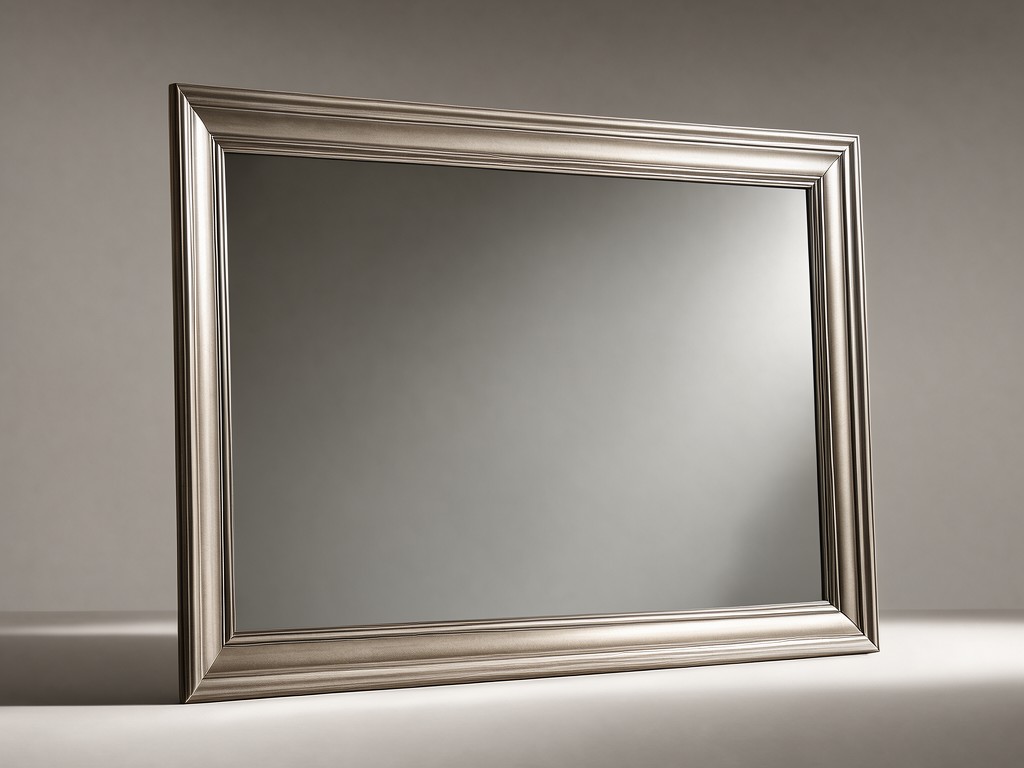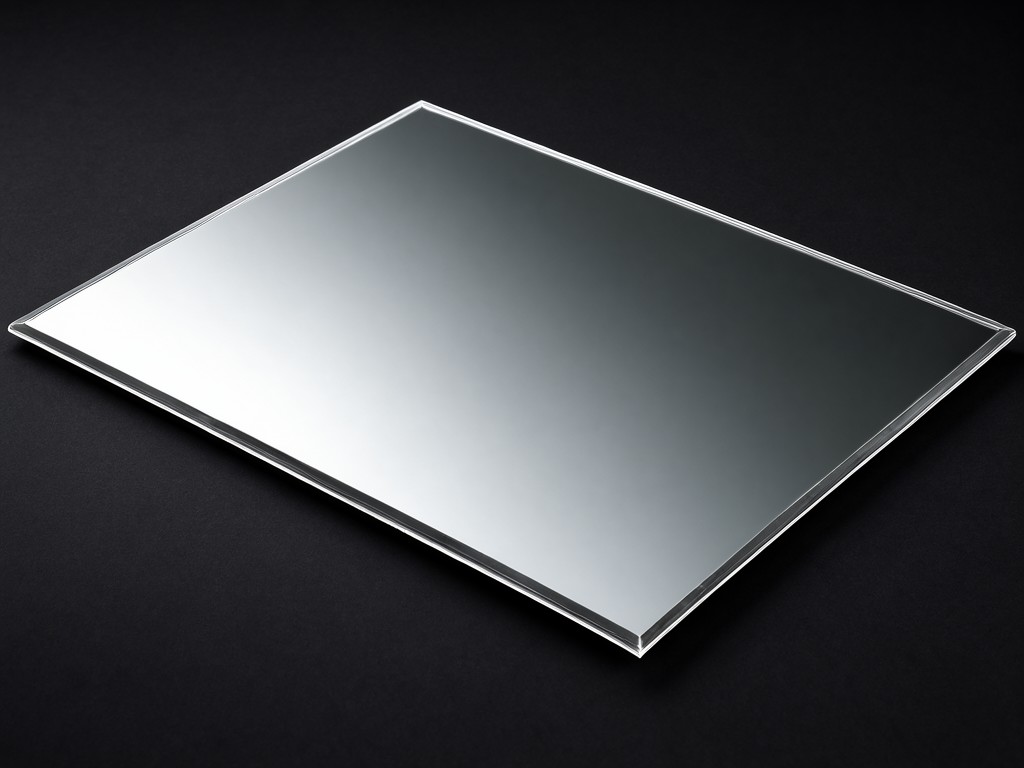
Glass thickness sets three linked variables: reflection flatness, panel weight, and freight damage risk. A 4 mm sheet keeps handling and wall-load costs down but shows more waviness at 1.5 metres and above; 6 mm stiffens the reflection and resists bow, yet adds roughly 15 kg per square metre and changes the fixing specification. Choose the thickness that matches the mounting method, not the showroom sample.
Specifying custom large rectangle living room wall mirror supplier for Wholesale and OEM Orders
Measured Performance in Real Use
The limiting factor is rarely the headline specification. Buyers reject large rectangle mirrors for edge corrosion, wavy reflection, and corner chips that appear after the third or fourth reorder, not for the initial silver grade printed on the spec sheet.
Float glass in 4 mm, 5 mm, and 6 mm thicknesses behaves differently once it exceeds one metre in either dimension. Four millimetre sheet flexes in a standard cleat mount and returns a visible ripple when the viewer moves, while six millimetre resists that bow but loads the wall fixings and the crate equally. Silvering consistency matters more than thickness alone: a batch with uneven deposition looks patchy under side lighting, and copper-free backing slows the black-edge creep that starts at the cut perimeter. Safety film adds hold if the glass breaks, but it cannot fix a panel that already distorts at the factory.
Specify flatness by reflected-line inspection rather than by eye, and confirm weight per square metre before the wall is specified.
How to Choose Before Requesting a Quote
Weight and stiffness trade off against each other. A buyer specifying a 2.0 metre by 1.0 metre panel for a masonry wall has different fixing requirements than the same panel on a stud partition, and the glass thickness that prevents sag in one location overloads the other. Match the panel to the wall substrate and the cleaning interval before requesting a quote.
| Usage level | Glass thickness | Backing | Edge finish | Mounting hardware | Typical panel weight |
|---|---|---|---|---|---|
| Residential living room | 4 mm or 5 mm | Standard silver | Flat polish | D-ring or cleat | 10–12.5 kg/m² |
| Hospitality lobby | 5 mm or 6 mm | Copper-free silver | Bevel or pencil | French cleat or Z-bar | 12.5–15 kg/m² |
| Club or academy lounge | 6 mm with safety film | Copper-free silver plus safety film | Sealed edge | Through-bolt or security cleat | 15 kg/m² plus film |
Heavier glass needs a fixing rated for the full panel weight, not an estimate based on frame size.
Customisation Options and Their Limits
Large rectangle mirrors fail most often at the edge and at the fixing point. A polished edge that micro-chips during packing invites moisture into the silver layer, and an undersized cleat allows the panel to shift until the adhesive creeps. Customisation works best when the buyer picks one variable to change and holds the rest constant across the order.
| Option | Available choices | Limit or trade-off | Typical MOQ impact |
|---|---|---|---|
| Glass thickness | 4 mm, 5 mm, 6 mm | Thicker raises freight cost and wall-load requirement | None beyond standard pack |
| Glass type | Clear float, low-iron, tinted | Low-iron removes green cast but adds cost per square metre | Sample approval required |
| Backing | Standard silver, copper-free | Copper-free delays black edge but cannot prevent edge seal failure | Batch traceability added |
| Edge finish | Flat polish, bevel, pencil | Bevel increases edge breakage in transit | Crate padding changes |
| Frame | Frameless, aluminium extrusion, wood | Frame weight adds to fixing load | Lead time +5–10 working days |
| Size | Up to 2400 mm x 1200 mm single sheet | Larger than one sheet requires joining or multiple panels | ODM tooling review |
Edge sealing and backing adhesion are the two variables that separate a one-off sample from a repeatable production run.
OEM and ODM Programme Structure
Repeat loading drives the failure at the fixing point, not in the glass itself. A private-label programme needs batch traceability on silvering lots and edge polish runs so a reorder matches the approved sample within visible tolerance.
- Sample approval against a sealed master panel before production starts.
- Silvering batch records kept with each shipment for reorder matching.
- Pack configuration set to the destination: domestic pallet, export crate, or container load.
- Branding or private label applied to backing or packaging, not to the glass face.
ODM work begins with a tooling review for frame extrusion or custom cleat design, and the tooling cost amortises only after the order volume passes the break-even point.
Stock Availability and Reorder Planning
Reorder failure usually comes from lot-to-lot drift in reflectivity and thickness. A buyer who accepts a 4 mm panel in January and receives 4.2 mm in June finds the wall fixings no longer sit flush and the reflection looks thinner at the edges.
Stock programmes hold standard sizes in 5 mm clear float with copper-free backing, while custom sizes run against a confirmed purchase order with a sample sign-off. Lead time depends on glass annealing and cutting schedule, not on artwork.
Setup, Use and Replacement Parts
A 2.0 metre by 1.0 metre panel at 6 mm weighs roughly 15 kg before frame or backing reinforcement. The fixing must carry that weight plus a safety factor for cleaning pressure and accidental impact. Cleat systems spread the load across two wall points, while D-rings concentrate it and suit lighter 4 mm panels only.
Replacement parts include wall cleats, D-rings, safety film rolls, and edge-seal tape. Clean with a non-abrasive cloth and avoid moisture at the edge, where seal failure starts. Do not spray liquid directly onto the glass; run-off pools at the bottom edge and attacks the silvering over time.
Questions Buyers Ask Before Ordering
What thickness should I specify for a living room wall?
Four millimetre suits a panel under 1.2 metres on a solid wall with a cleat. Above that width, five millimetre reduces visible waviness, and six millimetre is the default where the wall cannot take a heavy fixing or where the panel will be cleaned often.
How do I match a reorder to the original sample?
Request the silvering batch number and edge polish run from the first order, then compare reflected-line flatness and thickness against the sealed master panel kept at the factory.
Can the mirror be framed after delivery?
Frameless panels can be fitted with an aluminium extrusion or wood frame on site, but the added weight changes the fixing specification and should be recalculated before installation.
What packaging protects large panels in export?
Export crates use corner protectors, interlayer foam, and vertical packing with the silvered face inward. Domestic pallet loads suit shorter lead times but carry higher edge-chip risk over long haul.
Request a tooling review for custom frame extrusion, cleat design, or non-standard panel size.