Custom Gold Round Bathroom Mirror 36 Inch Factory: What Buyers Should Check Before Ordering
Scope of Supply and Physical Form
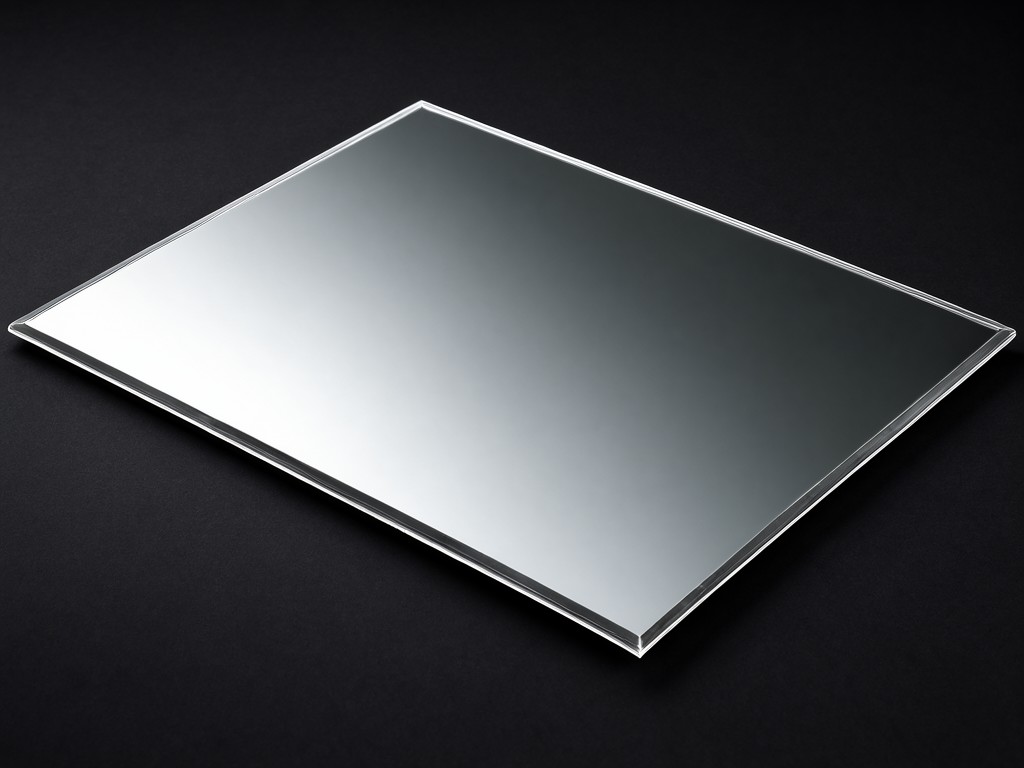
Deflection under load governs the structural integrity of the mirror surface during transit and permanent wall mounting. A 36-inch diameter requires specific glass tension parameters to prevent center-point bowing which leads to optical distortion. Our factory process utilizes a multi-point mounting bracket system to distribute the weight of the glass evenly across the substrate. This configuration ensures the mirror remains flat even in high-vibration environments like commercial bathrooms.
Standard units include the silver-backed glass, the decorative frame, and the necessary mounting hardware.
Materials and Construction Trade-offs
| Feature Component | Technical Specification | Trade-off |
|---|---|---|
| Glass Thickness | 4mm vs. 6mm | 6mm increases impact resistance but adds significant freight weight. |
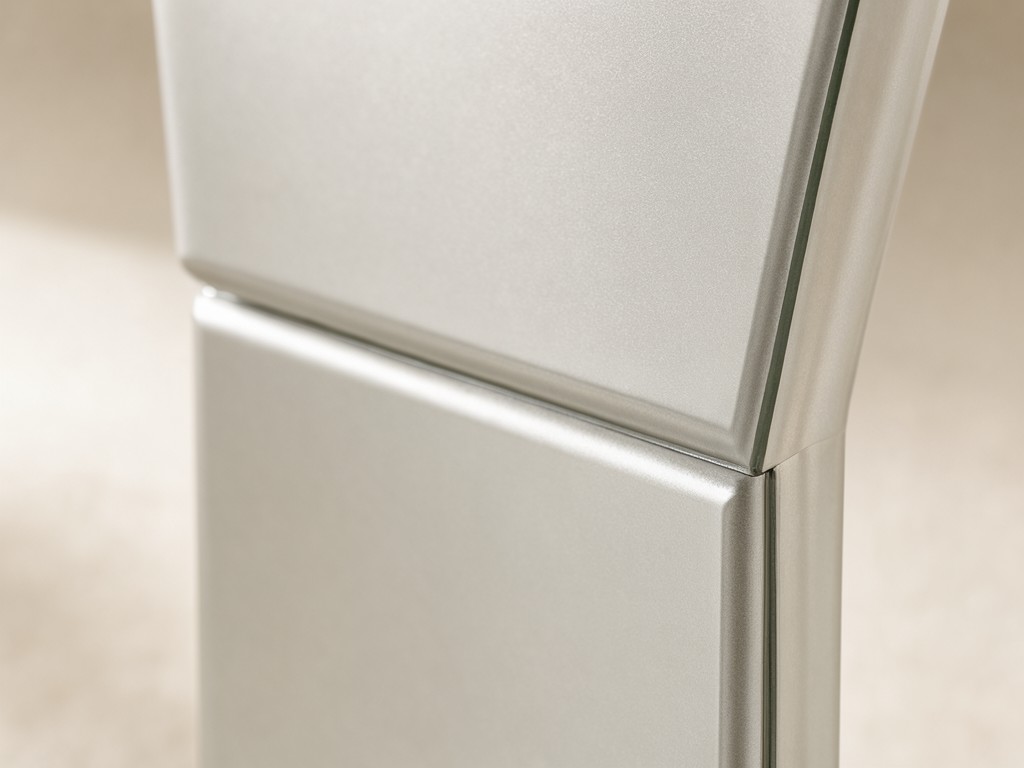
| Frame Material | Aluminum vs. Resin | Aluminum offers better corrosion resistance; resin allows intricate molding. |
| Finishing Method | PVD Coating vs. Electroplating | PVD provides higher abrasion resistance at a higher cost. |
Specification Range and Customisation Limits
Edge-Sealant De-silvering Protection
The interface between the silver-backing and the glass edge determines the lifespan in high-humidity bathroom zones. We apply a moisture-resistant sealant to the cut edges to prevent de-silvering commonly known as black spotting. This process is critical for mirrors intended for commercial environments with direct steam exposure.
Customizable frame widths are limited between 20mm and 50mm to maintain the structural balance of the 36-inch span.
Assumptions Buyers Should Stop Making
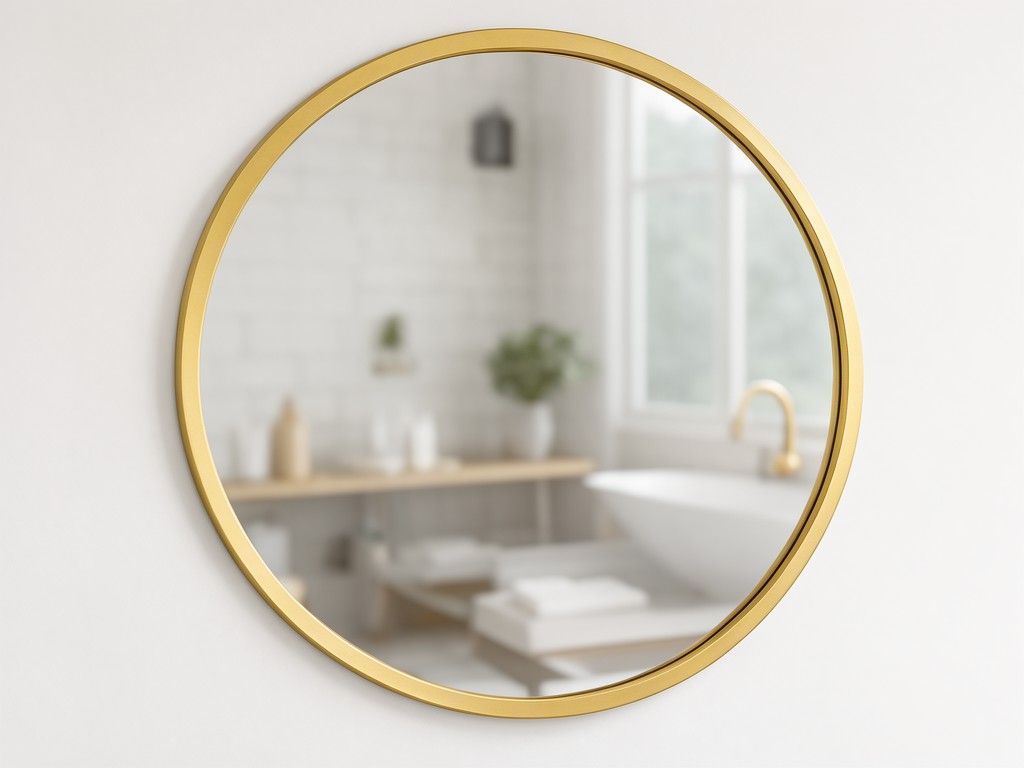
Balance and load analysis shows that standard residential hooks often fail for heavy 36-inch glass mirrors. Many buyers assume the gold finish is a simple paint layer, but actual PVD coatings offer a different molecular bond compared to spray-painted alternatives. Our factory uses vacuum vapor deposition to ensure the gold tone does not shift under repeated cleaning cycles with alkaline agents.
Verify the load-bearing capacity before bulk procurement.
How Consistency Is Held Across Batches
- Spectrophotometer testing of gold-tone variance to ensure Delta E < 2.
- Dimensional tolerance maintained at +/- 1.5mm on the outer diameter.
- Batch-specific silvering density checks to ensure uniform oxidation rates.
- Standardized hardware kits to ensure installation consistency across large orders.
What Gets Checked Before Shipment
Salt spray testing is performed on frame samples to simulate years of exposure to coastal bathroom environments. We also conduct impact tests on the glass substrate to identify internal fractures that occur during the cutting process. Every unit undergoes a visual optical inspection under polarized light to confirm no bubbles exist in the silvering layer.
Final verification includes a mounting bracket torque check for vertical alignment.
Capacity, Tooling and Scheduling
Sample Production
Orders under 500 units require a 30-45 day lead time due to custom frame setup and tooling calibration.
Mass Production
Orders exceeding 2,000 units utilize continuous production lines, reducing lead times to 25 days after approval.
Setup, Use and Replacement Parts
Installation requires heavy-duty anchors to support the weight of the 36-inch glass. We provide replaceable stainless steel brackets that allow for slight level adjustments without damaging the frame. Maintenance involves using non-abrasive cloths and pH-neutral cleaners to preserve the gold PVD layer.
For technical hardware requirements or bulk inquiries, start a project-discussion.