china mirror for 48 inch bathroom vanity supplier - Bulk Supply and Specification Guide
For a 48 inch vanity mirror, the cost decision usually sits between 5 mm float glass with conventional copper-backed silvering and 6 mm glass with copper-free backing. The thinner option saves roughly 2.5 kg per panel and lowers the unit price, but the 6 mm copper-free build resists edge blackening and backing delamination in humid bathroom conditions. Match the specification to the room's ventilation and cleaning cycle rather than the lowest headline price.
Measured Performance in Real Use
Consistency is set at the forming stage. A 48 inch mirror cut from float glass carries roughly 11 to 14 kilograms of glass weight depending on thickness, and variation in the silvering layer appears as uneven reflection or mottling under side lighting. Buyers sourcing for private-label vanity programs should judge sample lots by reflection uniformity at a 45-degree viewing angle and by edge-seal integrity after 72 hours of humidity exposure.
The build method decides how the mirror survives daily cleaning. Conventional silver coating with copper backing can develop black edge corrosion within months if the perimeter seal fails or if ammonia-based cleaners reach the coating. Copper-free silvering removes the copper layer and replaces it with a protective paint system, which slows edge oxidation but adds roughly 5 to 8 percent to the coating cost. For club or academy locker rooms where towels, sweat, and cleaning chemicals contact the glass daily, the copper-free option usually pays for itself in reduced replacement claims.
Process choice shows up later as breakage rate during handling and installation. Edge finishing—flat polish, pencil polish, or bevel—determines whether installers can safely grip the panel and whether the edge chips when it meets the vanity back panel. A flat-polished 6 mm panel with a sealed backboard is the default for bulk vanity programs because it balances installation safety with freight density.
Size, Weight and Specification Range
Specification ranges below reflect common production bands for 48 inch vanity panels. Actual weight varies with backing board, frame, and packaging.
| Usage Level | Glass Thickness | Backing System | Edge Finish | Approx. Packed Weight |
|---|---|---|---|---|
| Light duty – residential guest bath | 5 mm | Conventional copper-backed silver | Flat polish | 12–14 kg |
| Medium duty – hotel and multi-family | 6 mm | Copper-free silver with paint backing | Pencil polish | 14–16 kg |
| Heavy duty – club and academy locker rooms | 6 mm | Copper-free silver with sealed backboard | Bevel or safety edge | 16–18 kg |
Comparing Two Standard Configurations
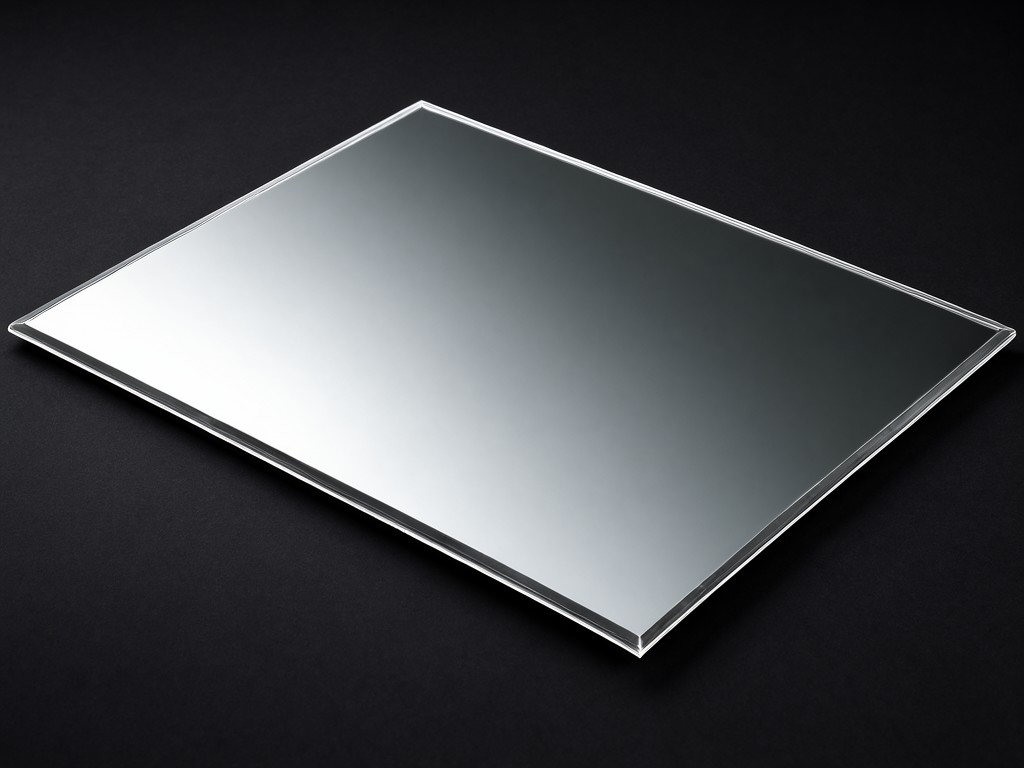
Configuration choice affects freight cost, installation time, and the rate of edge-damage claims. The two builds below represent the standard split in most private-label vanity programs.
Configuration A: 5 mm conventional silver, frameless
Lower unit weight and freight cost per panel. The conventional copper-backed silvering suits dry or well-ventilated bathrooms where cleaning is mild. Edge exposure is higher without a backboard, so perimeter sealing at installation is critical.
Suits residential guest bathrooms and powder rooms with low cleaning frequency.
Configuration B: 6 mm copper-free silver, backboard
Heavier panel at roughly 14 to 16 kg packed, but the copper-free backing resists edge blackening in steam and the sealed backboard blocks moisture at the perimeter. The 6 mm thickness reduces flex during handling and installation.
Suits hotel bathrooms, multi-family units, and club or academy locker rooms.
Buying Mistakes That Lead to Returns
Returns in vanity mirror programs usually trace back to three specification mismatches between the ordered mirror and the installed cabinet. The pattern repeats across private-label runs when buyers prioritize unit price over edge sealing and dimensional fit.
- Ordering 5 mm glass with conventional backing for a high-humidity locker room, then rejecting panels when black edge corrosion appears after the first cleaning cycle.
- Accepting a dimensional tolerance of +/- 3 mm on a 48 inch panel and discovering the mirror does not align with pre-drilled vanity back-panel brackets.
- Skipping the backboard or edge seal on frameless panels, which lets moisture penetrate the silver layer from the perimeter.
- Choosing the lowest freight quote without corner protectors and interlayer sheets leads to edge chips that surface only at installation.
What Can Be Customised and What Cannot
Glass thickness, edge profile, backing paint color, and custom cutouts for faucet cutouts or lighting channels can be adjusted to match an existing vanity tooling. What cannot be changed without new tooling is the overall panel envelope if the buyer wants to keep the same packaging and cabinet fit, and the silvering chemistry if the factory line is set to conventional copper-backed production. A private-label buyer should confirm whether the mirror ships with pre-drilled mounting holes or as a blank panel, because drilling after silvering risks coating delamination around the hole edge.
Export Packaging and Handling Protection
Export cartons for 48 inch mirrors typically use triple-wall corrugated with EPE foam wrapping and plastic interlayer sheets between panels. Corner protectors are mandatory because edge damage is the most common claim, and the failure usually appears as a chip that runs into the silver layer under cleaning pressure. Pallet configuration should keep panels vertical with restraint straps, not flat-stacked, to prevent shear stress on the glass edge during ocean freight. Batch labels and private-label cartons can be added at the packing station, but the buyer must approve artwork before the first production run.
Questions Buyers Ask Before Ordering
Can the mirror be cut to a custom height for an existing 48 inch vanity cabinet?
Yes. The panel can be cut to a custom height within the 48 inch width envelope, but the new dimension changes the packed weight and may require updated carton sizing. Confirm the cutout and edge finish before the first production run.
Does copper-free backing add meaningful life in a steamy bathroom?
It removes the copper layer that drives black edge corrosion when the perimeter seal is breached. In steam-heavy club or academy bathrooms with daily cleaning, the added coating cost usually offsets within one replacement cycle.
What is the standard edge finish for bulk vanity orders?
Flat polish is the default for frameless 5 mm and 6 mm panels. Pencil polish or bevel is available on 6 mm glass and changes the edge profile and installer grip, but it also changes the carton cube slightly.
How are panels packed to prevent edge damage in LCL shipments?
Panels are wrapped in EPE foam, separated by plastic interlayer sheets, and packed with corner protectors in triple-wall cartons. Pallets keep panels vertical with restraint straps rather than flat-stacked.
Ready to review tooling for a private-label 48 inch vanity mirror? Send your current specification or sample dimensions for a tooling and packaging review.
Submit tooling review request