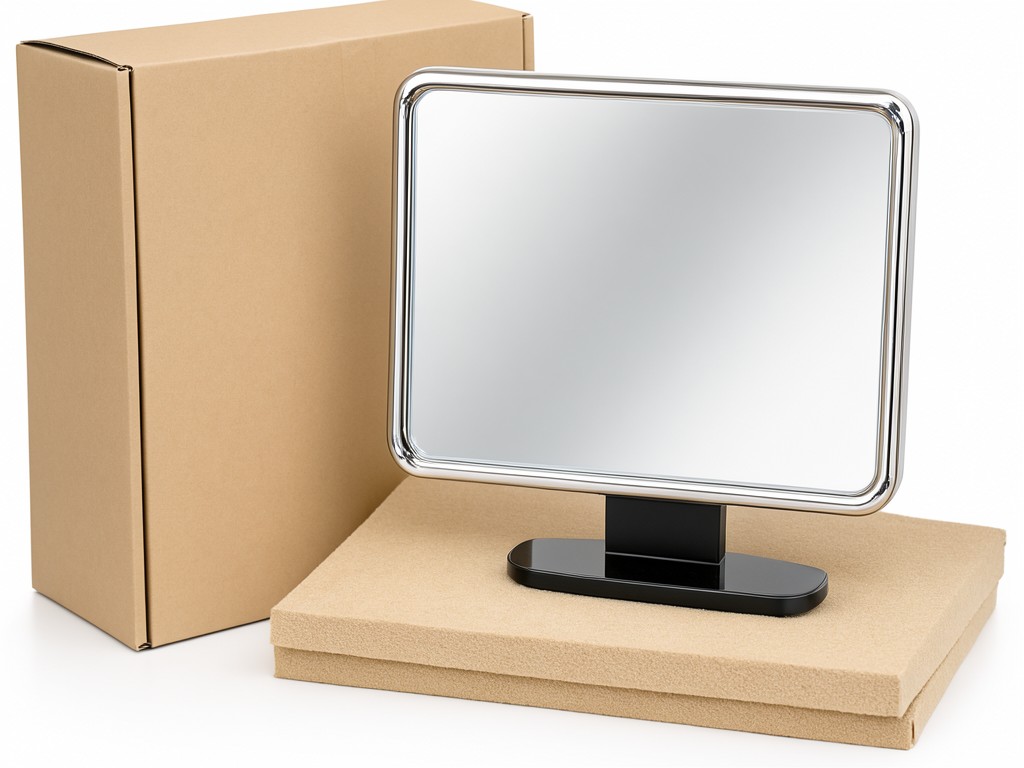
Specifying Custom big bedroom mirror for interior designers Supplier for Wholesale and OEM Orders
What This Product Is and Where It Fits
Large-format bedroom mirrors are specified by interior designers for wall mounting above dressers, inside wardrobe doors, or as full-length floor leaners. The base product is silvered float glass, typically 4mm to 6mm thick, with a protective backing and optional frame. Importers and OEM buyers source these in bulk for residential contracts where reflection clarity and edge finish determine whether the order ships clean or comes back damaged.
Glass thickness
4mm, 5mm, 6mm float glass
Backing system
Conventional or copper-free silvering with safety film
Edge finish
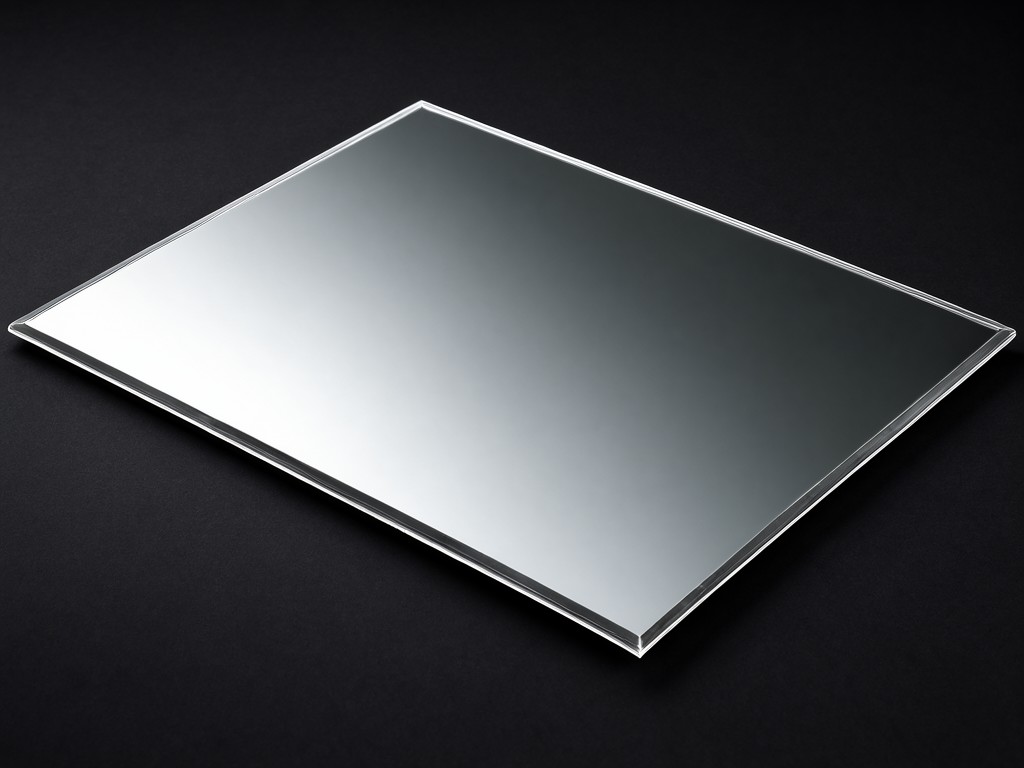
Seamed, polished, or bevelled perimeter
Frame options
Frameless, aluminium extrusions, or wood profiles
Weight scales directly with thickness: 4mm glass carries roughly 10 kg per square metre, while 6mm reaches 15 kg per square metre. That difference changes wall anchor selection, frame gauge, and freight class before a single unit is crated.
The Problem Buyers Keep Paying For
Silvering failure starts at the cut edge where moisture penetrates the backing and attacks the reflective layer. Repeat handling in warehouse storage and site delivery drives edge chipping that shows up as warranty claims weeks after installation. The limiting factor is rarely the headline specification; it is the consistency between lots that determines whether a repeat order clears inspection or stalls at the warehouse.
Buyers report four failure patterns that dominate returns:
- Black edge corrosion appearing within six to twelve months in humid rooms
- Backing film peeling at corners after repeated cleaning
- Visible glass bow at heights over 1600mm when mounted without a frame
- Weight variation between batches that invalidates wall anchor calculations
Each claim erodes margin on the next order. Interior designers stop re-specifying when a mirror arrives with silver bloom at the perimeter, and importers absorb the freight cost of returns that could have been avoided at inspection.
Design Constraints Behind the Specification
Glass thickness sets the floor for wall load, but edge finishing determines how long the silvering survives. Seamed edges are the lowest-cost option, yet they leave the cut surface exposed to humidity at the perimeter. Polished and bevelled edges remove the sharp cut line and reduce the surface area where moisture can attack the backing, at a higher processing cost per linear metre.
Copper-free silvering resists black edge better than conventional copper-backed silvering, particularly in bathrooms or humid bedrooms, but the price gap widens at large formats. Safety backing film holds fragments if the glass breaks, which matters for full-length bedroom mirrors leaning against walls, though it adds 1mm to 2mm of thickness and changes frame rebate depth.
Specification rule: match glass thickness to mounting height, not just frame style. A 6mm mirror at 1800mm height exerts enough flex that a thin aluminium frame will rack over time, while 4mm glass at 900mm height carries little risk of bow.
Flatness tolerance governs whether a full-length mirror looks true or funhouse-distorted. Float glass is nominally flat, but large sheets can hold slight bow from cooling or storage. Buyers judging reflection quality at 1500mm height will reject a sheet with visible curvature, even if the thickness and weight match the specification.
Segment-Specific Requirements
Interior designers specifying for residential contracts need different documentation than importers moving containers or OEM buyers integrating mirrors into furniture lines. The same glass performs differently depending on how it reaches the end user.
| Specification | 4mm float glass | 6mm float glass |
|---|---|---|
| Weight per square metre | ~10 kg | ~15 kg |
| Maximum recommended unframed height | 1200mm | 1800mm |
| Typical frame requirement | Light aluminium or frameless | Reinforced frame or wall cleat |
| Best suited segment | Wardrobe doors, small bedroom panels | Full-length bedroom mirrors, designer walls |
Designers require sample approval for reflection clarity and edge finish before a production run, especially when multiple mirrors will hang in one apartment block. Importers need export packaging rated for vertical storage and corner protection that survives palletising. OEM buyers need pre-drilled mounting holes with consistent hole patterns across lots so the mirror integrates with existing cabinetry without field modification.
Keeping Repeat Orders Supplied
Stock availability depends on float glass lot consistency and silvering line throughput. Lot-to-lot consistency in thickness and flatness prevents rework at the receiving dock, and batch traceability lets a buyer isolate a problem run before it reaches retail or contract installation.
Lead times shift with frame supplier availability and silvering cure time. A reorder placed after the initial design approval should match the first lot within visible tolerances; edge finish drift between lots is the most common reason designers stop re-specifying a supplier. Sample approval before each production run catches coating variation before it becomes a warranty claim.
Request a quotation review
Submit your current mirror specification and failure data for a lot-consistency review.
Start quotation review