best price advanced wall mounted bathroom mirror for sale - Bulk Supply and Specification Guide
What This Product Is and Where It Fits
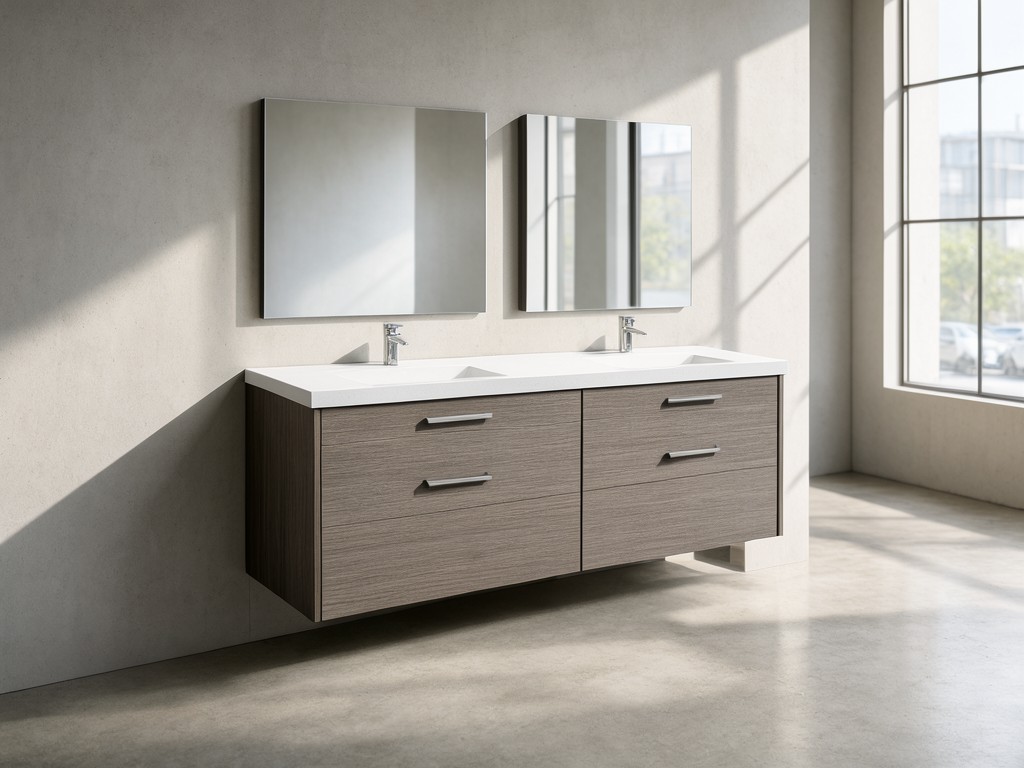
Wall-mounted bathroom mirrors serve as critical fixtures in large-scale hospitality, multi-unit residential developments, and commercial renovations. Unlike decorative-only mirrors, these units are engineered for structural stability and resistance to constant moisture exposure. Procurement officers focus on the dimensional consistency of the mounting hardware and the durability of the glass substrate to ensure low maintenance rates across thousands of units.
Distributors typically categorize these products based on the installation environment—residential-grade versus commercial-duty frames. A commercial-grade specification prioritizes impact resistance and rapid-fastening brackets to reduce labor costs during installation, while residential-focused units may prioritize edge-finish aesthetics and frame material variety.
Design Constraints Behind the Specification
The interface between parts determines the long-term structural integrity of the assembly. When a mirror is wall-mounted, the frame must distribute weight evenly across the mounting points to prevent glass deflection or cracking. A 5mm to 6mm glass thickness is industry standard for large-format mirrors, while smaller units may utilize 4mm glass to reduce weight and shipping costs per pallet.
Moisture ingress at the edges remains the most common failure mode. If the edge is not properly sealed or painted, water vapor leads to black spotting (oxidation) of the silver layer. Specifications must therefore include a protective edge coating or a polished-edge finish to mitigate this risk in bathrooms without mechanical ventilation.
Materials and Construction Trade-offs
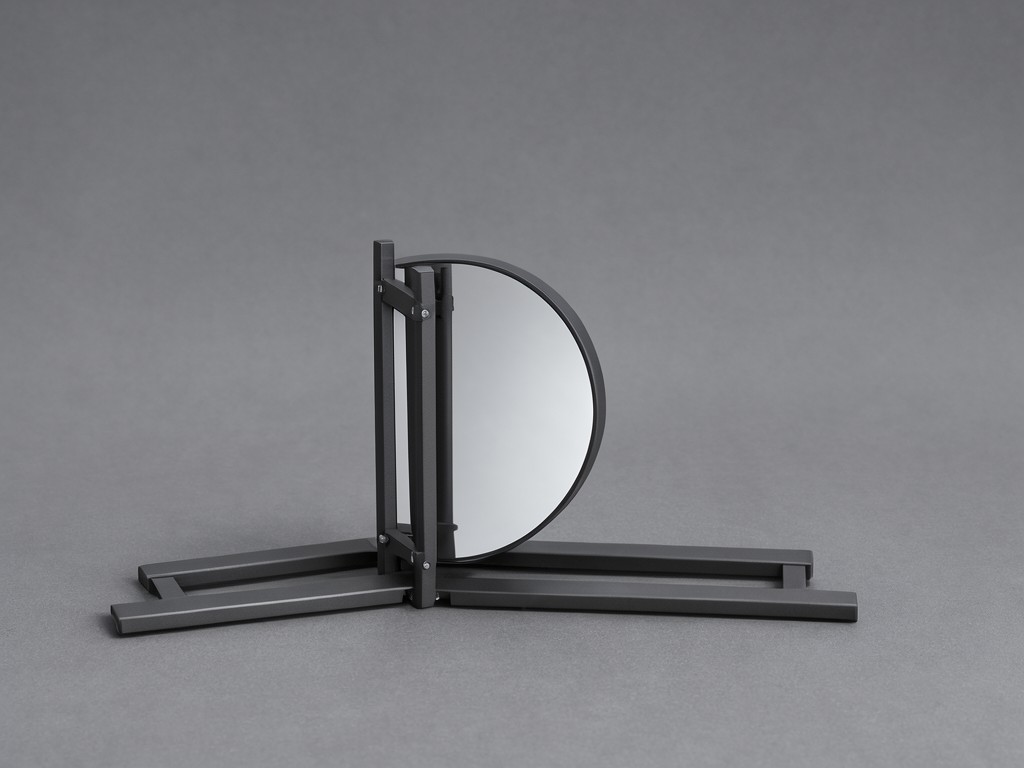
Frame material directly impacts both the price point and service life. Aluminum extrusion offers a high strength-to-weight ratio and inherent corrosion resistance, making it the standard for hospitality projects. PVC-coated frames provide a lower entry price but are susceptible to warping under extreme thermal stress or prolonged UV exposure if installed near large windows.
The choice of glass type also dictates the risk profile. Tempered glass provides superior safety by breaking into small blunt fragments upon impact, but it increases the manufacturing cost significantly. For budget-sensitive projects where impact risk is low, standard annealed glass with a safety film backing is a common alternative.
How It Is Built and What That Changes
Manufacturing begins with the silvering process, where a reflective coating is applied to the back of the glass. The quality of this chemical bond determines the clarity and resistance to peeling. High-volume suppliers often use multi-layer protective paints to prevent the reflective film from delaminating over time.
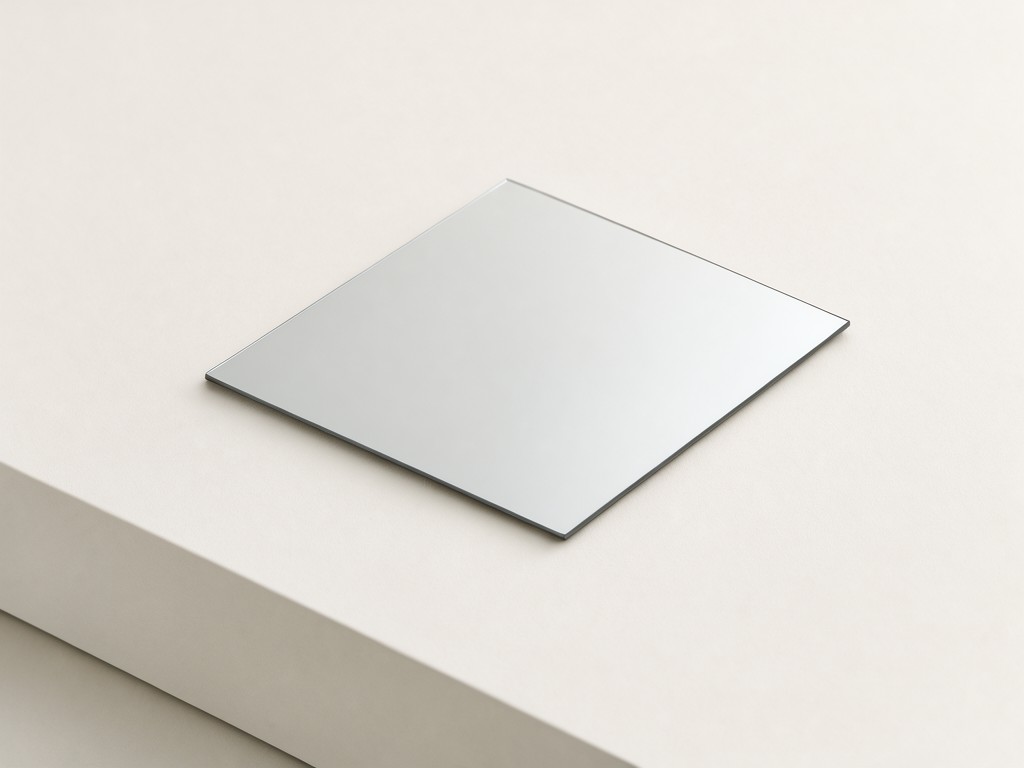
Edge treatment is the final aesthetic and functional step. A beveled edge adds a premium visual element but requires more machining time, increasing unit price. A flat-polished edge is faster to produce and better suited for frameless designs where the edge of the glass itself is the primary visual focus.
Size, Weight and Specification Range
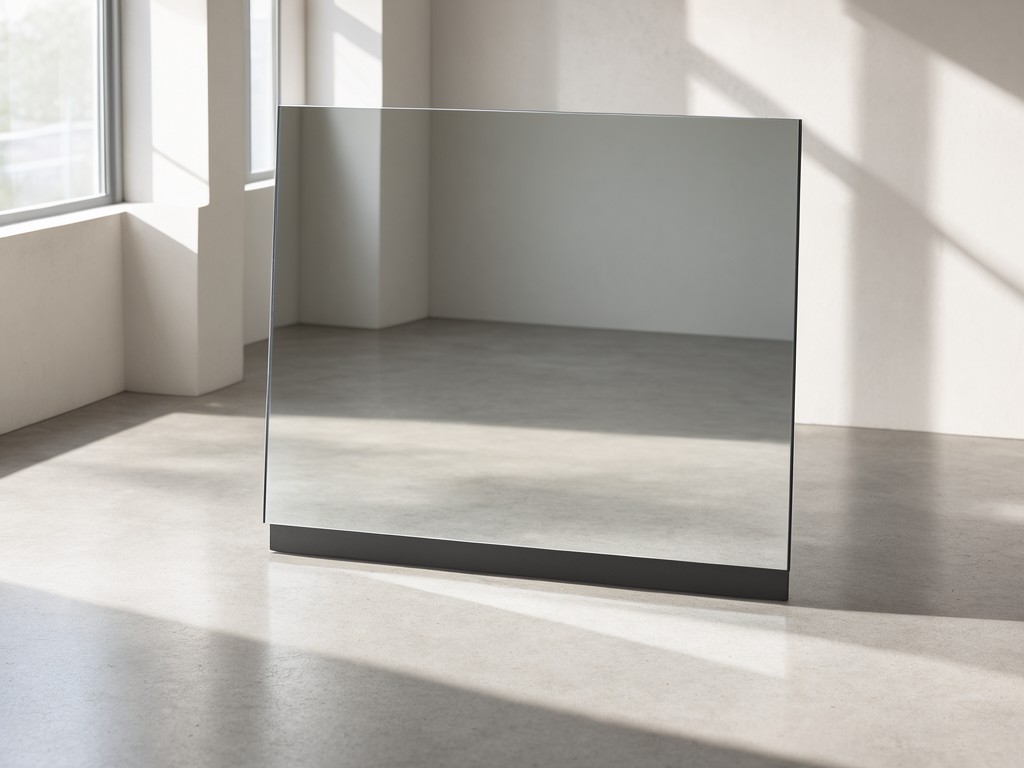
Standard sizing usually ranges from 400x600mm for small vanities to 1200x2000mm for full-body architectural installations. Weight varies linearly with glass thickness; a 800x1000mm mirror at 5mm thickness weighs approximately 10kg, requiring heavy-duty mechanical wall anchors.
| Customization Option | Technical Specification | Impact on Procurement |
|---|---|---|
| Frame Material | Anodized Aluminum, PVC, or Wood | Affects corrosion resistance and weight. |
| Glass Coating | Anti-fog, De-dewging, or Standard | Reduces maintenance complaints in humid zones. |
| Mounting Type | Z-bar, Cleat, or Direct Bracket | Determines installation labor-time. |
| Integration | LED Perimeter, Internal Defster | Increases complexity and electrical requirements. |
Matching the Product to the Buyer's Need
Qualifying a second source requires verifying that the new supplier can match the tolerances of the primary source. Discrepancies in frame thickness or glass-offset can lead to alignment issues during multi-site installations where multiple mirrors are used used in a single corridor.
For private-label buyers, the focus shifts to the finish consistency and branding placement. For wholesale distributors, the priority is the packaging durability to prevent breakage during transit. Discuss specific batch requirements here.
How Consistency Is Held Across Batches
Consistency depends on the factory's internal control loops during the silvering and assembly phases. Using standardized jigs for glass cutting ensures that dimensional variances remain within a +/- 2mm tolerance, which is critical for mirrors that must fit into recessed cabinetry.
Batch-level testing includes salt spray tests for frames and adhesion tests for the mirror mounting hardware. This ensures that the thousandth unit in an order performs identically to the first prototype approved.