b2b small square mirrors for wall exporter - Bulk Supply and Specification Guide
Technical Selection Trade-off:
Selecting 6mm float glass provides the necessary structural rigidity for high-traffic fitness centers to prevent bowing, whereas 4mm acrylic reduces shatter-related liability but introduces optical distortion under tension-based mounting systems.
Where Cheaper Alternatives Fall Short
Low-cost mirrors often utilize thin silvering layers that lack oxidation resistance. In environments like locker rooms or spas, high humidity levels lead to rapid desilvering, where black spots creep from the edges toward the center. This failure occurs because the protective backing lacks a proper moisture-barrier or epoxy-based coating.
Optical distortion is another common complaint with budget-grade square panels. When the glass thickness is inconsistent across the sheet, the resulting reflection creates a "funhouse effect" that undermines professional-grade installations. Commercial-grade units maintain strict dimensional tolerances to ensure a flat reflective plane across the entire surface area of the panel.
How It Is Built and What That Changes
The manufacturing process begins with precision-cut silvered float glass. We apply a multi-layer silver coating followed by a protective copper-based paint. This specific sequence ensures the reflective surface remains stable against the chemical exposure found in industrial cleaning agents.
For export-heavy orders, we offer reinforced edges or polished beveled finishes. A polished edge increases the structural integrity of the glass perimeter against chipping, while a beveled edge provides a premium aesthetic for hospitality-focused applications. The choice of edge affects the final weight and the hardware requirements for secure wall mounting.
Specification Range and Customisation Limits
| Parameter | Standard Specification | Custom Range |
|---|---|---|
| Glass Thickness | 4mm / 6mm | 3mm to 10mm |
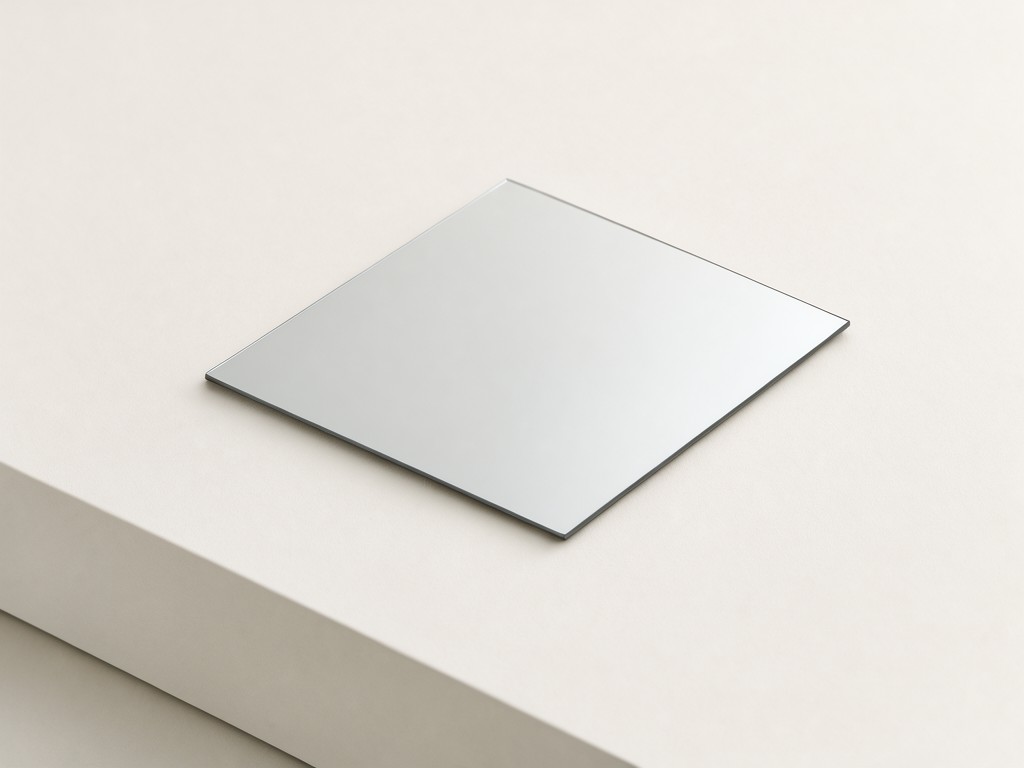
| Standard Size | 300x300mm, 500x500mm | Up to 2000x2000mm |
| Reflectivity | ≥97% | Variable silver-grade |
| Backing Material | PVC / Epoxy | Custom moisture-resistant |
Customisation Options and Their Limits
Frame and Edge Treatments
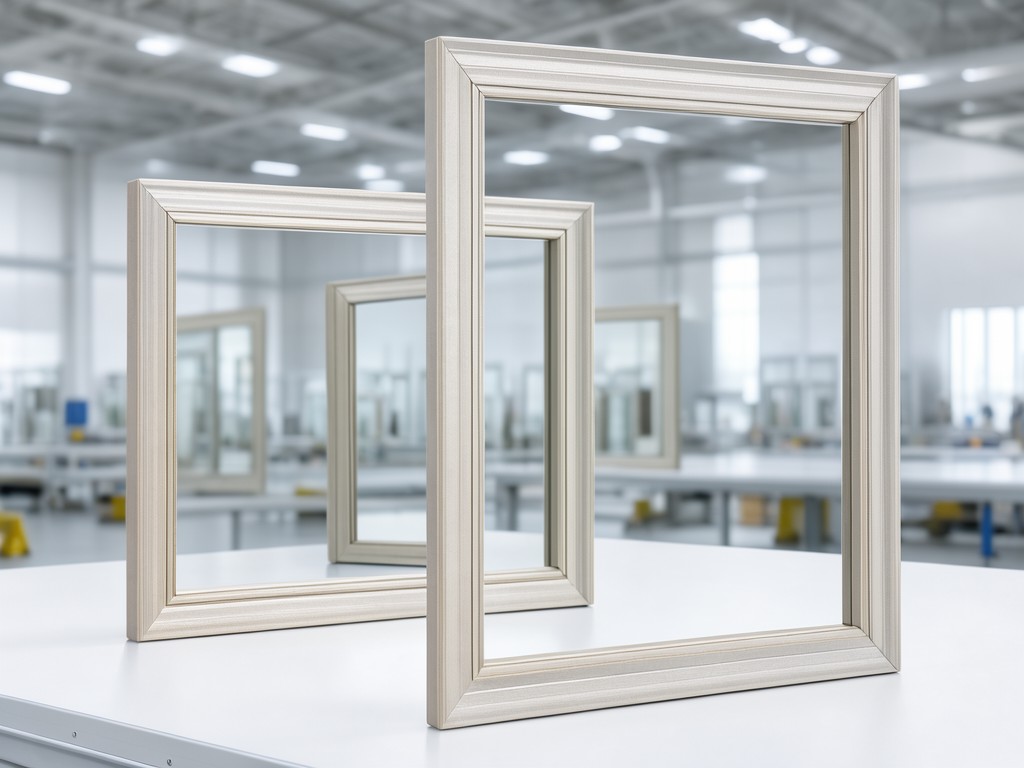
We provide aluminum extrusion frames in powder-coated finishes or entirely frameless options. However, increasing frame width impacts the total weight per unit, which affects shipping costs for export. Square mirrors exceeding 600mm typically require internal bracing to prevent frame sagging during transit.
Branding and Graphics
Logo etching or screen printing can be applied to the rear of the mirror before the final protective coating. This is limited to flat surfaces; curved glass is not compatible with high-precision screen printing due to focal issues during application.
Requirements by Buyer Segment
| Segment | Primary Requirement | Preferred Finish |
|---|---|---|
| Fitness/Gym Chains | Impact Resistance | Frameless Polished |
| Hospitality/Hotels | Optical Clarity | Beveled Edge / Framed |
| Spa/Locker Rooms | Moisture Resistance | Anti-corrosion Backing |
What Gets Checked Before Shipment
Every batch undergoes a dimensional check to ensure squareness remains within a ±1mm tolerance. This is critical for grid-pattern installations. We also perform a visual distortion test to identify any scratches or imperfections in the silvering layer.
For export-grade orders, the salt spray test is conducted on metal frame components to verify resistance against maritime environments. This prevents the hardware from rusting during long-duration ocean freight.
Stock Availability and Reorder Planning
Standard sizes are maintained in rolling inventory to allow for rapid lead times on replacement orders. Custom dimensions or specific frame finishes typically require a 4-6 week lead time depending on current glass sheet production cycles.
Procurement officers should plan reorders 30 days prior to stock depletion to ensure batch consistency across different project installation phases.
Care, Storage and Service Life
Maintenance requires non-abrasive cleaners and soft cloths. Avoid acidic cleaners which can etch the silvering layer over time, leading to permanent surface clouding.
In high-humidity zones, the service life of a standard mirror is typically 10-15 years provided the moisture-barrier backing remains free from mechanical damage.