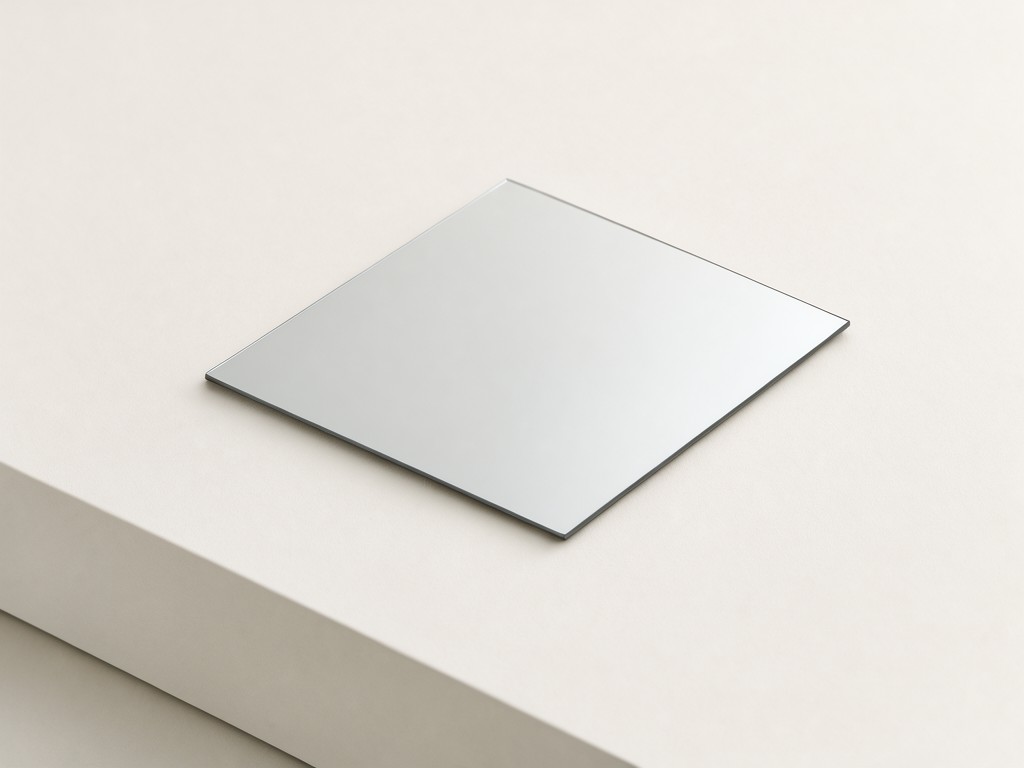
B2B Contemporary Decorative Wall Mirror Top Supplier - Bulk Supply and Specification Guide
Design Constraints Behind the Specification
| Parameter | Technical Range / Option | Commercial Impact |
|---|---|---|
| Glass Thickness | 4mm, 5mm, 6mm | Weight affects shipping freight per unit. |
| Silvering Process | Copper-free anti-oxidation | Prevents black spotting in high-humidity environments. |
| Frame Material | Anodized Aluminum, MDF, Solid Wood | Dictates structural rigidity and retail cost. |
Unit price and service life diverge based on the chemical stability of the backing and the glass substrate. While thinner 4mm glass satisfies standard dry-area retail requirements, it increases the risk of edge chipping during bulk transit if not properly braced. A 6mm substrate provides significantly higher resistance to impact but increases the load on mounting heavy-duty French cleats to prevent wall failure.
The choice of backing material determines the long-term visual clarity. A PVC-coated backing creates a moisture barrier that prevents oxidation of the silvering layer, which is the primary cause of warranty claims in bathroom or coastal hospitality projects.
Specification Range and Customisation Limits
Two suppliers quoting the same specification often differ in the tolerance of the beveled edge. Our production maintains a bevel width range of 10mm to 50mm with a tolerance of +/-0.5mm, ensuring visual consistency across a large-scale installation for a hotel lobby.
Frame Geometry Constraints
Frame depth is limited by the structural integrity of the material used. For mirrors exceeding 1200mm in height, we require internal reinforcement to prevent warping of the glass sheet under its own weight. Custom frame profiles are restricted to CNC-machinable geometries to maintain high-production rates without compromising the optical flatness of the mirror surface.
Comparing Two Standard Configurations
Minimalist Urban Profile
- 4mm glass
- 15mm slim-profile aluminum frame
- Hidden-mount hardware
- Ideal for high-turnover retail
Focuses on weight reduction and rapid installation. Lower cost point for residential fitouts.
Premium Architectural Grade
- 6mm tempered glass
- 40mm deep MDF with wood veneer
- Heavy-duty steel cleats
- Designed for luxury hospitality

Prioritizes optical depth and impact resistance. Higher freight cost due to mass density.
Who Uses It and Where It Matters
Unit price settles the question only after evaluating the installation environment. For private-label buyers targeting the residential market, the focus is often on aesthetic variety and ease of shelf-mounting. However, for commercial distributors supplying office developments, the durability of the silvering against cleaning agents is the critical metric.
Commercial procurement officers must account for the cost of failure in public spaces. A mirror without a non-corrosive backing will likely fail within 24 months in environments with fluctuating humidity, leading to high replacement costs that outweigh the initial unit savings.
What Gets Checked Before Shipment
| Protocol | Methodology | Pass Criteria |
|---|---|---|
| Optical Clarity | Visual inspection under LED light | No visible distortion or streaks |
| Edge Integrity | Tactile check | Zero micro-chips or delamination |
| Adhesion Strength | Tape pull test | No separation of glass from frame |
Volume Planning and Lead Time
Bulk orders require a lead time that accounts for glass-cutting cycle times. For orders under 500 units, lead times typically fall within 21-30 days. Large-scale projects requiring 2,000 units necessitate a three-month window to ensure material batch consistency across all mirrors.
Maintaining a raw material inventory of standard glass sizes allows us to reduce lead time for common dimensions, but custom frame profiles add 14 days of tooling time to the total production schedule.
Stock Availability and Reorder Planning
Consistent reordering depends on tracking the failure rate in specific transit routes. We recommend a safety stock of 15% for the highest-moving SKUs to mitigate shipping delays during peak seasons.
To avoid stock-outs, buyers initiate reorders 60 days before current inventory depletion thresholds. This ensures that the silvering batches remain identical, preventing color variance in retail displays.
Ready to review the technical specifications?
Request a formal specification review and quote