OEM big bedroom wall mirror Factory: Specification, Ordering and Quality Notes
Technical Trade-off: Selecting 4mm float glass reduces unit weight by approximately 20% compared to 5mm glass, but increases the probability of optical distortion and structural fracture in large-format mirrors exceeding 150cm in height.
Returns from retail partners often trace back to optical distortion in large-format sheets or premature oxidation at the silvered edges. When glass thickness is insufficient for the span, the material flexes under its own weight, creating a visual warping effect that devalues the bedroom aesthetic. Manufacturing must prioritize the rigidity of the substrate to ensure the reflective surface remains flat across the entire surface area.
Material Options and Their Trade-offs
The choice of glass substrate and silvering process determines the lifespan in humid residential environments. Standard copper-silvering offers high reflectivity but remains vulnerable to moisture-induced black spots if the edges are not properly sealed. Advanced vacuum-metallized coating provides superior resistance to corrosion but increases the raw material cost per square meter.
| Component | Technical Specification | Commercial Impact |
|---|---|---|
| Glass Thickness | 4mm, 5mm, 6mm Float Glass | Thicker glass reduces warping but raises freight. |
| Backing Material | Anti-corrosion MDF or PVC | PVC prevents edge rot in humid zones. |
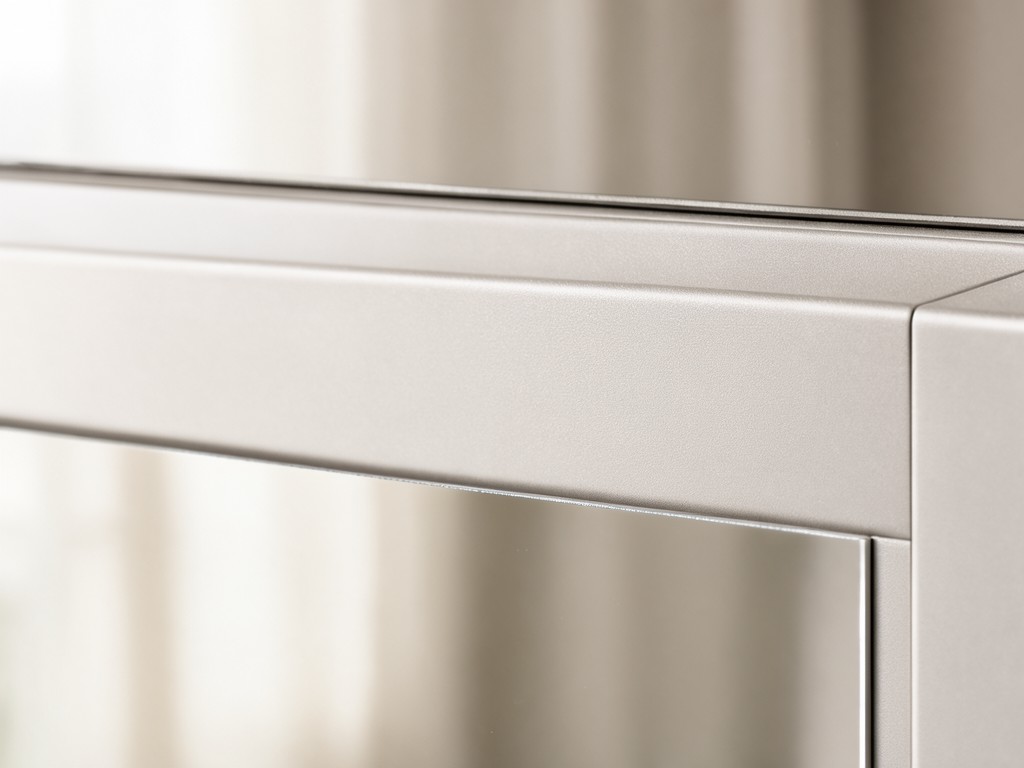
| Frame Material | Aluminium, Solid Wood, PS Foam | Metal offers thinner profiles than wood. |
Assumptions Buyers Should Stop Making
Buyers often assume that standard wall mounting hardware is sufficient for large-format bedroom mirrors. In reality, a mirror exceeding 20kg requires specialized French cleats or multiple heavy-duty anchor points to prevent shear failure of the wall surface. Without specifying the load-bearing capacity of the hardware during the OEM phase, the liability for installation accidents increases significantly.
Another common misconception involves the belief that all edge polishing is identical. Flat-edge polishing is cost-effective but leaves sharp corners, whereas beveled or radius edges are necessary for safety in high-traffic bedroom environments. The price difference reflects the machine time required for precision grinding.
Customisation Options and Their Limits
Customization is limited by the physical properties of the glass sheets and the framing machinery. While custom dimensions are possible, any mirror exceeding 2400mm in any direction requires tempered glass to meet safety standards and prevent catastrophic shattering. This structural change alters the manufacturing process and increases the scrap-rate risk per unit.
Edge and Surface Treatments
- Beveled edges (10mm, 20mm, 30mm) for classic aesthetics.
- Polished flat edges for modern, frameless minimalist designs.
- Antifog coatings for bathroom-adjacent bedroom installations.
Segment-Specific Requirements
Retail-ready mirrors for furniture brands require flat-pack compatibility and individual barcode labeling to manage logistics costs. Conversely, commercial hospitality projects for hotels focus on durability and impact-resistant frames that can withstand frequent cleaning and guest contact. The factory must adjust the assembly line to accommodate these specific packaging and de-branding requirements de-branding de-branding is not applicable here.
Capacity, Tooling and Scheduling
Production cycles are dictated by the availability of glass stock and the complexity of frame molding. Standard sizes allow for rapid batch production with 15-day lead times, while custom-dimensioned oversized orders require 45-60 days due to specialized setup and manual glass-fitting stages.
Export Packaging and Handling Protection
Fragility is the primary cause of transit loss in international shipping. We utilize high-density polyethylene (PE) foam inserts and reinforced cardboard boxes with corner-edge protectors to absorb impact energy. For sea freight, wooden crates with internal timber bracing are mandatory to prevent the frame from twisting and cracking the glass during container handling.
Questions Buyers Ask Before Ordering
What is the tolerance for optical distortion on 2 meter mirrors?
We maintain a maximum deviation of +/-2mm over a 2-meter span using 5mm glass to ensure flat reflection.
Can the factory provide branded logos on the frame?
Yes, laser-engraved or silk-screen logos are applied to the frame surface before the curing process.
Ready to finalize your technical specifications?
Request a Specification Review and Quote






