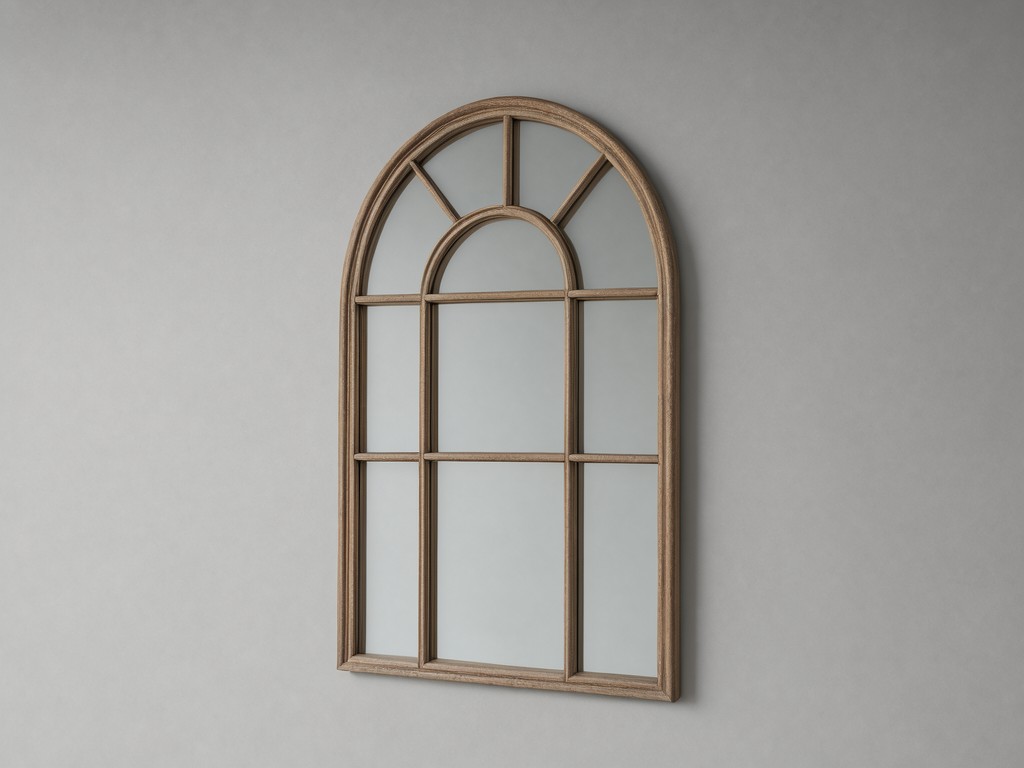
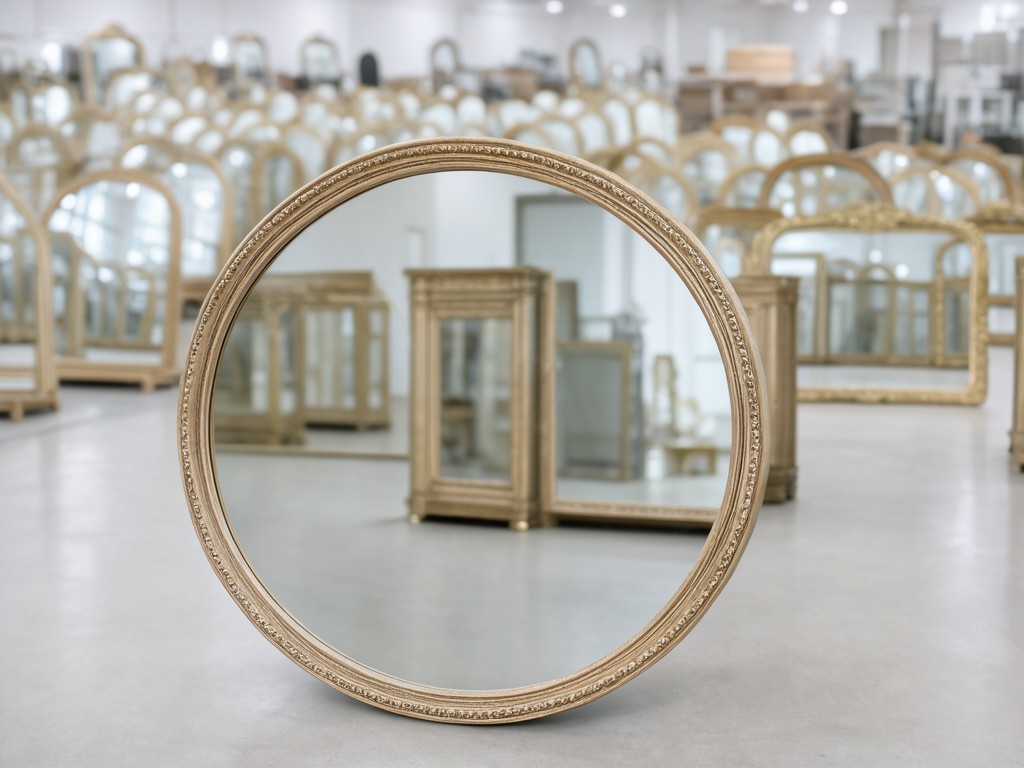
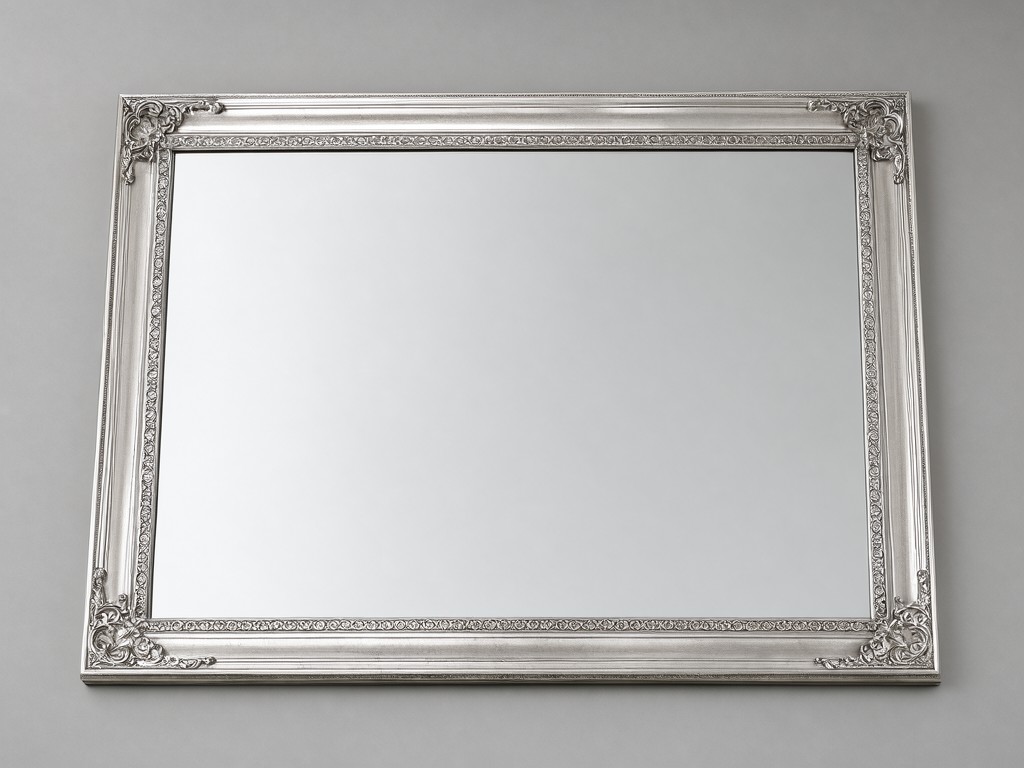
Factory Direct Wall Mounted Decorative Mirror Supplier: What Buyers Should Check Before Ordering
Construction options diverge as soon as weight matters, particularly when selecting between 4mm lightweight glass and 6mm optical-grade float glass. While the 4mm variant reduces shipping costs per unit for large-scale retail, it increases the risk of optical distortion if mounted on uneven wall surfaces. Procurement officers for high-end hospitality often prioritize the 6mm thickness to ensure a flat reflection, despite the increased freight weight and the requirement for more robust mounting hardware. The silvering process also dictates the lifespan of the mirror in high-humidity environments like hotel lobbies or commercial fitness centers.
Cost and durability pull in opposite directions once the mounting hardware is specified for heavy wall types. Standard wire-hang systems often fail under the shear stress of large decorative mirrors, whereas Z-clips or French cleats distribute the load across the entire frame width. Buyers who demand a multi-layer copper coating on the back of the glass find better resistance to black-edge oxidation in damp climates, but this specification typically increases the unit price by 12-15%. Evaluating these technical variables requires looking past the surface finish to the expected service cycle of the end-user.
What This Product Is and Where It Fits
Decorative wall-mounted mirrors serve as functional focal points in commercial environments where aesthetic consistency meets structural requirements. In retail settings, these units must withstand high-frequency handling and frequent cleaning without scratching the frame or degrading the glass. For institutional applications like gyms or wellness studios, the focus shifts to impact resistance and the ease of cleaning the surface to remove residues without affecting the reflective backing.
Retail Grade Specifications
- Impact-resistant safety coatings to prevent shattering.
- Lightweight polymer frames for rapid retail installation.
- Standardized dimensions for modular-ready layouts.
Hospitality Grade Specifications
- 6mm silver-backed glass for zero-distortion.
- Heavy-duty metal cleat mounting systems.
- Anti-oxidation edge finishes for long-term clarity.
Design Constraints Behind the Specification
Material choice starts with the conditions the product will meet, specifically the exposure to moisture and mechanical stress. Mirrors intended for outdoor-facing corridors require moisture-proof silvering to prevent the common failure mode of creeping corrosion at the edges. To mitigate this, the factory utilizes a vacuum-sealing process or a moisture-barrier paint, which adds to the manufacturing lead time but significantly reduces return rates for overseas distributors.
Where This Product Beats Standard Alternatives
Standard mass-produced mirrors often utilize adhesive-based frame attachments that delaminate under thermal fluctuations. Our factory-direct approach employs mechanical fastening with industrial-grade silicone, ensuring the glass remains seated even in environments with significant temperature swings. This construction choice eliminates the primary cause of field failure reported by lower-tier bulk importers.
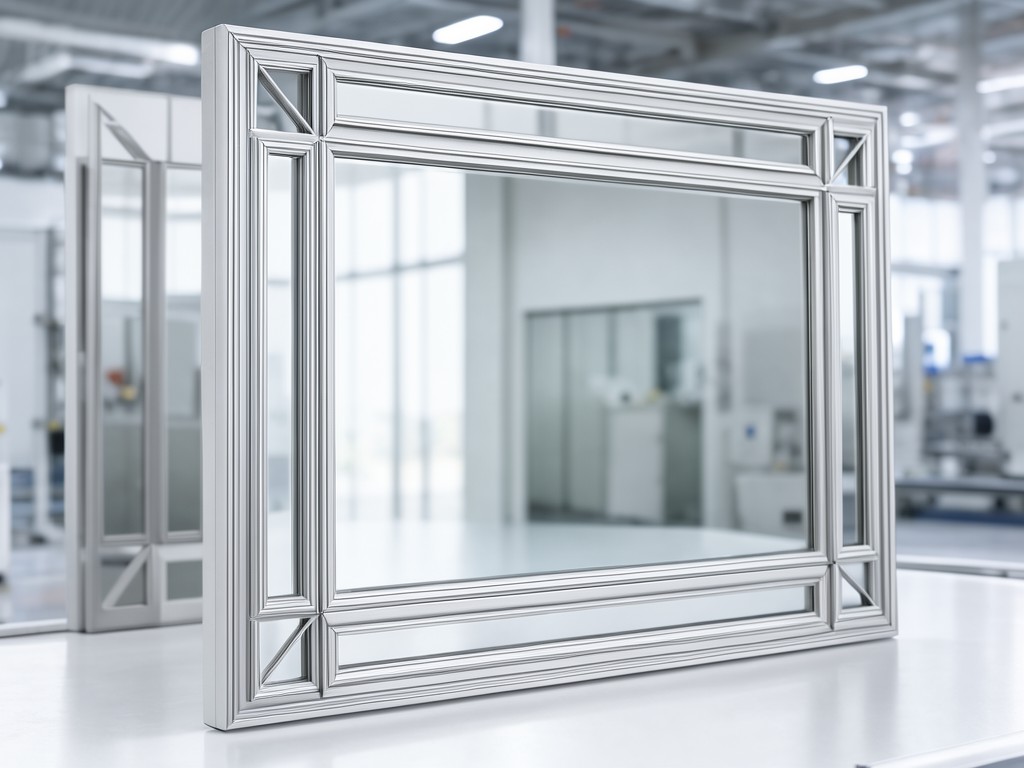
| Test Metric | Standard Import Option | Factory Direct Specification |
|---|---|---|
| Glass Thickness | 4mm Standard | 4mm - 6mm Optional |
| Oxidation Resistance | Basic Silvering | Multi-layer Copper Coating |
| Mounting Method | Single Wire | Reinforced Z-Clip / Cleat |
Segment-Specific Requirements
Institutional buyers require specific packaging configurations to minimize breakage during trans-continental shipping. This includes reinforced corner foam and double-wall-stabilized cardboard inserts that maintain the mirror's integrity under pallet pressure. For club-level purchasing, the focus is often on the durability of the hardware, ensuring mirrors can be reconfigured or moved in high-traffic zones.
OEM and ODM Structure
Customization allows retail brands to integrate proprietary branding directly into the frame or the mirror back-plate. We provide laser-etched logos on the rear-side glass or custom-molded frames that meet specific architectural design- guidelines. The MOQ for custom frame tooling depends on the complexity of the mold, typically starting at 500 units to amortize development costs across the batch.
Stock Availability and Reorder Planning
Maintaining a consistent supply chain requires accurate forecasting of standard sizes versus custom frame requests. By maintaining a buffer of common-dimension glass sizes, we reduce lead times for retail reorders to under 14 days. For bespoke ODM projects, a 45-60 day window is standard to account for material curing and quality inspection cycles.
Request a technical specification-review for your next order.