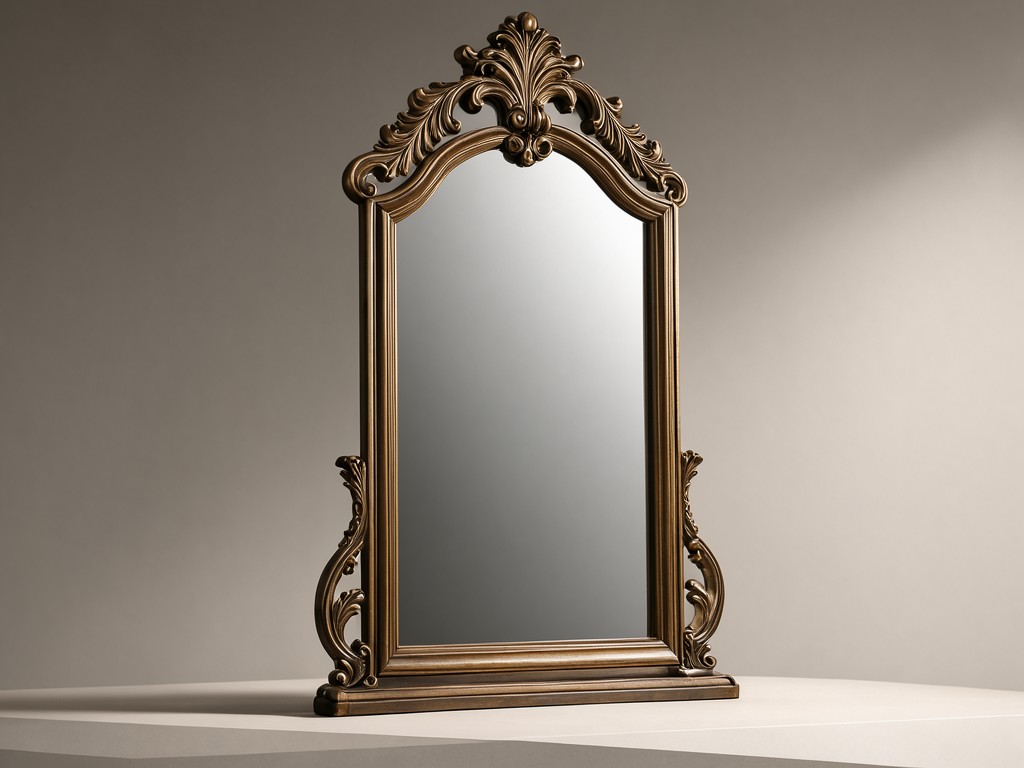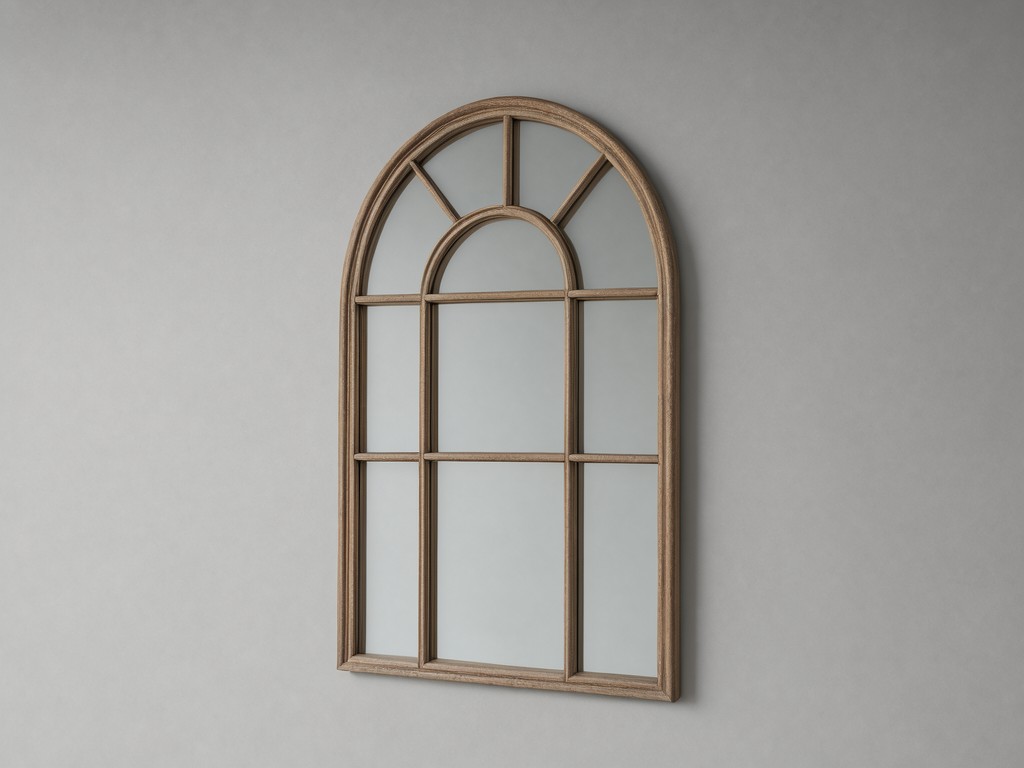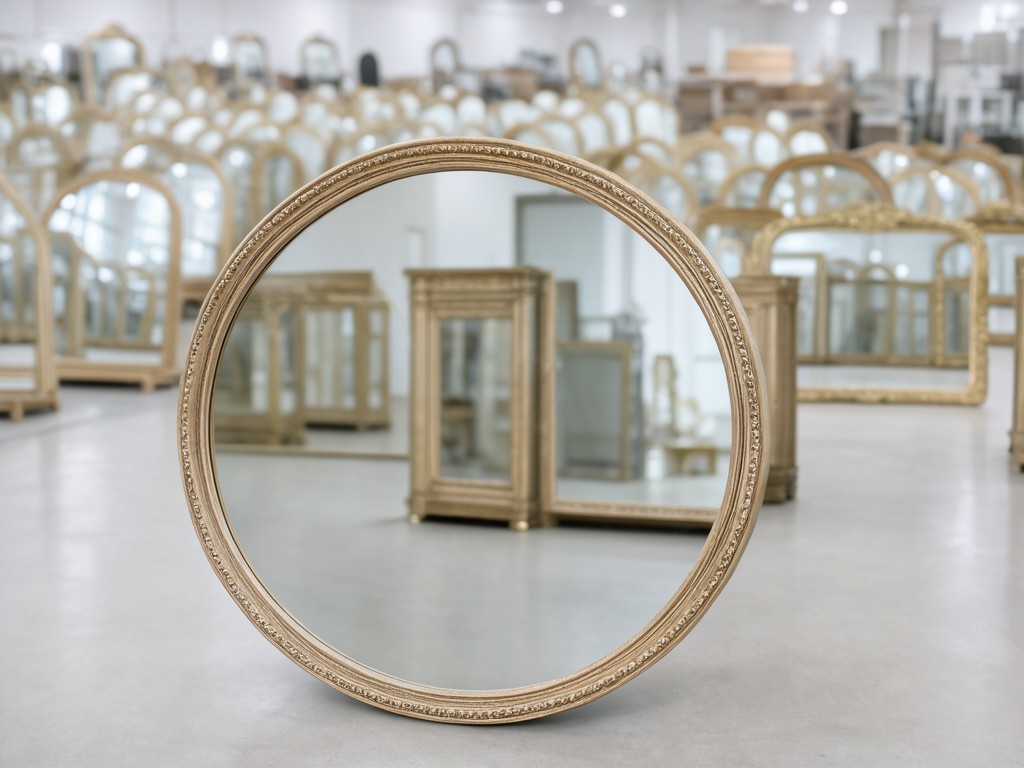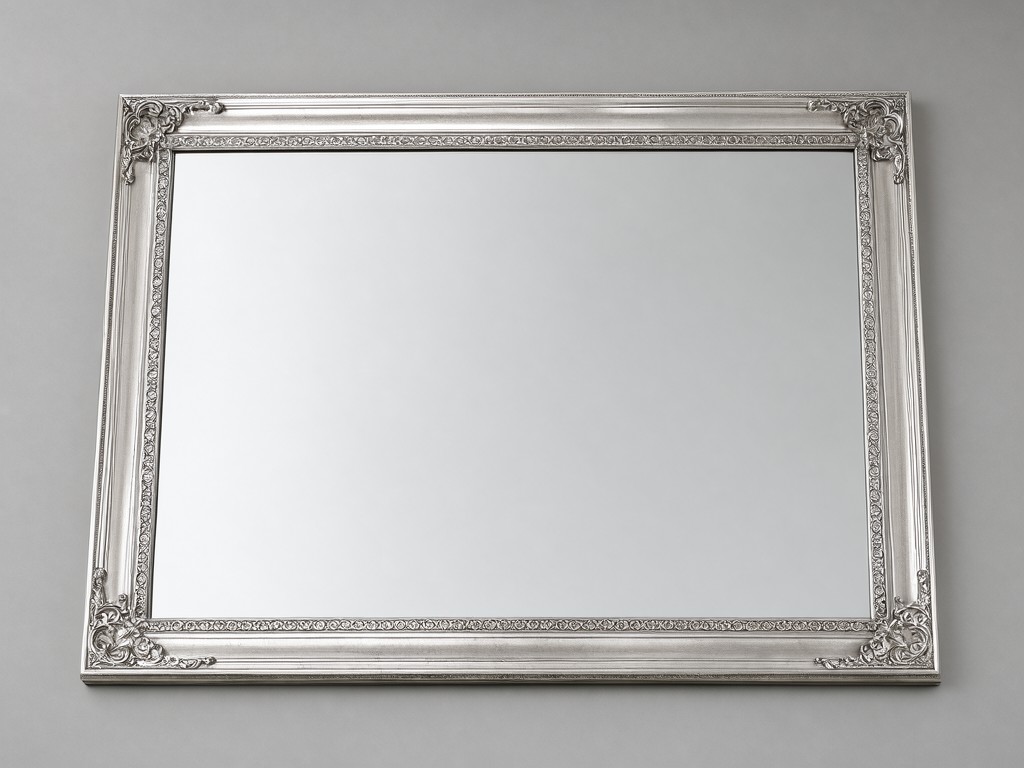
Direct Factory Modern Framed Bathroom Mirrors Exporter: Specification, Ordering and Quality Notes
Before comparing quotations, confirm the glass thickness and silvering method because they determine warranty exposure in wet rooms. Standard silvered glass develops black edges when moisture penetrates the coating, and the failure usually starts at the bevel or drilled hole. A copper-free silvering layer plus a moisture-resistant backboard removes most of that risk. The decision rule is to match the backing to the room. Powder-coated aluminum or PVC-foiled MDF fits bathrooms; standard MDF fits dry powder rooms only.
Unit price and service life diverge once freight damage and replacement mirrors are counted. A 6 mm mirror weighs roughly 15 kg per square metre, so carton collapse or corner impact turns a cheap shipment into a claim. Foam corners and double-wall carton add roughly $2-4 per unit and are the usual difference between an acceptable LCL arrival and a damage claim. Compare total landed cost, not the ex-works price alone.
Scope of Supply and Physical Form
A standard shipment includes the mirror glass, the frame, a backboard, and mounting cleats or keyhole slots. Sizes typically run from 400 x 600 mm to 1200 x 900 mm, with glass thickness of 4 mm, 5 mm, or 6 mm. Frame width is usually 20 mm to 40 mm depending on the profile. Units are packed for portrait or landscape hanging, and the backboard carries the batch code for traceability.
Buyers most often reject units for edge chipping, frame joint gaps, or mirror shift inside the frame after wall mounting. A frame that relies on adhesive alone will shift under the glass weight over time; a clip-and-cleat system holds the glass position but costs more in tooling. Specify the mounting hardware in the purchase order rather than accepting whatever the line has on hand.
Material Options and Their Trade-offs
Frame material sets the weight and the corrosion behavior. Aluminum carries the glass with less dead load; MDF costs less to tool but swells if its edge seal is broken during fitting.
Anodized Aluminum Frame
Lightweight and corrosion-resistant with 15-25 microns of anodic film. Suitable for direct bathroom exposure. Higher tooling cost for custom profiles.
Moisture-Resistant MDF with PVC Foil
Heavier than aluminum; foil seals the core against humidity. Lower tooling cost but the edge can swell if the seal is cut during fitting.
Construction Method and Its Effect on Consistency
Frames are cut to length, mitred at 45 degrees, and joined with screws or corner brackets before the glass is seated. The glass is then clipped or bonded, and the backboard is fixed with staples or adhesive. Miter gap tolerance and adhesive cure time determine whether a batch arrives square or with visible joints.
Mirror shift is the common field complaint: the glass rests on adhesive that has not fully cured, so it slides after hanging. A mechanical clip removes that variable but adds assembly seconds per unit. Factory inspection checks diagonal measurement within ±2 mm and glass adhesion before the unit is packed.
Specification Range and Customisation Limits
| Parameter | Standard Range | Custom Option | Tolerance / Note |
|---|---|---|---|
| Glass thickness | 4 mm, 5 mm, 6 mm | 8 mm for large panels | ±0.2 mm |
| Frame width | 20 mm - 40 mm | Up to 60 mm | ±0.5 mm |
| Size | 400 x 600 mm to 1200 x 900 mm | Oversize up to 1500 x 1000 mm | ±1 mm |
| Edge finish | Flat polish, pencil edge | 12 mm or 25 mm bevel | Bevel adds weight |
| Backboard | 3 mm MDF | 5 mm moisture-resistant MDF | Required for bathrooms |
| Mounting | Keyhole slot, D-ring | French cleat | Rated by glass weight |
| Silvering | Standard copper-backed | Copper-free | Specify for humid zones |
Custom sizes beyond 1200 x 900 mm require thicker glass and a stiffer frame, which changes the freight class and the number of units per pallet. Tooling for a new frame profile runs to a separate MOQ and should be approved before the first production batch.
Packing, Marking and Freight Configuration
| Order Type | MOQ | Lead Time | Packing Mode | Marking |
|---|---|---|---|---|
| Sample | 1 pc per size | 7 - 10 days | Single carton, foam corners | Sample label |
| Trial batch | 50 pcs per size | 25 - 30 days | Carton, foam corners, shrink wrap | Batch code, PO number |
| Production batch | 200 pcs mixed sizes | 30 - 45 days | Carton on pallet, cardboard edge protectors | Country of origin, carton label |
| LCL consolidation | 1 pallet minimum | 35 - 50 days port to port | Palletized, heat-treated wood or all-cardboard | Shipping mark, consignee |
Carton marking includes the batch code so a warranty claim can be traced to the silvering line and frame supplier. Pallets are wrapped and corner-protected; glass is never stacked face-to-face without separator paper. Confirm the unloading method at destination because mirrors over 6 mm need mechanical handling.
Tooling Review for Custom Frame Profiles
Send your frame drawing and target unit cost for a tooling quote. The review covers profile die cost, sample lead time, and the MOQ that sets the price break.
Request tooling review