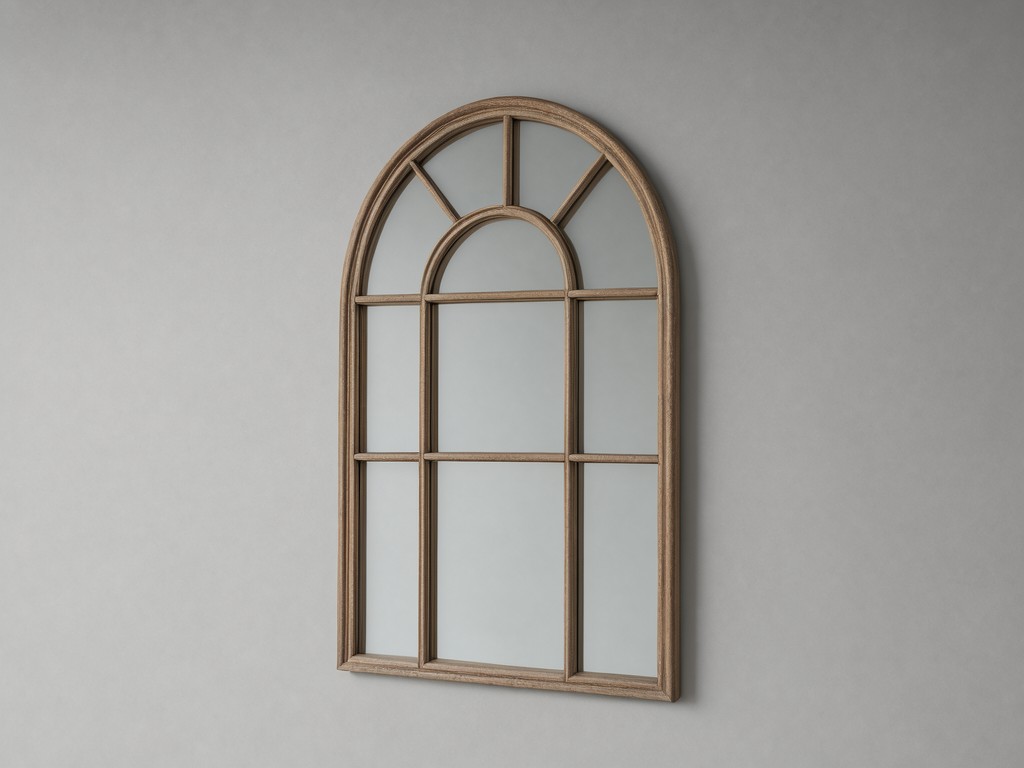
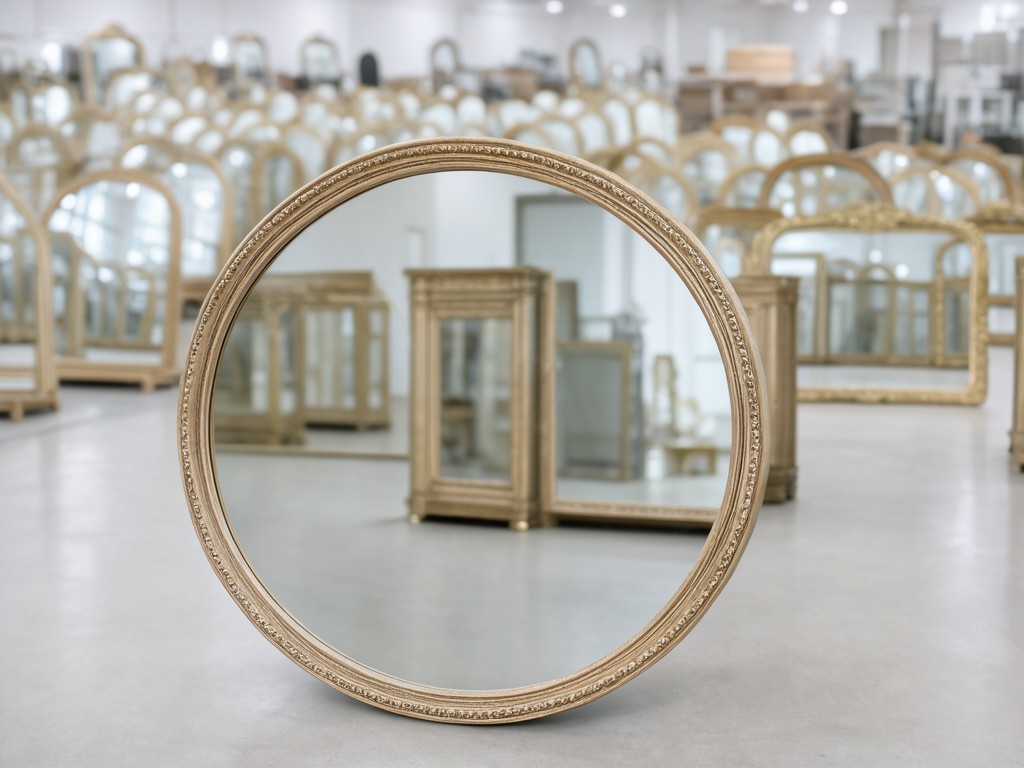
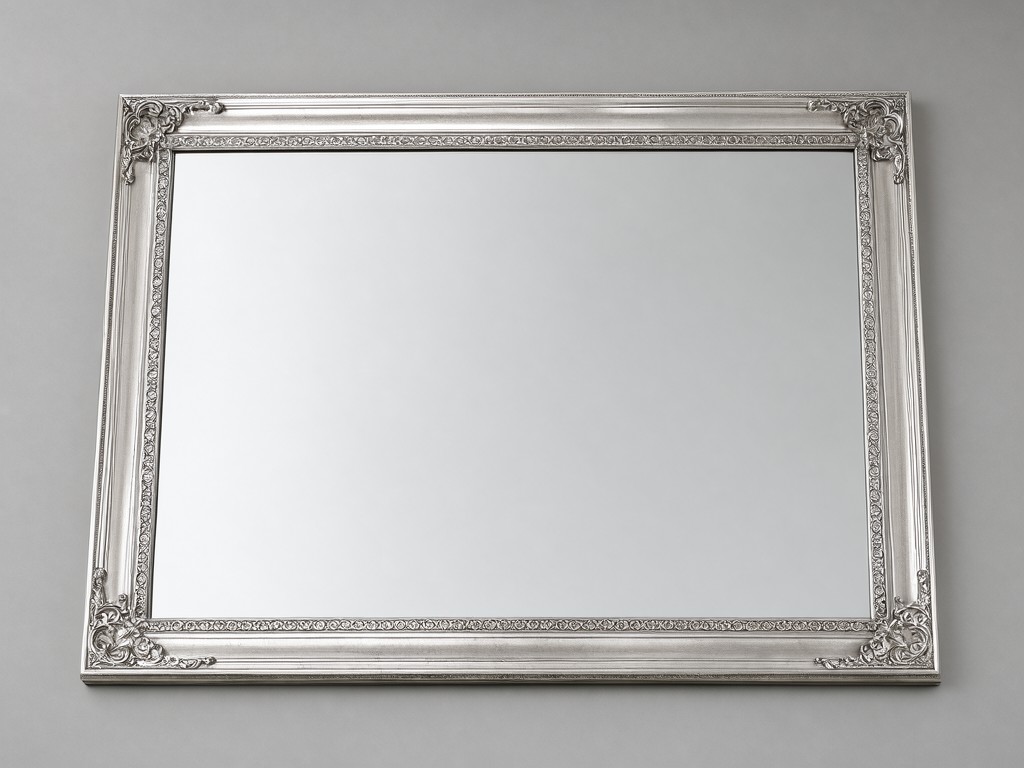
direct factory vintage etched hanging wall mirror Company: Specification, Ordering and Quality Notes
What This Product Is and Where It Fits
| Parameter | Technical Specification |
|---|---|
| Glass Substrate | 4mm or 6mm floated silvered glass |
| Etching Method | Precision acid-etching or CNC-sandblasting |
| Frame Material | High-density MDF, solid wood, or extruded aluminum |
| Backing & Hardware | Moisture-resistant MDF backing; D-ring or French cleat |
Replacement rate, not unit price, dictates the true margin for wholesale buyers in the decor sector. These mirrors are designed for high-volume hospitality and retail environments where visual consistency across hundreds of units is non-negotiable. The etching process integrated directly into the glass surface before the silvering stage, which prevents the "peeling" effect common in surface-printed alternatives.
Total cost of ownership shifts once returns are counted. In large-scale retail orders, lower-grade etched mirrors often utilize 3mm glass, which is prone to optical distortion and fracture during de-format handling. Our factory standard utilizes 6mm substrate to ensure the reflective plane remains flat across large-format vintage designs.
Where Cheaper Alternatives Fall Short
Budget-tier mirrors frequently fail at the silvering-edge interface. In high-humidity environments, moisture penetrates poorly sealed glass edges, leading to black oxidation spots that spread from the perimeter inward. We employ a multi-layer epoxy sealant coating that acts as a barrier against atmospheric corrosion and moisture ingress.
Frame joint failure is another common complaint in mass-produced units. Cheap frames often use simple glue-based miter joints that pull apart under the weight of the glass. Our production frames utilize internal corner reinforcements and mechanical adhesive bonding to maintain a 90-degree square over years of service life.
Where This Product Beats Standard Alternatives
Standard Retail Grade
- 3mm thin glass prone to warping
- Surface-applied decals that peel over time
- Unreinforced plastic or thin wood frames
- Standard hardware with high breakage risk

Factory Direct Grade
- 6mm impact-stabilized silvered glass
- Permanent acid-etched depth
- Reinforced miter joints with mechanical fasteners
- Industrial-grade mounting hardware
Comparing Two Standard Configurations
Choosing between 4mm and 6mm glass thickness involves balancing weight-sensitive shipping against durability requirements. The 4mm configuration is suitable for residential applications where weight is a concern, whereas the 6mm option is the specification for commercial corridors and high-traffic zones where impact is likely.
Etching density also varies by client need. Sandblasted designs offer a frosted, tactile feel suitable for modern-vintage aesthetics, while acid-etching provides a sharper, more delicate finish that is better suited for high-end boutique reproduction of historical architectural patterns.
Customisation Options and Their Limits
Custom patterns are limited by the resolution of the etching-masking film. While we can replicate intricate filigree, the depth is typically maintained between 0.1mm and 0.5mm to ensure the structural integrity of the glass substrate.
Frame finishes include powder coating, metallic leafing, and wood staining. Note that metallic leaf finishes require specific handling during transit to prevent abrasion of the thin layer, which necessitates specialized protective packaging for those specific variants.
How Consistency Is Held Across Batches
Quality Control Protocol
Tooling amortisation decides the precision of the etching depth. We use CNC-controlled templates to ensure pattern depth remains within +/- 0.2mm across the batch. Every batch undergoes a dimensional check to ensure frame-to-glass tolerances remain within a 1.5mm variance.
Salt spray testing is performed on sample silvering edges to verify the oxidation-resistance of the protective coating. This ensures that mirrors shipped to coastal regions do not develop premature black spotting within the first twelve months of installation.
Volume Planning and Lead Time
Standard production cycles for orders over 500 units range from 30 to 45 days. For orders exceeding 2,000 units, lead times extend to account for glass-aging processes and specific curing times for specialized frame finishes.
Reliable supply is maintained through a tiered inventory of raw glass and common frame components. This buffer allows us to absorb sudden demand spikes without compromising the delivery schedule, even during global material market fluctuations.
Ready to discuss your specific project requirements?
Contact us for a project-discussion