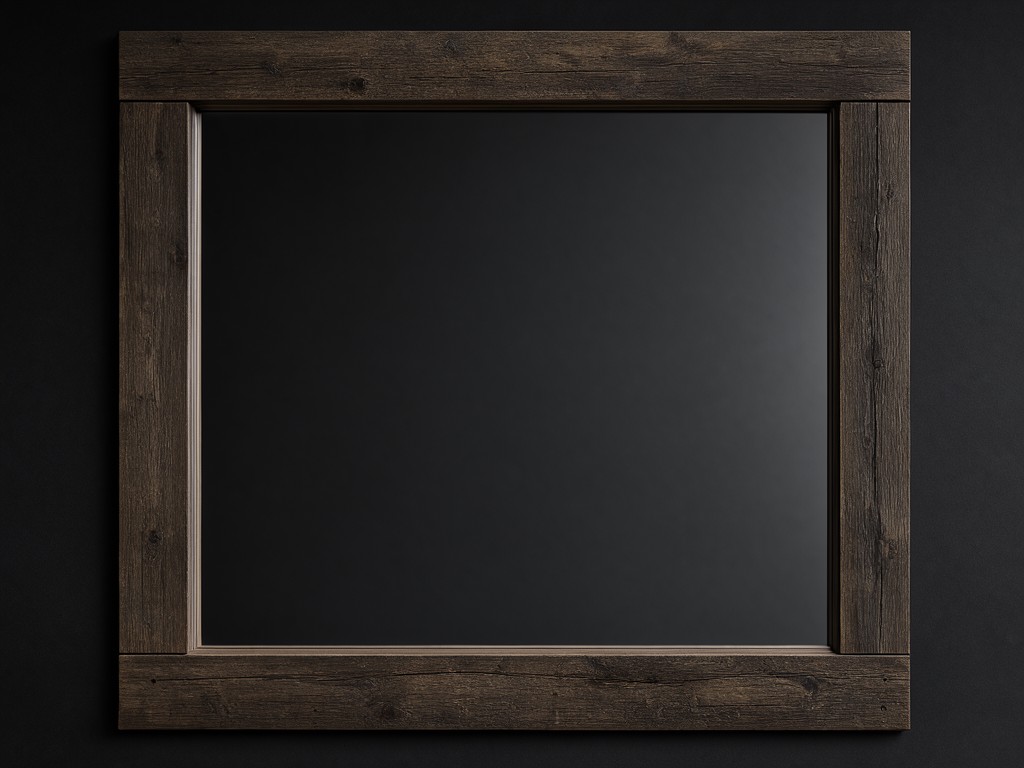
direct factory rustic wood framed mirrors Company: Specification, Ordering and Quality Notes
The complaint that repeats across reorders often involves the expansion of the wood frame against the rigid glass substrate. When rustic wood is not properly stabilized for bathroom environments, fluctuating humidity leads to frame pressure that cracks the mirror edges or causes the adhesive bond to fail. We mitigate this by controlling the moisture content of the timber to an 8-12% range before assembly begins, ensuring the dimensions remain stable in high-humidity zones.
Technical Note: Expansion Gaps
Rustic wood frames require a 3mm expansion gap between the glass edge and the frame rabb. This tolerance allows the wood to swell and contract without transferring mechanical stress to the silvered glass.What Actually Determines Performance
Performance in a bathroom setting is judged by the quality of the silvering and the density of the wood finish. Standard-grade silvering often oxidizes when exposed to steam vapor, resulting in black spots along the perimeter. Our factory utilizes a multi-layer copper-silver process with a moisture-resistant barrier coating to prevent this chemical degradation.
The wood species also dictates the longevity of the rustic aesthetic. Softwoods like reclaimed pine or cedar offer the desired distressed look but are more prone to checking if not kiln-dried. For high-turnover contracts, we recommend kiln-dried hardwoods that resist warping and deep-seated structural cracks over a five-year service life.
How It Is Built and What That Changes
Construction focuses on the joinery used to hold the frame corners. While mitered joints are common in mass-market furniture, we utilize reinforced mortise-and-tenon joints or dowels for rustic frames. This increases the surface area for glue application, making the corners resistant to pulling apart during thermal shifts.
The rustic finish is applied through mechanical distressing followed by a deep-penetrating sealant. Unlike surface-level waxes that peel when the wood breathes, a penetrating oil bonds with the fibers. This prevents the "flaking" effect often reported in cheaper rustic imports after repeated bathroom cleaning.
Matching the Product to the Buyer's Need
Selecting the right configuration depends on the specific retail environment and the price point of the end-user.
-
Is the installation in a high-steam zone?
- If yes: Select moisture-treated hardwoods with a polyurethane-based finish to prevent water absorption.
- If no: Reclaimed wood or distressed pine provides a more cost-effective rustic aesthetic.
-
What is the required impact resistance?
- Premium: Use solid-wood frames with 20mm thickness for maximum impact absorption.
- Value: Use MDF-core with a high-definition wood veneer to reduce shipping weight and cost potential.
Who Uses It and Where It Matters
Hospitality buyers for boutique hotels prioritize visual consistency across hundreds of units. In these scenarios, a drift in the wood grain pattern or stain shade between batches can lead to project rejection. We provide batch-matching services to ensure that the "rustic" variation remains within a specific tolerance range across the entire production run.
Retail distributors focus on the weight-to-value ratio. For these buyers, we offer lightweight frame constructions that maintain the appearance of solid timber while reducing the logistics costs associated with high-volume sea container shipments.
Quality Control and Batch Consistency
Wear shows up at the same point every season when the hardware is not standardized. We use zinc-plated steel mounting brackets across all orders to prevent rust at the attachment point. Batch consistency is maintained by tracking the wood's moisture content and the density of the finish coating against the master production sample.
| Material Type | Standard Resistance | Risk Factor |
|---|---|---|
| Reclaimed Pine | High visual variance | Surface cracking if dry |
| Solid Oak | High moisture stability | Higher material cost |
| Engineered Wood | Maximum dimensional stability | Edge delamination in steam |
What Gets Checked Before Shipment
Every unit undergoes a dimensional check to ensure the frame fits the specified glass size. We also inspect the mirror silvering for "edge blacking"—chemical reactions that indicate a poor seal during the glass manufacturing process.
| Test Method | Tool | Acceptance Criteria |
|---|---|---|
| Moisture Analysis | Digital Hygrometer | 8% - 12% MC |
| Flatness | Precision Straight Bar | <2mm deviation |
| Adhesion Test | Pressure Test | No coating separation |
Export Packaging and Handling Protection
Returns usually trace back to the same weak point: impact damage during ocean transit. We use high-density foam inserts between the glass and the frame to prevent vibration-induced micro-chips. For bulk orders, we utilize reinforced corrugated crates with moisture desiccant packs to manage the micro-climate inside the container during temperature fluctuations.
Setup, Use and Replacement Parts
Installation hardware includes pre-drilled French cleats or D-ring hangers. Because rustic wood can be porous, we provide oversized wood screws to ensure the threads do not strip the grain. If a glass panel is damaged during installation, the frame design allows for glass-only replacement without discarding the entire wooden assembly.







