b2b modern streamline wall mirror antique brass exporter: Specification, Ordering and Quality Notes
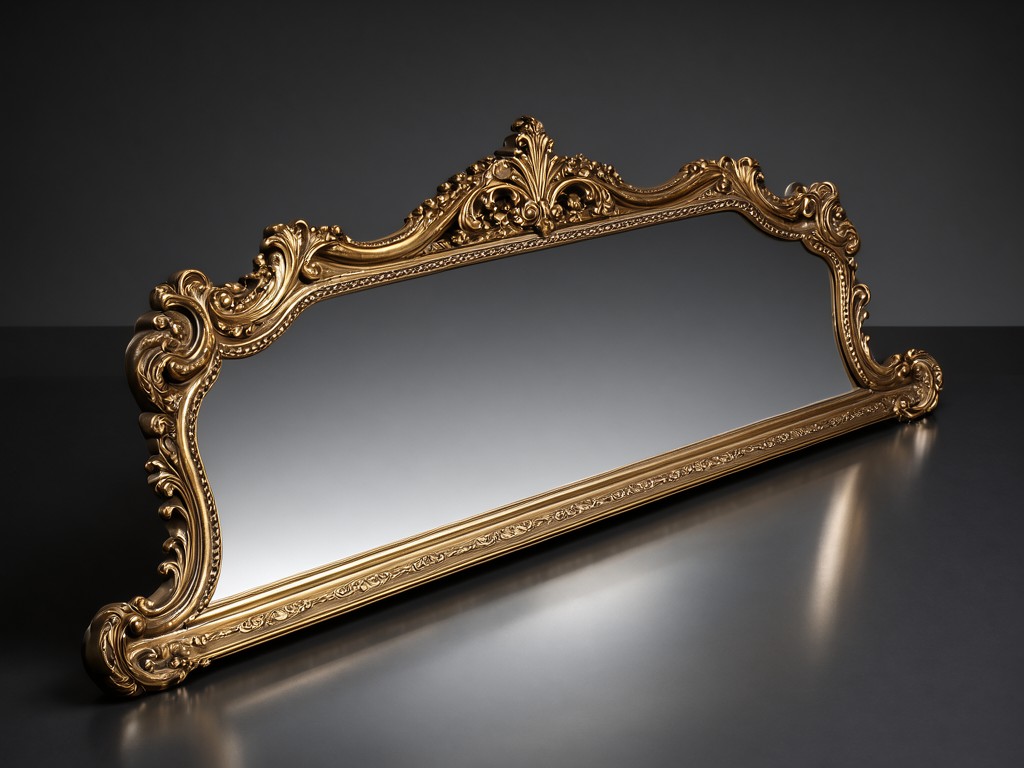
Specification for streamline mirrors requires a precise balance between glass silvering thickness and frame-edge adhesion to prevent premature foxing in high-humidity environments. Bulk buyers prioritize the 4mm to 6mm glass thickness range to mitigate the risk of structural cracking during international transit. The antique brass finish is achieved through a multi-stage electroplating process which ensures the tonal tone remains consistent across large production batches, a common failure point in hand-painted alternatives.
Ordering protocols must define the specific frame-gauge and the load-bearing-capacity hardware requirements. If the frame utilizes a lightweight aluminum alloy instead of solid brass, the mounting brackets must be reinforced to prevent frame deformation under long-term vertical tension. We provide technical drawings that specify the tolerances required to maintain the streamline profile while ensuring a rigid structure suitable for commercial-grade hospitality applications.
Technical Tolerance Standards
All streamline mirrors adhere to a dimensional tolerance of ±1.5mm across the diagonal axis. The antique brass coating is tested for salt spray resistance to ensure the finish does not delaminate when exposed to standard commercial cleaning agents.
The Problem Buyers Keep Paying For
Silvering degradation occurs at the glass edges when the moisture-barrier coating is not properly sealed with a specialized paint. This failure allows oxidation to react with the silver layer, leading to black spots that devalue the product in retail. Wholesale buyers often overlook the cost of edge-sealing, resulting in high return rates within twelve months of installation.
Another recurring issue involves the peeling of the antique brass finish at the sharp frame corners. If the adhesive used between the frame and the glass is not rated for thermal expansion, temperature fluctuations cause the coating to shear. We utilize a vacuum-pressure curing process to ensure the finish remains bonded to the substrate regardless of temperature shifts in the environment.
How It Is Built and What That Changes
The manufacturing sequence begins with the extrusion of the frame material, which determines the final weight profile. After mechanical shaping, the frame undergoes a degreasing bath to prepare the surface for the antique brass electroplating. This chemical bonding method provides a more uniform thickness compared to spray-applied finishes, which are prone to thinning and abrasion over time.
Glass silvering occurs in a clean-room environment to prevent dust entrapment within the reflective layer. A protective copper-based layer is applied over the silvering before the mirror is mounted into the frame. This construction choice significantly reduces the likelihood of foxing in mirrors placed in bathrooms or high-traffic-traffic corridors.
Comparing Two Standard Configurations
| Feature | Standard Alloy Frame | Premium Brass Frame |
|---|---|---|
| Material Composition | Recycled Aluminum | Solid Brass Alloy |
| Weight Density | 2.2 kg per linear meter | 4.8 kg per linear meter |
| Impact Resistance | Moderate (flexible) | High (rigid) |
| Market Application | Retail/Residential | Hospitality/Luxury Projects |
Matching the Product to the Buyer's Need
For high-volume retail projects, the alloy-frame option offers a lower price point per unit while maintaining the streamline aesthetic. The reduced weight also lowers shipping costs and simplifies installation for residential contractors. However, for luxury hotel fitouts, the solid brass configuration is required to provide the tactile weight and durability expected in premium-tier environments.
Selection depends on the environment's humidity profile. If the mirrors will be installed in coastal regions, the 6mm glass option with enhanced edge-sealing is non-negotiable. This specification prevents the chemical reaction between salt air and moisture that causes mirror failure.
Buying Mistakes That Lead to Returns
Ignoring the weight-bearing capacity of the hardware is a primary cause of field failure. When a heavy brass mirror is mounted with standard-grade brackets, the frame can lean or pull away from the wall. Always verify that the hardware specification matches the total mass of the glass and frame assembly combined.
Failing to specify the protective packaging requirements for export leads to surface scratches on the antique brass finish. The finish is susceptible to micro-abrasion if mirrors rub directly against cardboard. We recommend foam-edge guards and reinforced crates for international shipments to ensure the surface integrity remains intact upon arrival.
Usage Scenarios and Buyer Segments
Hospitality procurement officers utilize these mirrors in guest suites where visual consistency across multiple floors is mandatory. The antique brass finish provides a classic element that complements modern interior designs. Private-label buyers for retail chains often focus on the streamline profile to appeal to current minimalist trends in the home decor market.
Wholesale distributors target these mirrors for large-scale residential-development projects. In these cases, the focus shifts to the ease of installation and the reliability of the finish during high-paced construction phases.
Care, Storage and Service Life
The service life of the silvered glass exceeds 15 years if maintained with pH-neutral cleaning agents. Avoid acidic liquids which can strip the antique brass plating or etch the base metal underneath. A soft, microfiber cloth is sufficient for maintaining the luster without introducing surface scratches.
Storage requires a dry environment with temperatures below 30°C to prevent condensation buildup. Exposure to extreme moisture during storage can initiate foxing even before the product is ever installed. Store mirrors vertically, separated between foam sheets to prevent pressure-related warping of the frame.
Request a technical review for your bulk project
Review tooling and custom specifications here