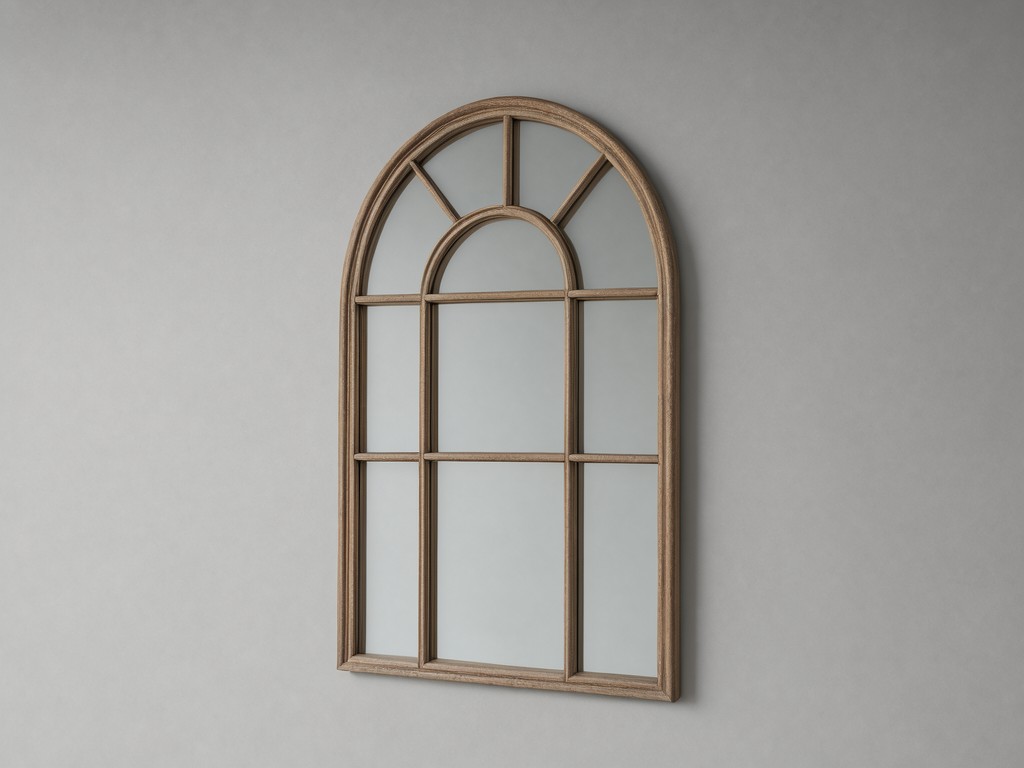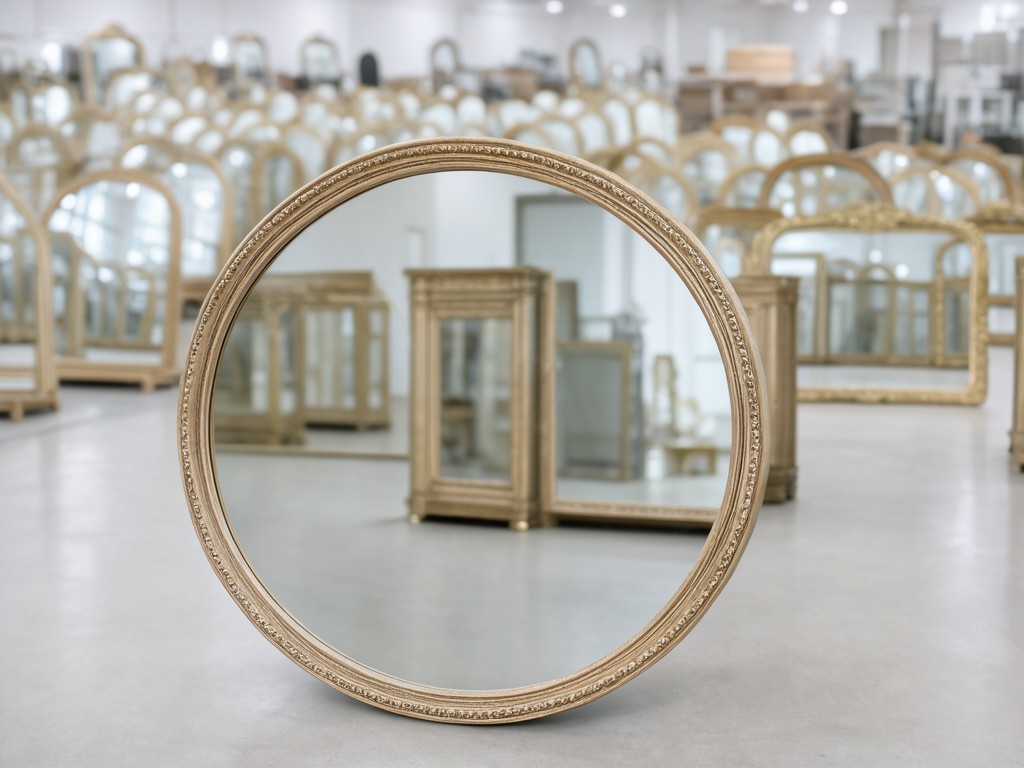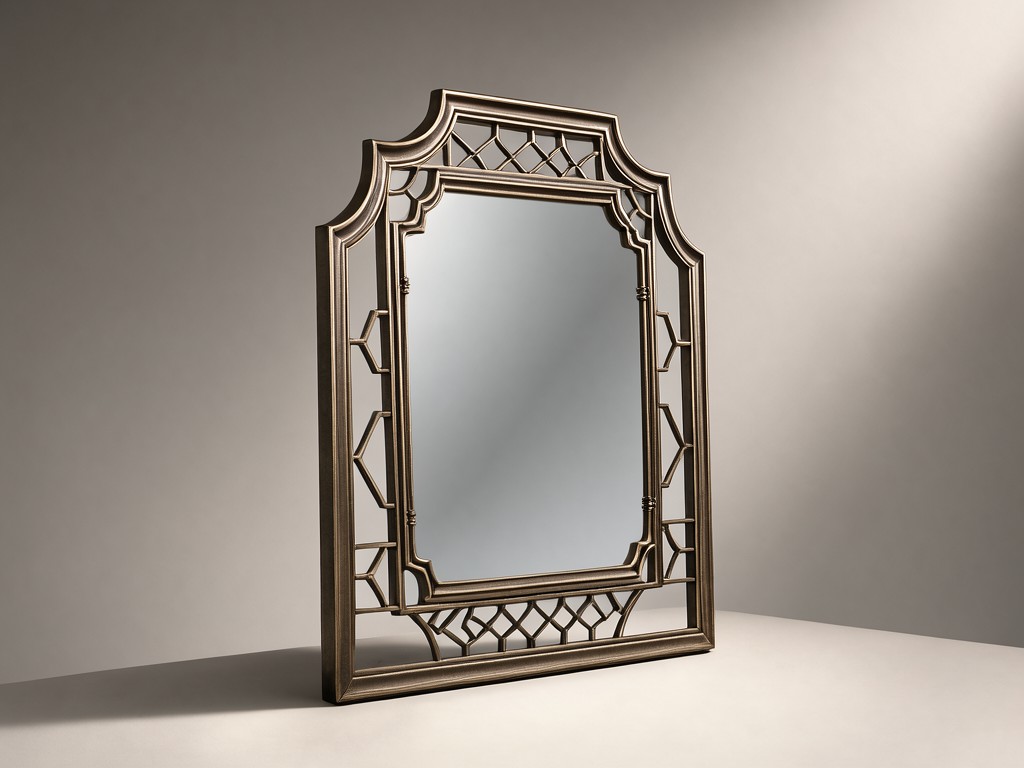
Wholesale bronze metal wall mirror decorative Company: Specification, Ordering and Quality Notes
Batch consistency in bronze-finished metal mirrors depends on the precision of the vapor deposition process or thermal coating of the substrate. If the chemical composition varies by more than 2% between production runs, the visual tone will shift across multi-unit retail installations. Buyers must prioritize suppliers who utilize atmospheric-controlled storage to ensure the oxidation resistance remains uniform across entire shipments.
Dimensional tolerance in the frame assembly determines whether the glass sits securely without stress points. A variance of 2mm in the frame housing leads to uneven pressure on the glass, resulting in premature stress fractures during transit. Selecting a manufacturer with automated jig-based assembly reduces the rate of fractured units in the shipping container.
How It Performs in Use
Environmental humidity levels test the integrity of the silvering layer and the protective backing. High-humidity environments accelerate de-silvering at the edges if the moisture barrier is not applied with sufficient thickness. Choose a 3mm high-density backing to mitigate the risk of black spot corrosion in coastal retail climates.
The weight of the decorative frame dictates the mounting requirements for the end-user. Lightweight alloy frames allow for standard cleat mounting, whereas solid cast bronze frames increase labor time for the installer. Specify reinforced stainless-steel brackets for any unit exceeding 8kg to prevent hardware failure during wall attachment.
Specification Range and Customisation Limits
Material selection impacts the unit cost and the long-term stability of the bronze patina. Thinner metal gauges offer lower freight costs but increase the likelihood of denting during high-volume logistics handling.
| Feature | Standard Grade | Reinforced Grade |
|---|---|---|
| Frame Thickness | 1.2mm - 1.5mm | 2.0mm - 3.0mm |
| Glass Specification | 4mm Floated | 6mm Toughened |
| Coating Method | Electrostatic Powder | Multi-layer P Spray |
| Oxidation Resistance | Standard (24h Salt Spray) | High (72h Salt Spray) |
Inspection Items and Test Methods
Quality Assurance Protocols
Salt spray testing validates the durability of the bronze coating against corrosive environments. A 48-hour exposure cycle identifies weak points in the finish before the product reaches the consumer. We also perform cross-cut adhesion tests to ensure the decorative coating does not del from the metal substrate under mechanical stress.
Impact testing on the glass surface ensures the mirror survives standard retail handling shocks. We utilize a drop-test methodology from 1 meter to verify the internal buffering strength. Dimensional checks using digital calipers confirm that the frame tolerances remain within the ±1.5mm range.
Capacity, Tooling and Scheduling
Production capacity is limited by the cycle time of the metal casting or extrusion process. High-volume orders require dedicated molds to prevent wear drift in the decorative relief patterns. Lead times for custom mouldwork typically range from 6 to 8 weeks depending on the complexity and curing cycles.
Standard inventory items are available for immediate dispatch if the raw material stock allows. For private-label projects, we require a sample approval phase to ensure the bronze tone matches the brand guidelines before mass production begins. Review our tooling capabilities here.
Setup, Use and Replacement Parts
Maintenance involves avoiding abrasive cleaners that strip the bronze patination. Replacement hardware should utilize stainless-steel components to prevent rust-related staining on the mirror surface. Regular cleaning with a damp microfiber cloth prevents the buildup of particulates that can scratch the finish over time.