Wholesale clover decorative wall mirror Supplier: Specification, Ordering and Quality Notes
What This Product Is and Where It Fits
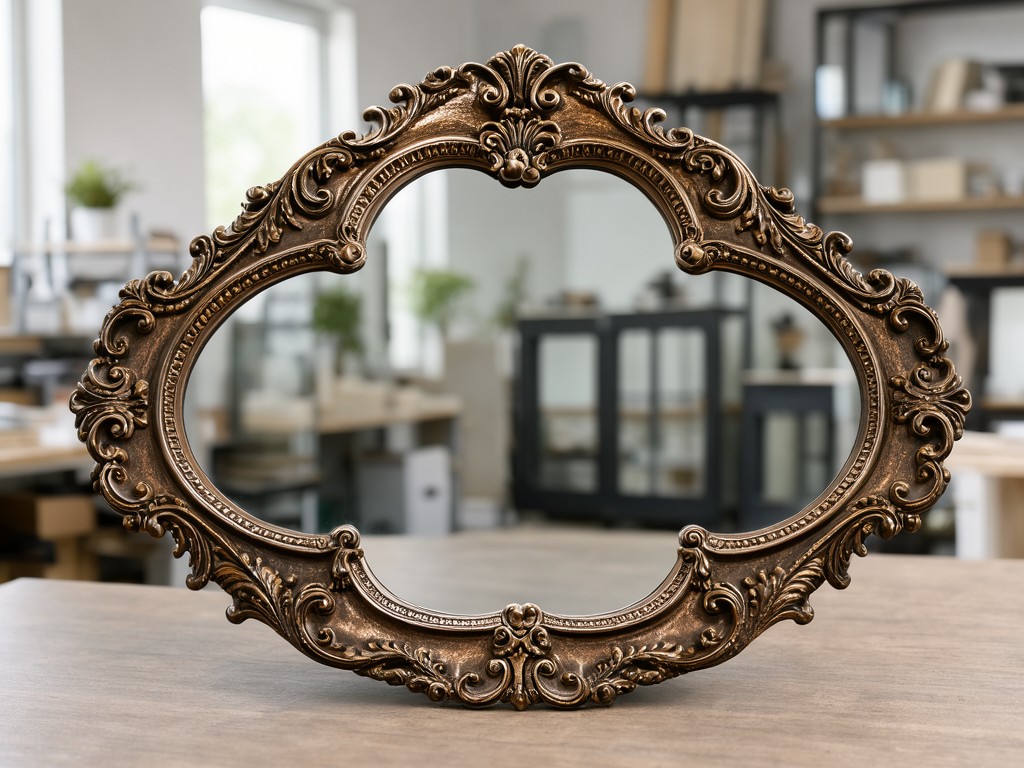
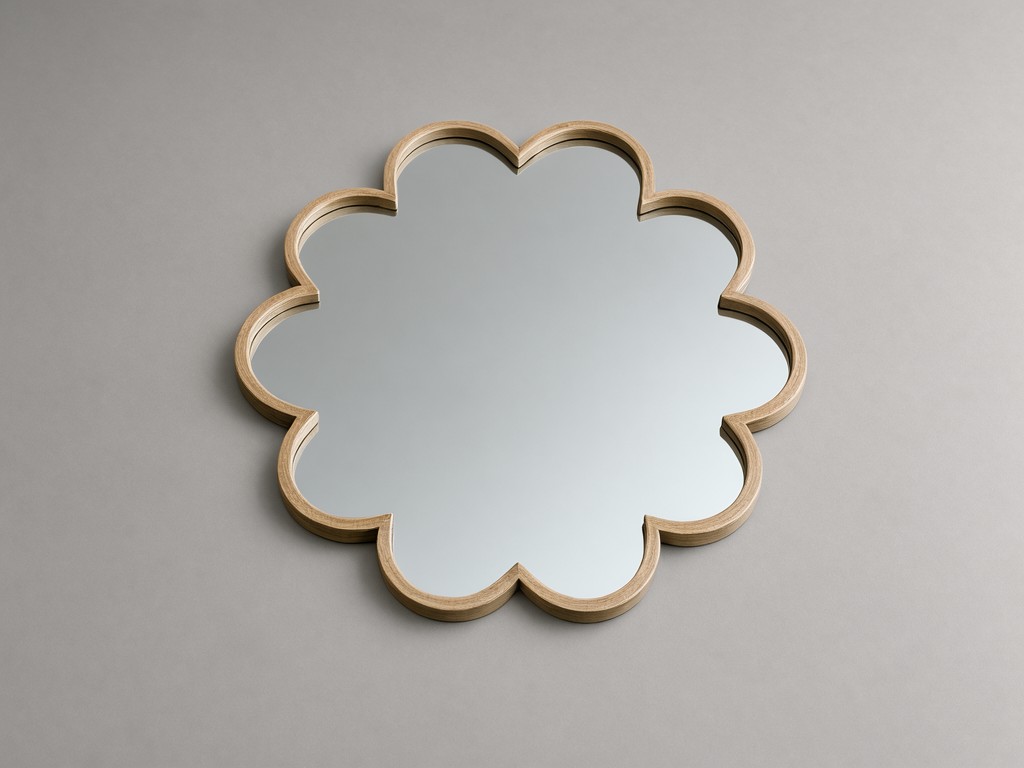
A four-leaf clover wall mirror carries most of its visual weight in the curved lobes, so any flatness error over 0.5 mm per 300 mm reads as waviness against a painted wall. Four-millimetre float glass keeps unit weight down but flexes under its own silver backing once the lobe width passes 400 mm. Five-millimetre glass adds roughly 12 kg per square metre and removes most of that deflection. The decision rule is simple: specify 4 mm for decorative runs under 600 mm across, and 5 mm for anything larger or for high-traffic walls.
Material Options and Their Trade-offs
Consistency is set at the forming stage, when the glass is cut to the clover profile and the silvering line is set. Copper-free silvering resists the black-edge oxidation that shows up first on concave clover seams, while standard silver backing usually spots within 18 to 24 months in humid backbars. MDF backers keep cost low but absorb moisture at the edge; engineered hardwood backers add weight and hold screws better for repeated rehangs.
| Specification | 4 mm glass + MDF backer | 5 mm glass + hardwood backer |
|---|---|---|
| Unit weight per piece | ~2.1 kg | ~3.8 kg |
| Edge flatness tolerance | ±0.8 mm | ±0.4 mm |
| Silver adhesion before edge spotting | 18-24 months | 36-48 months |
| Typical failure mode | desilvering at concave seams | corner chip in transit |
| Best suited to | low-traffic decorative walls | studios, corridors, rehang cycles |
Tolerance stack-up matters most where two mirrors sit side by side in a salon; order from the same production batch to keep lobe radius within ±1.5 mm.
Customisation Options and Their Limits
The build method decides whether a clover mirror holds its silhouette after mounting or sags at the stem joint.
- Frameless or PS-resin frame: frameless suits fast sample approval but exposes the silver edge; PS-resin hides the edge and adds 300-600 g per piece.
- Choose PS-resin when the buyer wants a single SKU across multiple wall colours.
- Choose frameless when the specification calls for the thinnest wall projection.
- Glass thickness: 4 mm for lobes under 400 mm; 5 mm when the mirror must survive repeated rehanging.
- Backer colour: black or white MDF; custom Pantone matching needs a signed drawdown and adds 7-10 days to sampling.
- Hanging hardware: D-ring and screw for masonry, sawtooth for timber studs; specify the wall type on the purchase order so the factory fits the correct fixings.
- Approval steps: submit the clover outline drawing, confirm silvering type and edge polish, approve a physical sample, then lock tolerances before the first production run.
Usage Scenarios and Buyer Segments
Boutique hotel corridors use clover mirrors as accent pieces above consoles, where they survive incidental luggage contact but need low-distortion reflection. Dance and yoga studios mount them at reception or along feature walls, so the glass must resist barre vibration and cleaning-spray overspray without edge spotting. Salon waiting areas choose the clover shape for brand walls, which means the silvering must hold up to weekly glass cleaner and humidity from steam towels.
Segment-Specific Requirements
Specification rule: do not mount clover mirrors above 2.2 m in studios where impact transfers to the wall; use 5 mm glass with safety film and rate the hanging hardware for at least 2× the mirror weight.
Private-label buyers need batch traceability on the backer label so a warranty claim can be traced to the silvering run. Importers usually request corner protectors and individual sleeve packaging because the concave clover seams chip at the weakest point during pallet movement.
Stock Availability and Reorder Planning
Standard clover sizes run to MOQ of 50 pieces per finish, with a 14-day sample window and 28-35 day production lead time after drawing approval. Repeat orders should reference the previous batch number to keep silvering tone and lobe radius within the agreed tolerance. Reorder planning works best when the buyer locks the specification before production rather than adjusting it at the dock.
Export Packaging and Handling Protection
Process choice shows up later as the difference between a mirror that survives LTL freight and one that arrives with edge chips. Each clover mirror gets individual EPE foam wrapping, four corner protectors, and a double-wall carton rated for the piece weight plus 20 percent. Cartons are sealed with moisture-resistant tape and labelled with batch code and orientation arrows so warehouse staff do not stack concave sides together.
Drop testing is done at carton level before release, not piece level, because a single edge hit on a clover lobe can start a crack that runs across the whole silhouette. The buyer should specify pallet configuration and maximum stack height on the purchase order to avoid compression set on the lower cartons.
Specification review is the cheapest way to cut returns on a repeat clover mirror order.
Request specification review