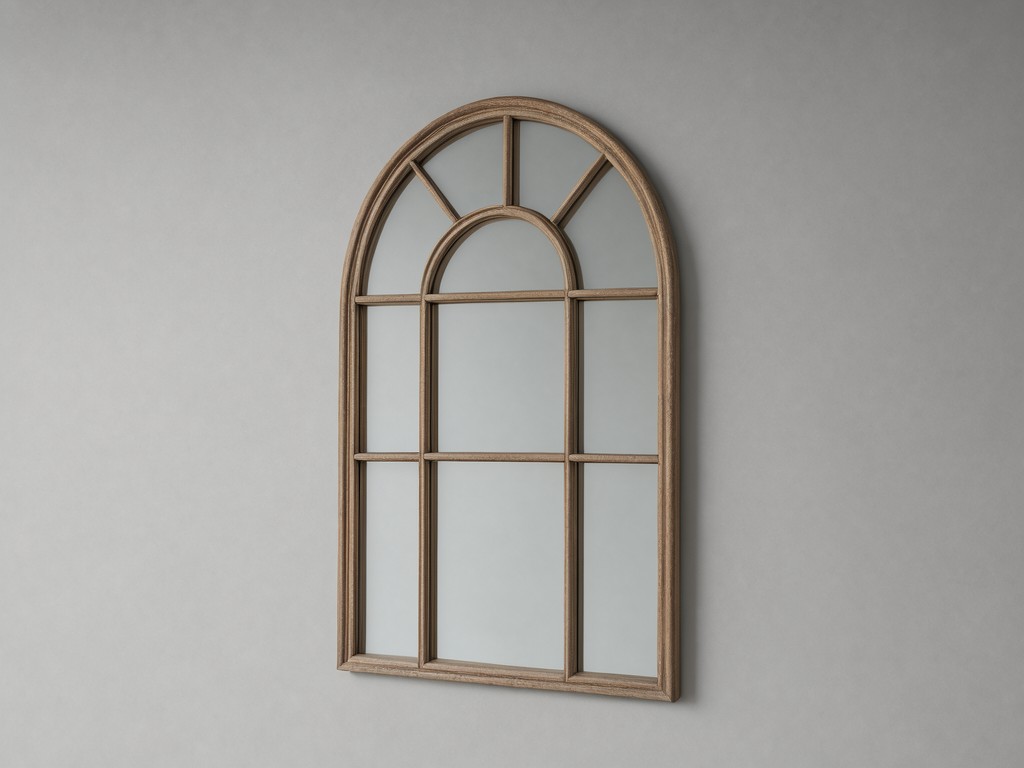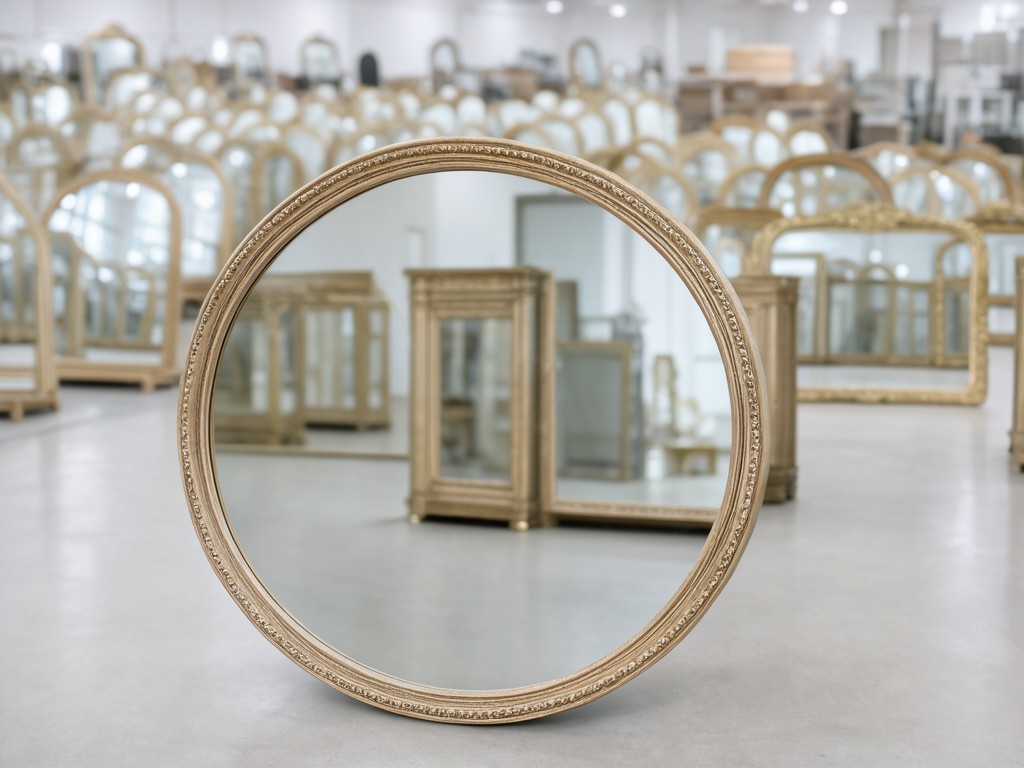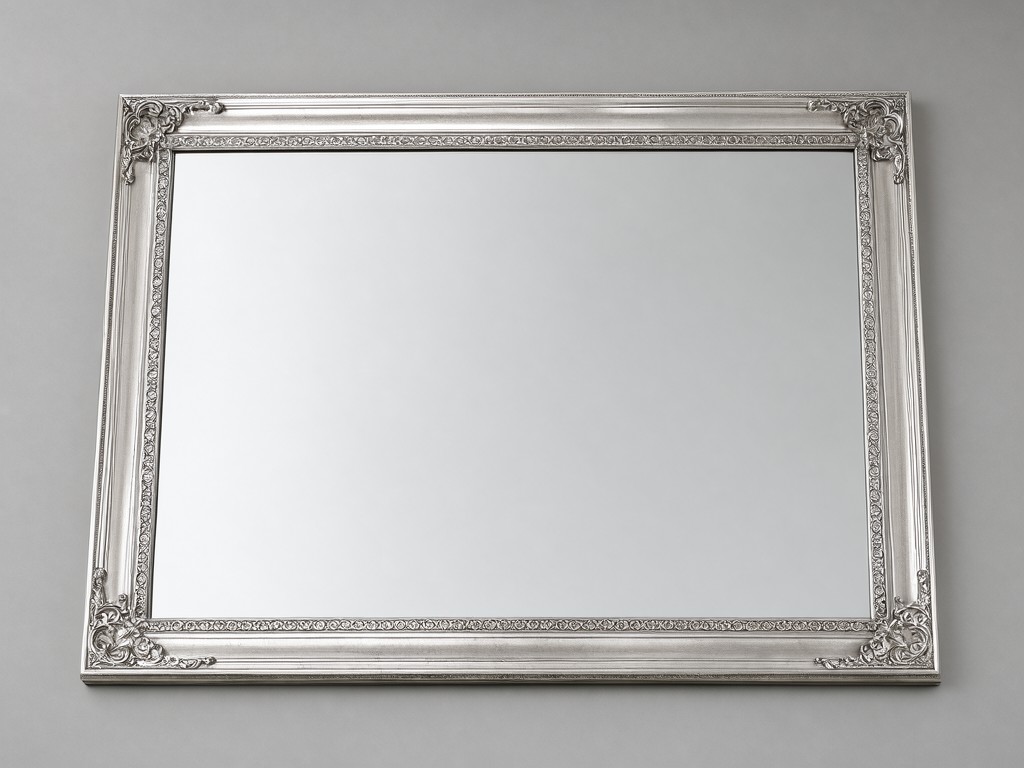
Specifying wholesale asymmetrical decorative accent mirror Company for Wholesale and OEM Orders
The build method decides the structural stability and unit price point for mass-retail distribution. Asymmetrical designs require precise CNC cutting of the glass to ensure irregular edges meet the design intent without introducing stress fractures. The manufacturing process focuses on maintaining dimensional tolerance between the glass substrate and the frame fitment within tight millimeter ranges to prevent rattling or breakage during transit.
Procurement officers must evaluate the silvering process against the intended environment of the end user. A copper-free silvering process reduces the risk of black-spot oxidation, particularly in high-humidity zones like bathrooms or coastal retail environments.
Scope of Supply and Physical Form
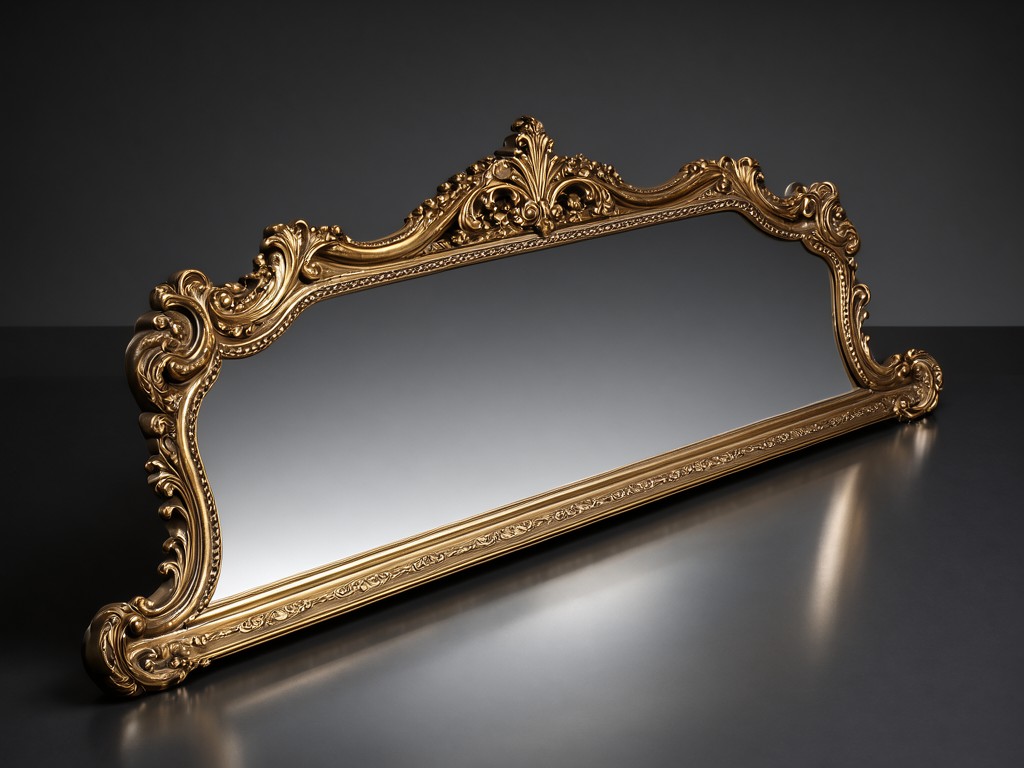
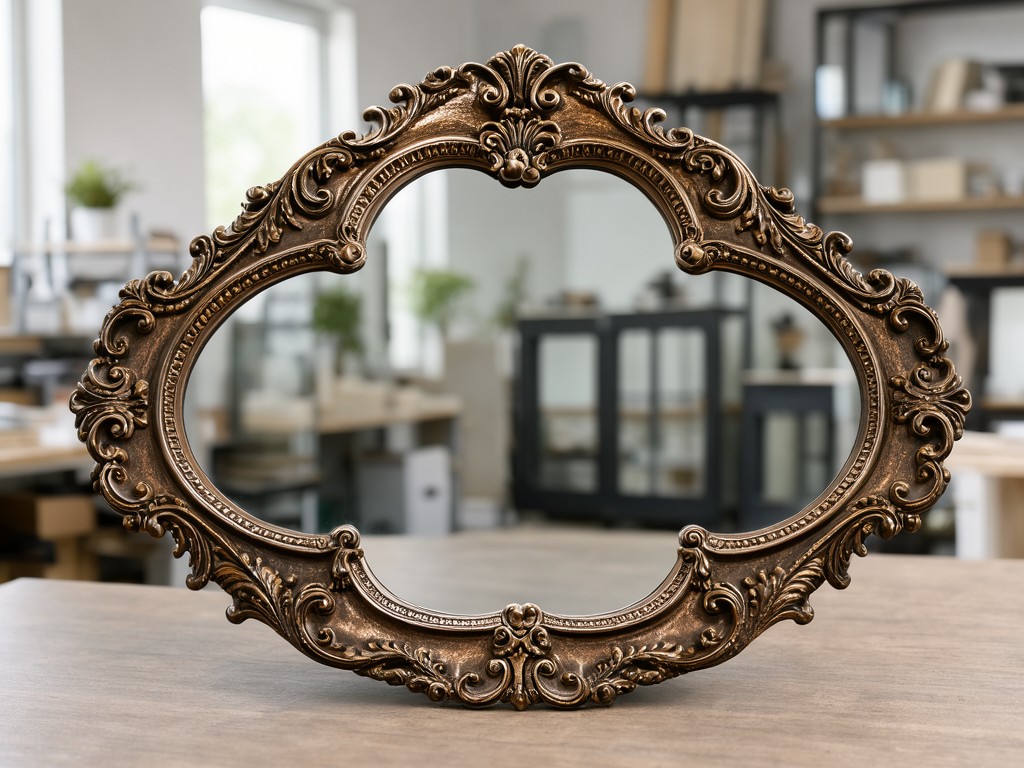
The supply encompasses the glass unit, the structural frame, and the mounting hardware assembly. Unlike standard rectangular mirrors, asymmetrical forms demand custom jig templates for each production run. This ensures that every unit in a bulk order remains consistent with the approved technical drawing.
Material Options and Their Trade-offs
First-article tooling determines the precision of the frame-to-glass fitment across high-volume runs. Material selection directly impacts both the shipping weight and the durability of the decorative finish. Aluminum extrusions offer the highest strength-to-weight ratio but require higher initial tooling costs compared to molded resin-based alternatives.
MDF-based frames provide a lower cost-per-unit for budget retail but are susceptible to warping if exposed to sustained high moisture loads. High-grade resins allow for more complex organic shapes but may show seam separation if the adhesive curing process is not strictly controlled.
| Feature | Aluminum Frame | Molded Resin |
|---|---|---|
| Weight Resistance | Excellent | Moderate |
| Corrosion Resistance | High | High |
| Unit Cost | Premium | Competitive |
Buying Mistakes That Lead to Returns
Process choice shows up later as the frequency of silvering failure in the field. Many wholesale buyers overlook the importance of the edge-seal on irregular cuts. If the protective edge coating is not applied uniformly, moisture penetrates the glass edge, leading to rapid delamination within months.
- Accepting loose tolerances (±3mm) which causes visible gaps between the frame and glass.
- Utilizing non-moisture-resistant backing for intended for bathroom applications.
- Neglecting the UV-rating of the decorative finish, resulting in fading under direct sunlight.
- Failing to verify the load-bearing capacity of the asymmetrical hanging brackets.
Who Uses It and Where It Matters
Retail distributors utilize these pieces to create visual focal points in modern residential showrooms. The asymmetrical nature breaks the monotony of standard inventory, justifying a higher retail margin. In the hospitality sector, these mirrors are specified for hotel lobbies where high-impact design is prioritized over simple functionalism.
High-traffic commercial environments require mirrors that can withstand frequent handling and accidental impact. This necessitates the use of reinforced glass and secure adhesive bonds to ensure the product remains intact throughout its retail life cycle.
Volume Planning and Lead Time
Capacity planning must account for the lead time of glass-cutting and frame-fabrication separately. Standard wholesale orders typically follow a 6-8 week lead time, while custom-tooled frames require 12-14 weeks due to the initial mold and approval phases.
Reliability of supply is maintained through batch traceability of raw materials. This ensures that if a specific batch of glass exhibits a defect, the distributor can isolate affected units rather than recalling the entire shipment.