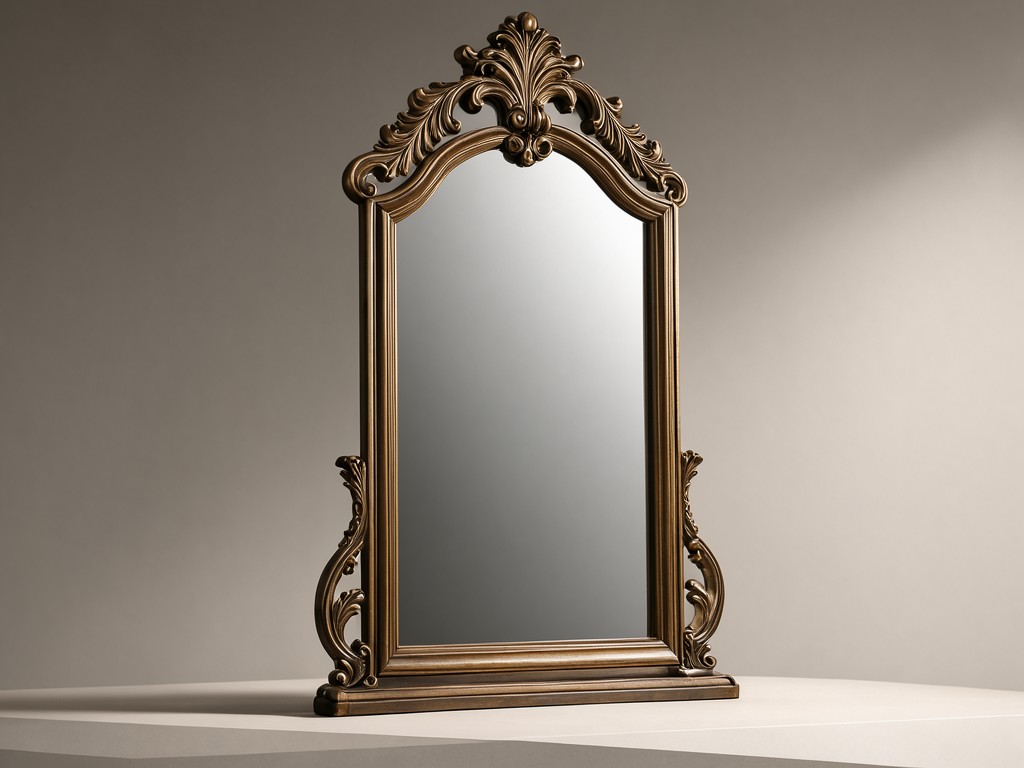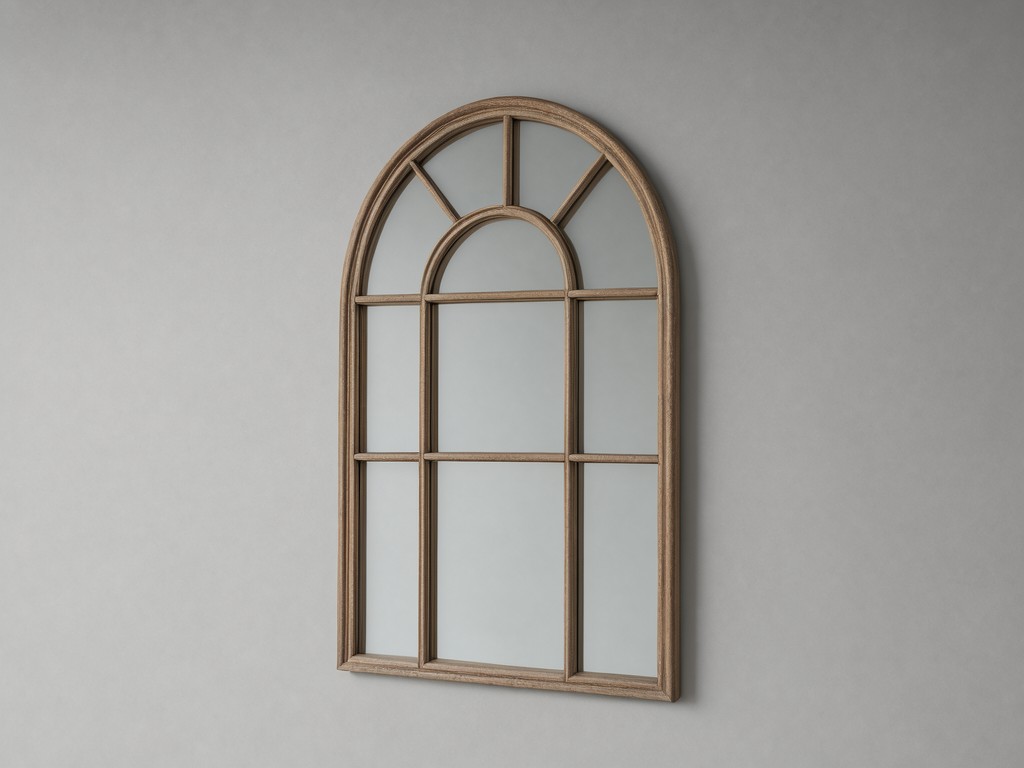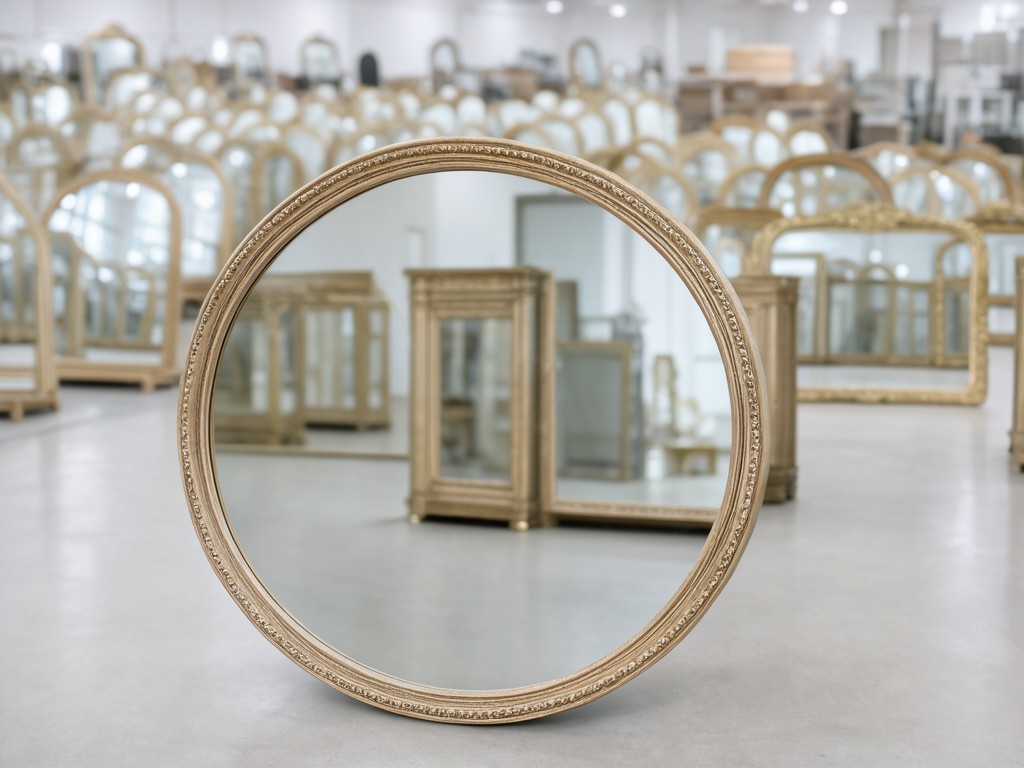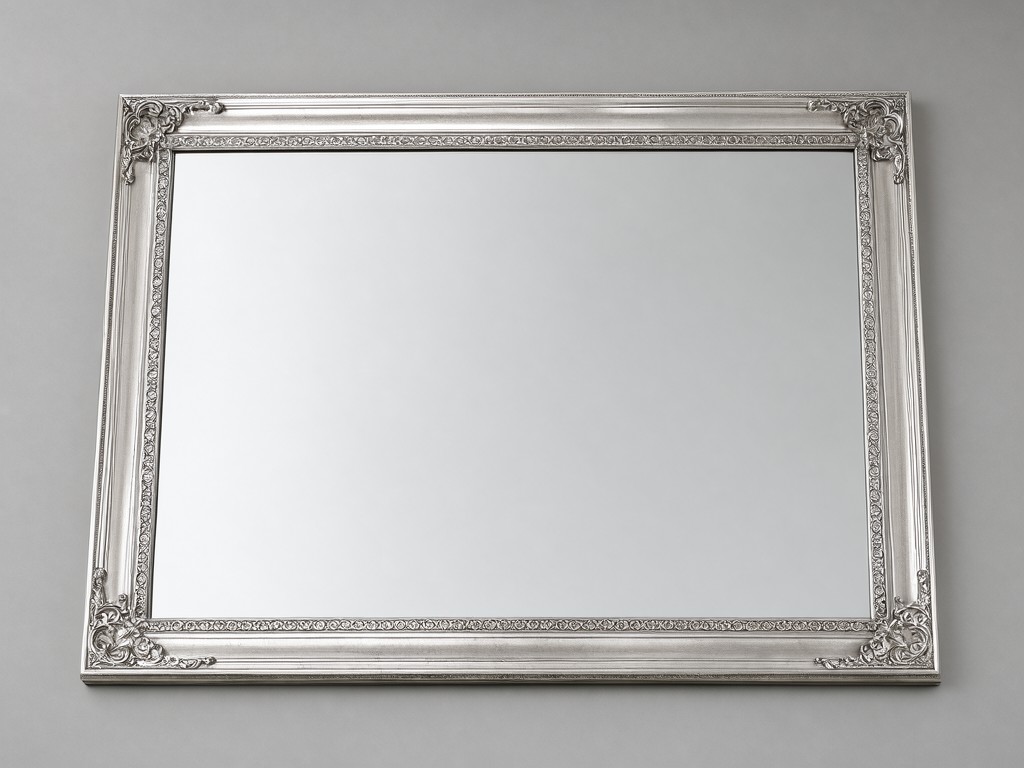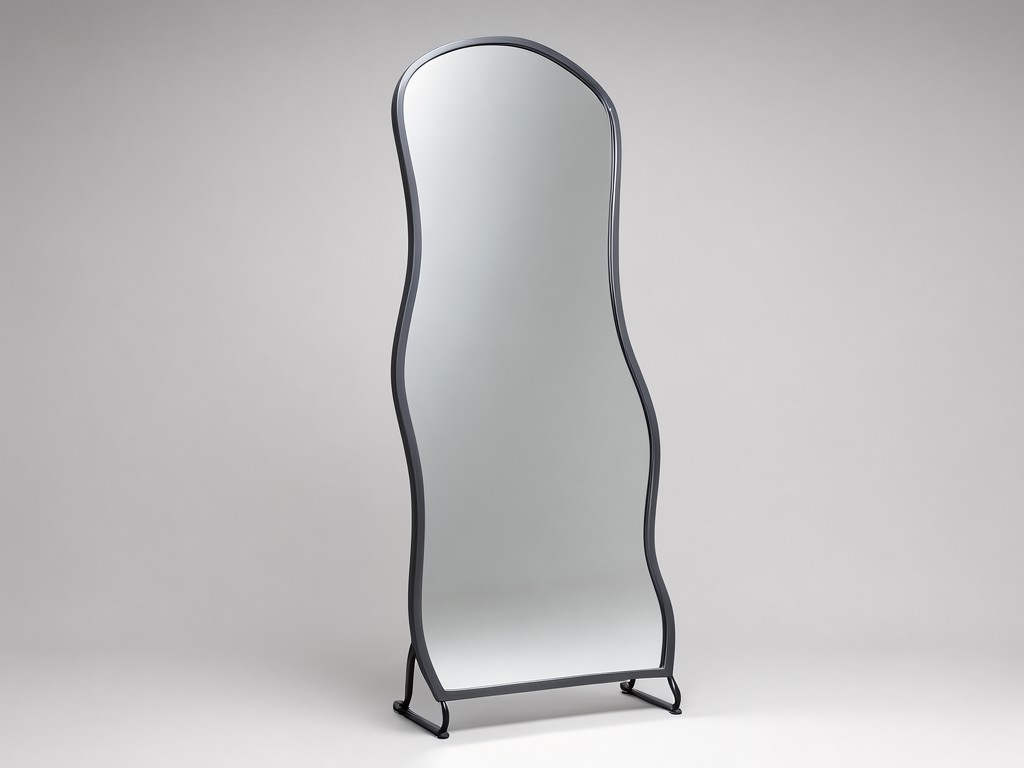
custom wavy full length body mirror manufacturer - Bulk Supply and Specification Guide
Technical Specification Trade-off
Material choice starts with the conditions the product will meet. Selecting silvered glass provides optical clarity but increases weight and breakage risk, whereas acrylic alternatives reduce transit losses at the cost of visual distortion in tight wavy curves.
What the Design Has to Balance
Construction options diverge as soon as weight matters. The wavy geometry requires specific tension management; if the radius of the curve is too tight, glass experiences internal stress that leads to spontaneous cracking. We utilize 4mm to 6mm thickness glass to maintain structural stability without adding excessive load to the mounting hardware. The frame must distribute this weight evenly to prevent warping over seasonal temperature fluctuations in retail environments.
Optical distortion is the primary metric for wavy full-length mirrors. A rigid backing prevents the glass from flexing, which maintains the true reflection across the entire surface. If the backing is insufficiently rigid, the image will warp, leading to high return rates from consumers expecting flat accuracy.
How It Performs in Use
Cost and durability pull in opposite directions once the high-density resin frames offer moisture resistance but are prone to paint peeling if the primer is not properly cured. Humidity environments accelerate edge silvering; we apply a moisture-resistant barrier to the glass edges to prevent oxidation. High-traffic zones require de-stabilized backing to ensure the mirror remains flat after physical impact.
Surface finish durability depends on the coating method. Powder-coated frames offer better scratch resistance than spray-painted MDF in commercial retail settings. We test these finishes using abrasion cycles to ensure the pigment survives thousands of cleaning motions without thinning.
Customisation Options and Their Limits
Frame materials vary from molded MDF to extruded aluminum. Injection molding allows for complex wavy profiles but limits the impact resistance found in solid wood or heavy powder-coated metal. We limit custom finishes to specific RAL codes to ensure color batch consistency across large orders.
| Usage Environment | Material Recommendation | Performance Metric | Risk Factor |
|---|---|---|---|
| Residential | 4mm Glass / MDF Frame | Visual Clarity | Impact Breakage |
| Commercial Retail | 6mm Glass / Metal Frame | Impact Resistance | Surface Peeling |
| High-Humidity Spa | Acrylic / Resin Frame | Corrosion Resistance | Optical Distorsion |
Volume Planning and Lead Time
Production cycles depend on the tooling availability for specific wavy profiles. Custom molds require a 4-6 week lead time before production begins. Standard profiles can be processed within a 21-day window. We prioritize orders based on raw material stock availability to ensure batch-consistency across the entire shipment.
Ordering, Tooling and Lead-Time Questions
How do you manage optical distortion in wavy designs?
The radius of the curve dictates the thickness of the glass. We use CNC-cut rigid backing to prevent glass flexing, ensuring the reflection remains consistent despite the wavy geometry.
What is the minimum order for custom frame finishes?
Custom RAL coatings require a minimum of 500 units to offset the setup costs of the powder-coating line and ensure color-matching across the batch.
How are the mirrors protected for international shipping?
We utilize double-walled foam inserts within reinforced reinforced cardboard crates. This configuration reduces the probability of edge-impact fractures during sea freight transit.
Contact our technical team for an artwork and branding review.