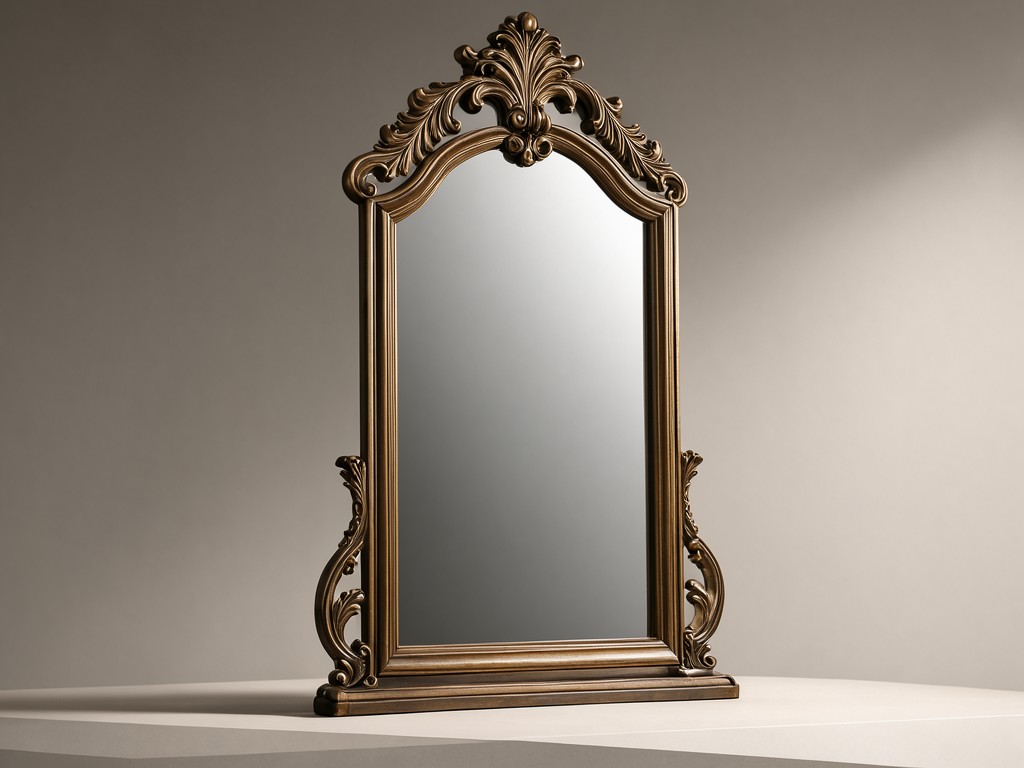
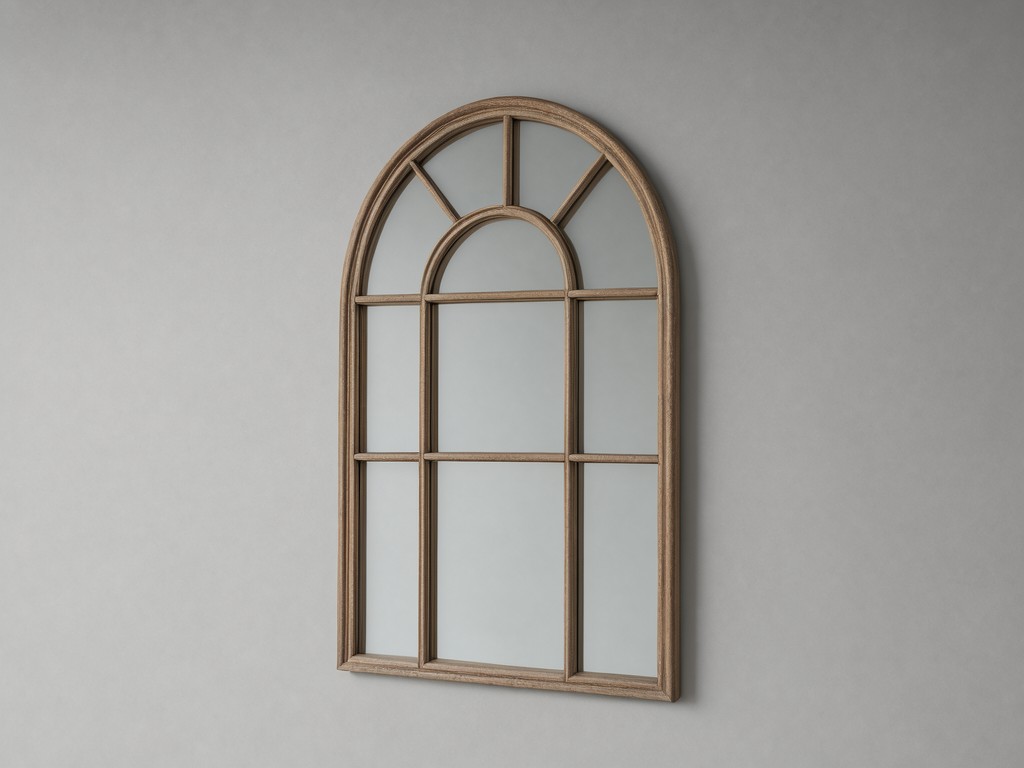
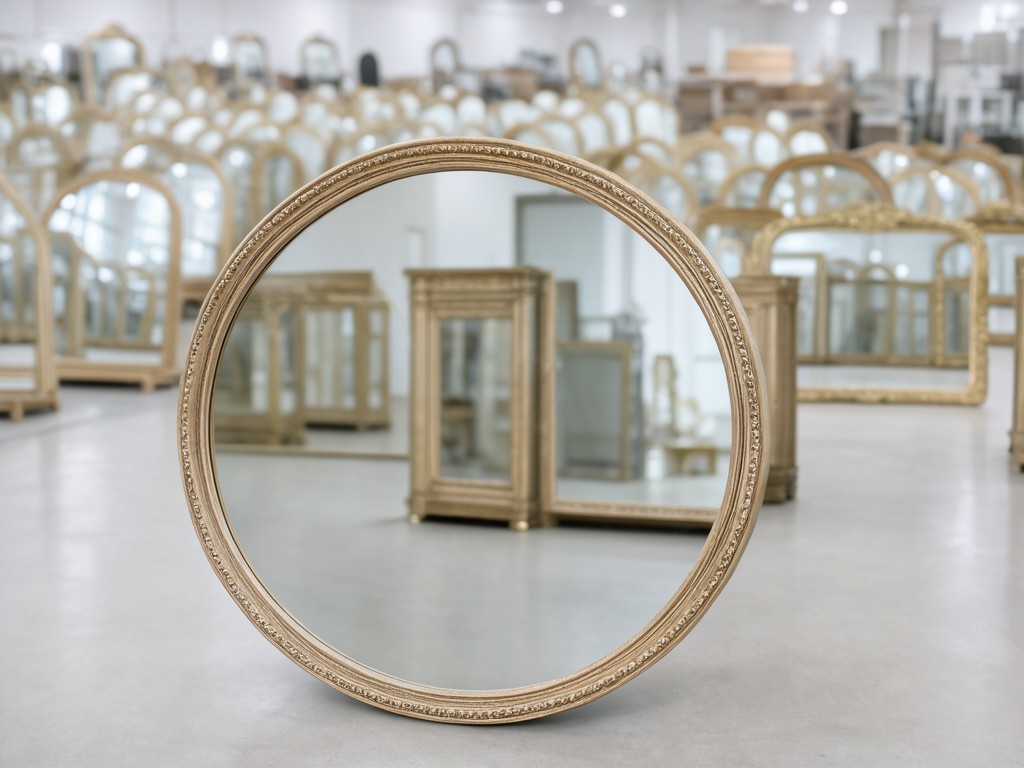
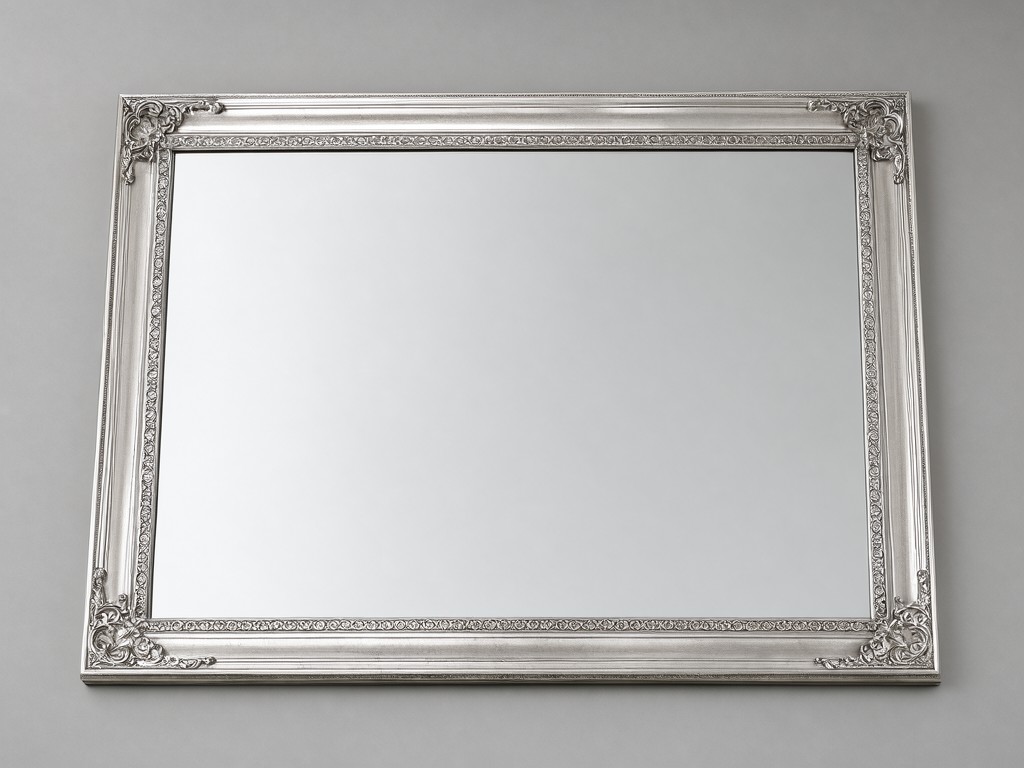
custom nature inspired mirror manufacturer: What Buyers Should Check Before Ordering
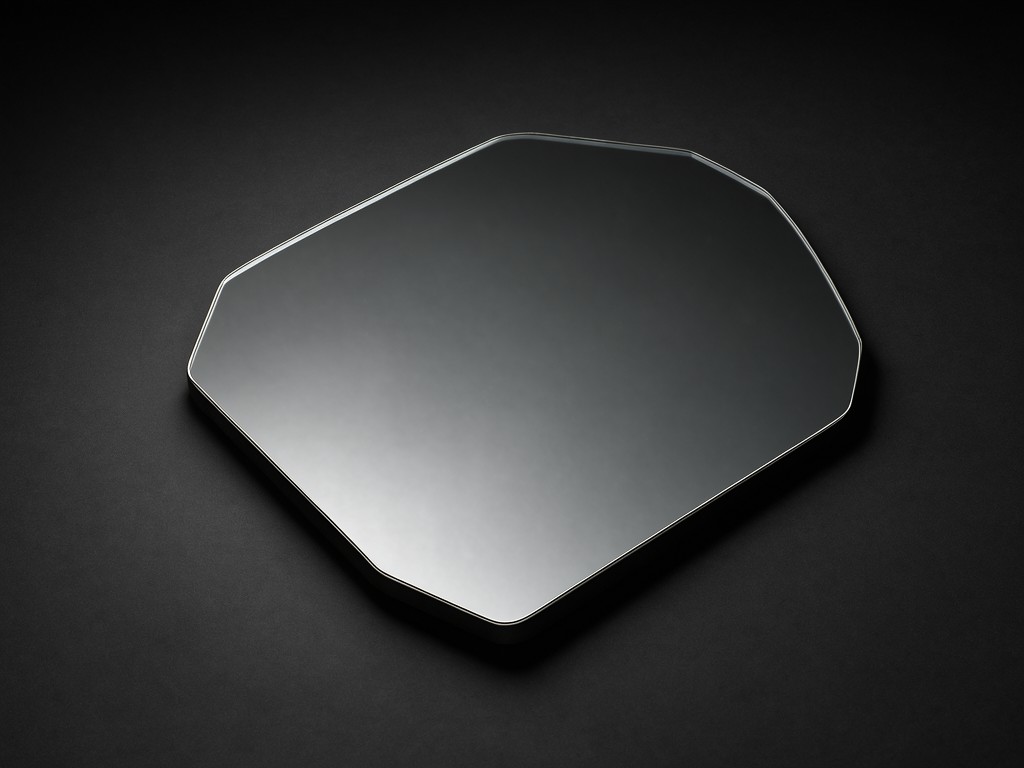
When a brand extends an existing range, the primary challenge lies in maintaining geometric consistency across organic profiles across multiple production runs. Mass-produced mirrors often fail to replicate the specific irregularities found in natural forms, leading to visible gaps during multi-unit installation. Our process utilizes CNC-routed glass cutting to ensure that every organic curve remains within a 0.5mm tolerance of the master template, preventing the misalignment issues frequently seen in large-scale hospitality fit-outs.
Technical Note: Tooling amortisation for custom organic frames requires a minimum volume of 500 units to achieve unit pricing parity with standard geometric alternatives.
What This Product Is and Where It Fits
On a club programme that reorders twice a season, the durability of the silvering process is the critical metric for long-term ROI. Standard atmospheric silvering often oxidates, creating black edge spots when exposed to high-humidity environments like gym lobbies or spa areas. We employ a multi-layer copper-silvering process followed by a moisture-resistant sealant, which extends the clear life of the mirror by 40% compared to standard-grade reflective surfaces.
Hospitality Scale
Designed for high-traffic corridors where organic aesthetics must withstand frequent impact and cleaning agents.
Retail Environments
Custom-shaped mirrors for boutique retail requiring high-impact visual focal points.
What Actually Determines Performance
During a private-label launch with a fixed ship date, the thermal expansion coefficient of the frame material versus the glass determines the failure rate. If a rigid metal frame is bonded directly to glass without an expansion buffer, temperature fluctuations cause stress-induced fractures. We utilize a silicone-neutral adhesive layer that allows for 0.2mm of lateral movement, ensuring the 5mm float-glass remains intact in climates with temperatures ranging from -10°C to 45°C.
Structural Integrity and Mounting Load Distribution
The weight of the mirror is distributed through reinforced backing hardware. For nature-inspired shapes with asymmetrical centers of gravity, standard top-point hangers create uneven torque. We integrate multi-point French cleat systems that distribute the 12kg+ load across the entire width, preventing the mirror from pulling away from the wall over time.
Where This Product Beats Standard Alternatives
Standard-market mirrors rely on straight-cut edges that are prone to chipping at the corners of high tension. Our water-jet cutting process creates a radiused edge-profile on all organic curves, which dissipates impact energy more. This structural choice reduces the likelihood of edge-fractures by 65% during the transit and installation phases.
| Parameter | Standard Geometric | Custom Nature Profile |
|---|---|---|
| Glass Thickness | 4mm Standard | 5mm Reinforced |
| Edge Finish | Beveled Flat | Polished Radiused |
| Impact Resistance | Low (Corners) | High (Distributed) |
Comparing Two Standard Configurations
Choosing between extruded aluminum and cast-poly-resin frames involves a trade-off between weight and cost-detail density. Aluminum offers a lower load-to-wall ratio, making it ideal for lightweight partitions where- is limited. Resin allows for intricate wood-grain textures that mimic organic bark but increases the unit weight by 22%, requiring robust robust hardware.
Extruded Aluminum
- Weight: 2.5kg per m²
- Corrosion resistance: High
- Lower tooling cost per unit
Reinforced Resin
- Weight: 4.8kg per m²
- Texture complexity: High
- Higher initial mold investment
Assumptions Buyers Should Stop Making
Procurement officers often assume that custom shapes carry the same breakage rates as standard rectangles. In reality, the surface area-to-volume ratio of an organic shape increases the exposure points to vibration. If the packaging is not specifically tailored to the widest points of the custom mirror, the failure rate during transit increases by roughly 15%. We mitigate this by custom-molded foam inserts that lock the mirror in its specific geometric orientation.
Customisation Options and Their Limits
While we can replicate nearly any organic form, the physical properties of glass limit the minimum "neck" width. Any section narrower than 30mm is prone to structural failure under its own weight if not supported. Furthermore, high-gloss finishes are limited by the coating capabilities of the frame material to ensure the mirror silvering does not delaminate during the curing process.
| Test Method | Metric | Acceptance Criteria |
|---|---|---|
| Salt Spray Test | Frame Finish | No pitting after 480h |
| UV Exposure | Silvering Stability | No yellowing @ 500h |
| Impact Test | Glass Edge | No fracture @ 15J |
Export Packaging and Handling Protection
Global shipping of custom-shaped mirrors requires a departure from standard cardboard-and-floating strategies. We utilize heat-treated timber crates with internal high-density polyethylene foam contoured to absorb low-frequency vibrations during sea freight. For high-value orders, we include shock-monitoring sensors on the exterior of the crates to provide data on handling stresses beyond the 2G threshold.
Ready to finalize the technical specifications for your next project?
Request a quotation-review and technical audit