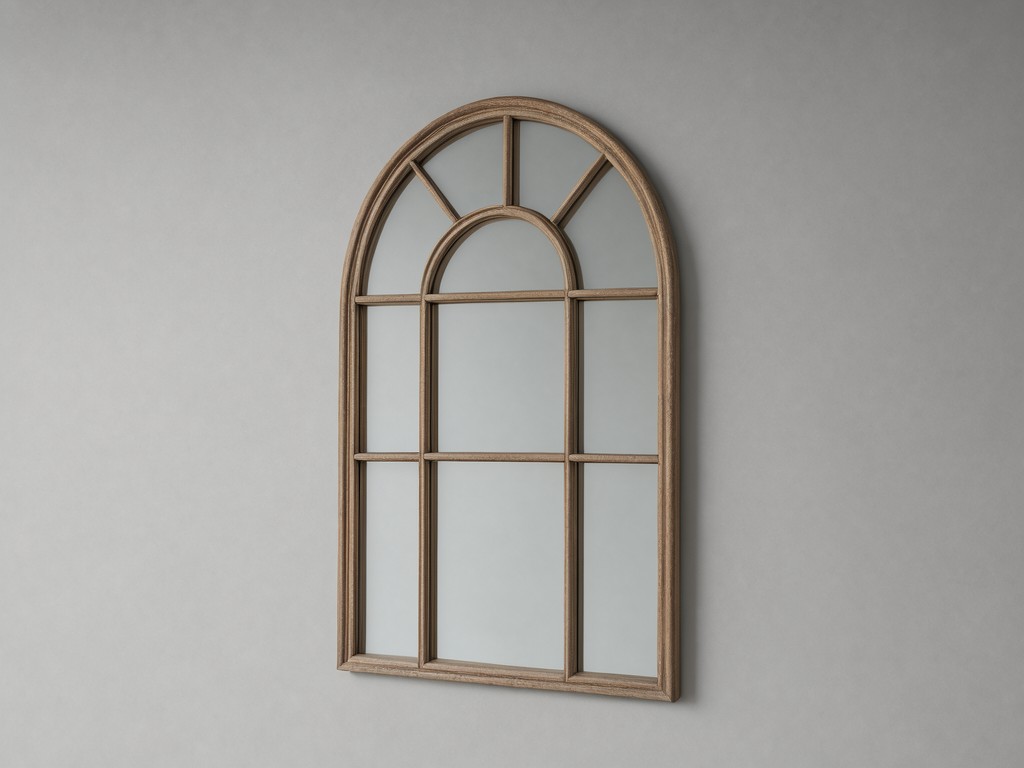
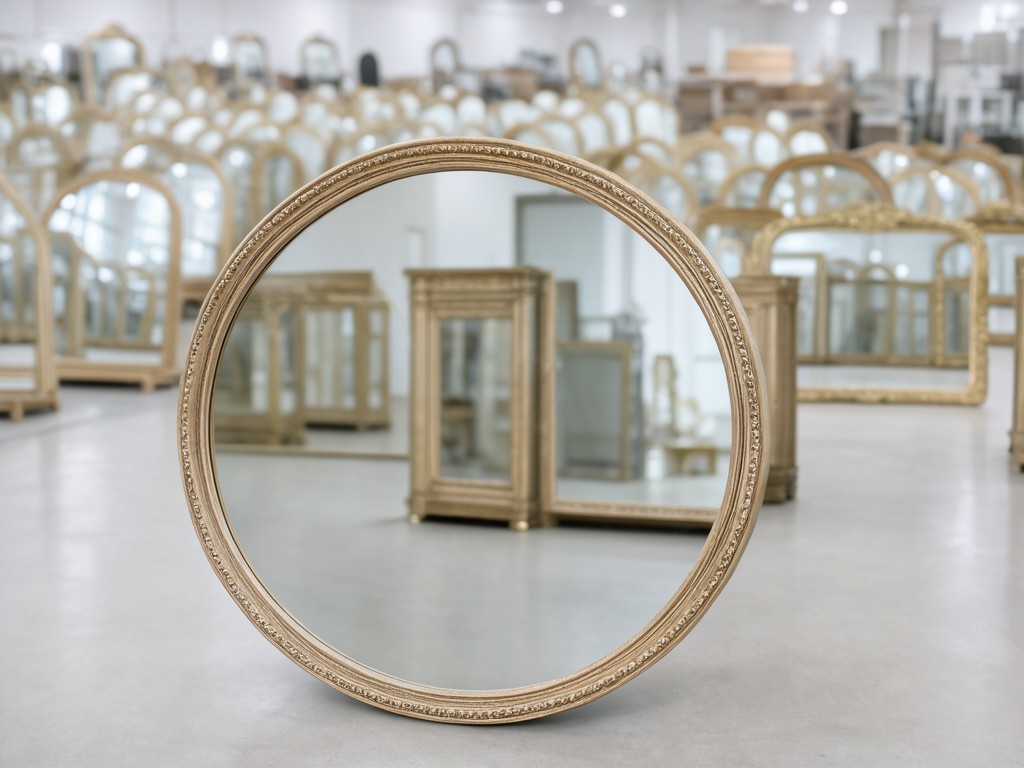
Custom botanical scroll branch mirror Company: Specification, Ordering and Quality Notes
The Problem Buyers Keep Paying For
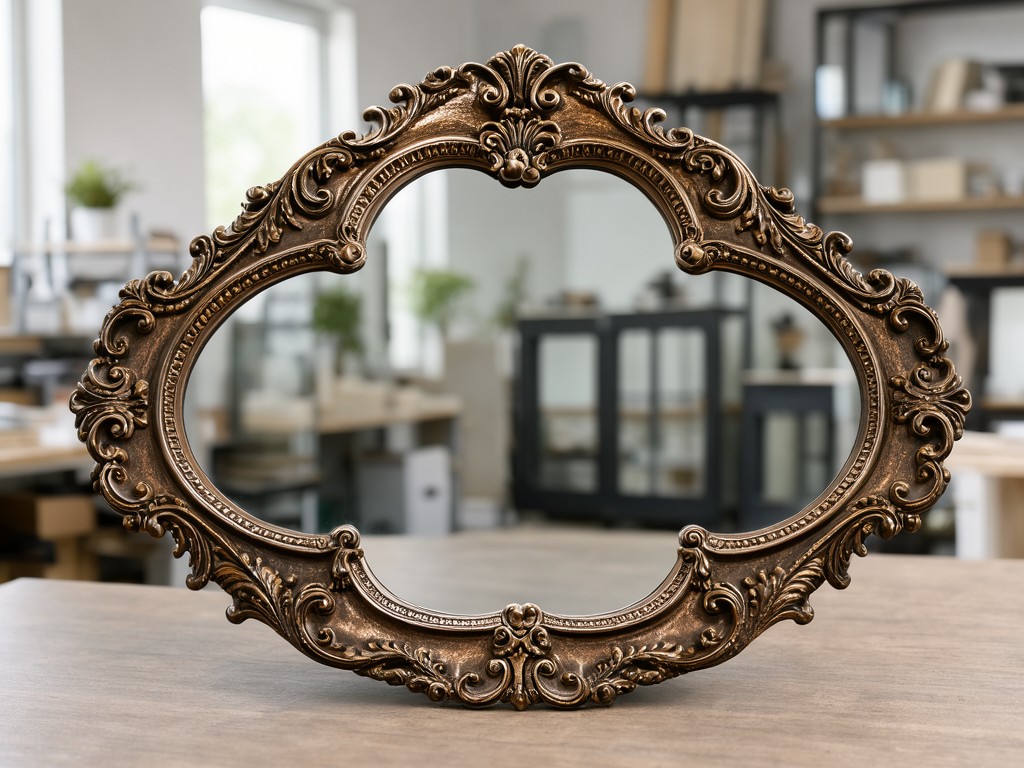
The limiting factor is rarely the headline specification. In mass-produced botanical mirrors, the primary failure point occurs at the junction where high-relief scroll branches meet the primary frame. When the resin casting process lacks sufficient structural reinforcement, the thermal expansion rates between the glass and the frame lead to micro-fractures in the finish. These fractures manifest as silvering delamination, where the reflective coating peels away from the glass substrate within the first twelve months of exposure to high-humidity retail environments.
Distributors often report high return rates due to frame "snapping" during transit. If the internal mounting hardware is not reinforced with high-density polyurethane, the cantilevered weight of the decorative branches exceeds the tensile strength of the material, leading to sheared bolts.
Design Constraints Behind the Specification
| Parameter | Technical Constraint | Manufacturing Impact |
|---|---|---|
| Frame Depth | 30mm–75mm | Increased depth raises mold cycle time and shipping weight. |
| Scroll Complexity | Sub-5mm relief | Higher complexity requires manual de-burring increasing labor costs. |
| Glass Thickness | 4mm–6mm | Thicker glass reduces breakage risk but increases unit cost. |
Specification Range and Customisation Limits
Standard Production Thresholds
Our production line optimizes for dimensions ranging from 400mm to 1200mm in diameter. Beyond 1200mm, the structural integrity of the botanical scrolls requires an internal steel frame, which increases the unit price by approximately 35%. Standard silvering utilizes a vacuum-deposited aluminum layer, which provides resistance to oxidation in coastal markets where air salt content is prevalent.
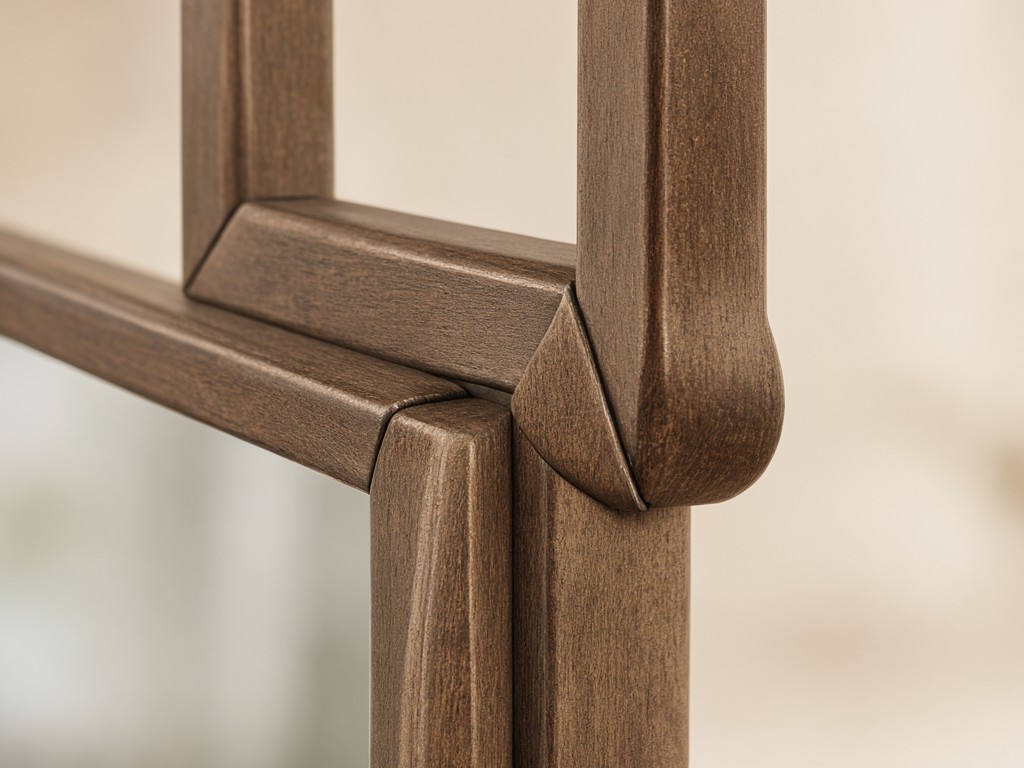
Weight and stiffness trade off against each other. A lighter frame allows for easier retail mounting but reduces the mirror's resistance to impact-induced vibrations which often occur in high-traffic commercial zones.
What Can Be Customised and What Cannot
Customizable Options
- Surface finishes: Antique gold leaf, distressed silver, or matte bronze.
- Frame patterns: Botanical vine vs. geometric scroll variations.
- Custom mounting hardware: D-rings vs. French cleats.
Fixed Constraints
- Base glass reflectivity (Limited to standard float-glass grades).
- Core frame material (Polyurethane resin or high-density MDF).
- Minimum radius of scrolls (Standard CNC-milling limits).
Requirements by Buyer Segment
Private-label buyers prioritize finish consistency and retail packaging. They require custom-foam inserts to prevent the delicate botanical tips from chipping during long-ocean freight. In contrast, distributors often focus on unit-cost-efficiency ratios, seeking standardized sizes that allow for high-volume injection molding without frequent tooling changes.
Club purchasing managers for hospitality sectors demand high-load-bearing hardware. These units must withstand vibration from HVAC systems or nearby foot traffic, ensuring the mirror remains level without loosening the primary mounting screws over time.
Capacity, Tooling and Scheduling
Fatigue appears at the stress concentration. For new botanical designs, the initial tooling phase requires 4 to 6 weeks to account for CNC-machined aluminum-steel molds. Once tooling is validated, our monthly capacity reaches 5,000 units for standard-sized mirrors.
Lead times for bulk orders typically range from 45 to 60 days depending on the complexity of the hand-applied finish. Small-batch production runs under 500 units are subject to a surcharge due to the manual line setup requirements.
Ready to discuss your botanical mirror specifications?
Request a technical quotation and tooling review