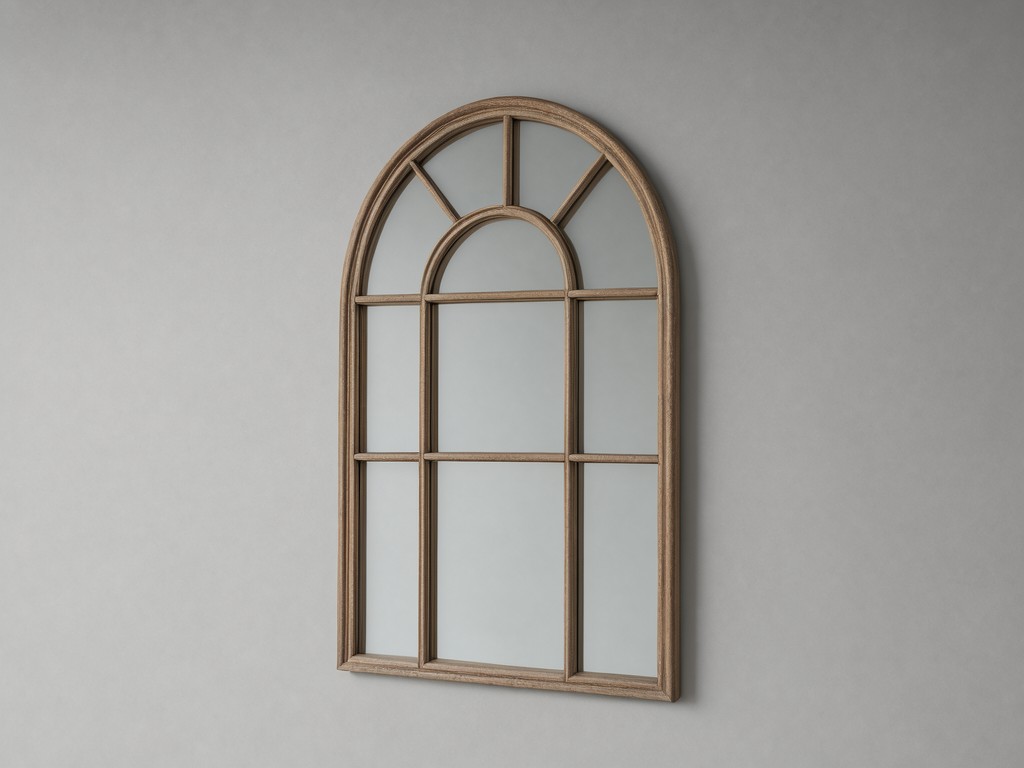
China Diamond Relief Decorative Wall Mirror Factory: What Buyers Should Check Before Ordering
Technical Selection Trade-off
During a private-label launch with a fixed ship date, the structural integrity of the mirror substrate dictates the survival rate during international transit. While 4mm glass reduces freight costs per unit, it significantly increases the risk of fracture at the relief-cut points. Specify 5mm tempered float glass with reinforced backing for retail displays to ensure the pattern remains intact under impact stress.
The Problem Buyers Keep Paying For
Oxidation of the silvered layer is the primary cause of return claims in decorative mirrors. When the moisture barrier fails to seal the glass edges—especially around complex diamond relief cuts—humidity penetrates the reflective coating, leading to black spotting that devalues the entire product batch. This failure often occurs because factories use low-grade backing paints that lack the necessary corrosion resistance for high-humidity environments.
Furthermore, the precision of the relief pattern determines the optical clarity of the mirror. If the CNC glass cutting tools are not calibrated, the edges of the diamond patterns will exhibit stress fractures, which eventually propagate into full cracks under temperature fluctuations. Procurement officers must prioritize factories that utilize vacuum-edge cutting technology to maintain the mechanical strength of the decorative geometric patterns.
Option Comparison by Usage Level
| Feature | Residential Grade | Commercial/Hospital |
|---|---|---|
| Glass Thickness | 4mm Standard Float | 5mm-6mm Tempered Glass |
| Backing Protection | Standard Paint | Anti-oxidant Epoxy Resin |
| Relief Material | Molded MDF | Reinforced Alloy or Solid Resin |
Buying Mistakes That Lead to Returns
Ignoring the dimensional tolerances of the relief pattern often results in misalignment during bulk installation. If the factory allows a variance of more than ±2mm across units, the diamond patterns will not align when installed in multi-wall configurations. This inconsistency is particularly common in low-cost facilities that use manual-cutting instead of automated CNC-driven processes.
Another frequent error is overlooking the mounting hardware compatibility. Decorative mirrors with relief work are often heavier than standard flat mirrors; if the provided hanging brackets are not rated for the specific load of the reinforced glass and frame assembly, hardware failure occurs, leading to safety liabilities.
Customisation Options and Their Limits
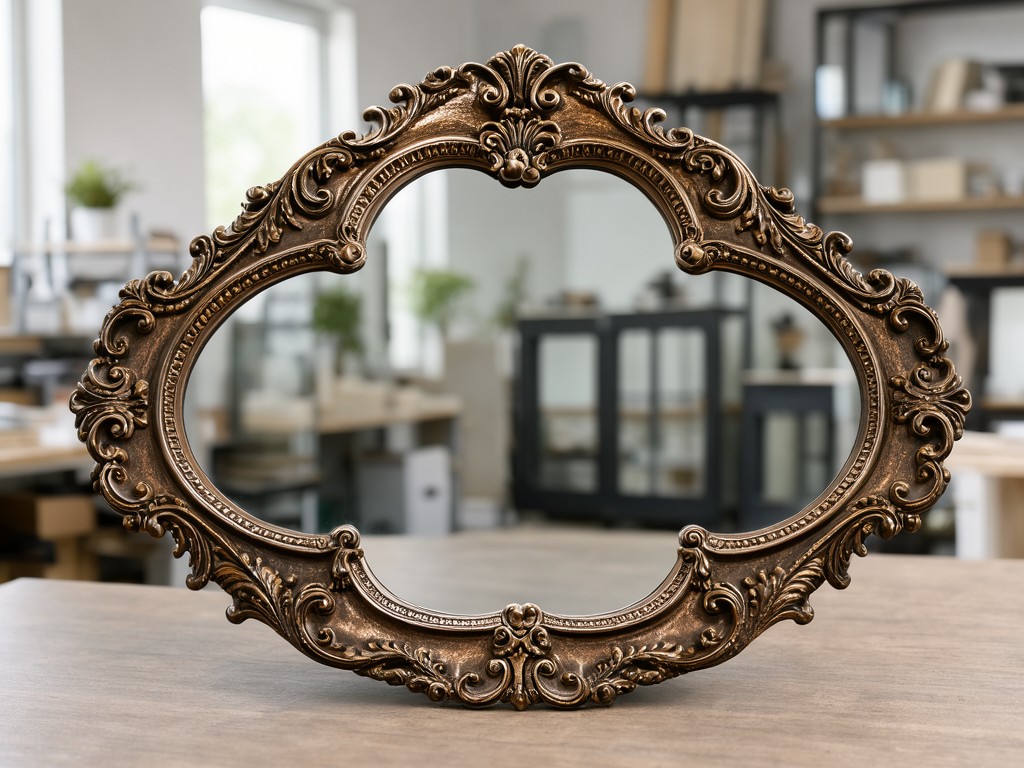
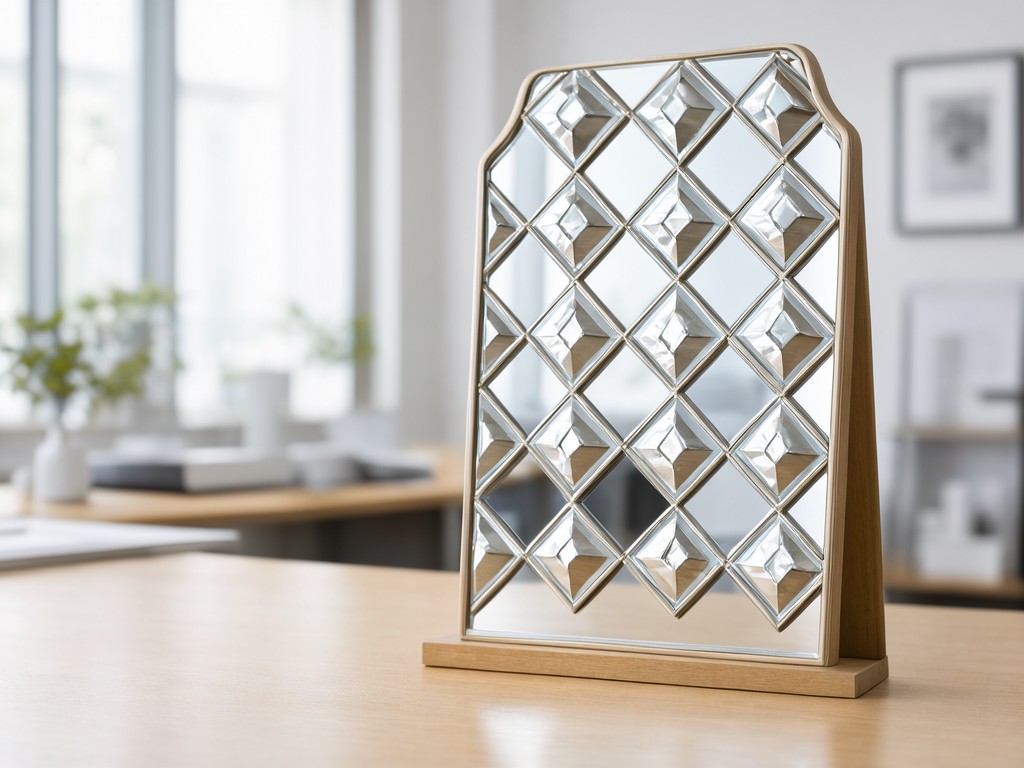
Factories can offer various diamond relief styles, ranging from acid etching to 3D-molded frames. However, the complexity of the pattern directly impacts the initial tooling cost and the scrap rate. Deep-relief patterns provide better visual depth but weaken the glass substrate, requiring specialized handling during the silvering process.
Surface Finishes
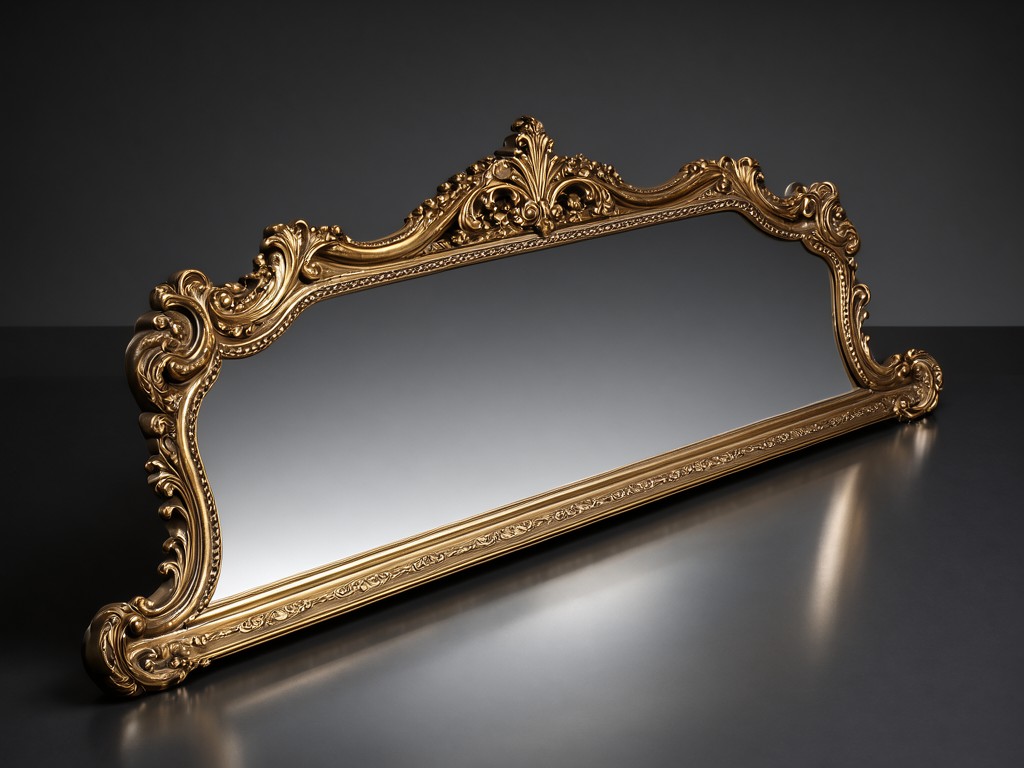
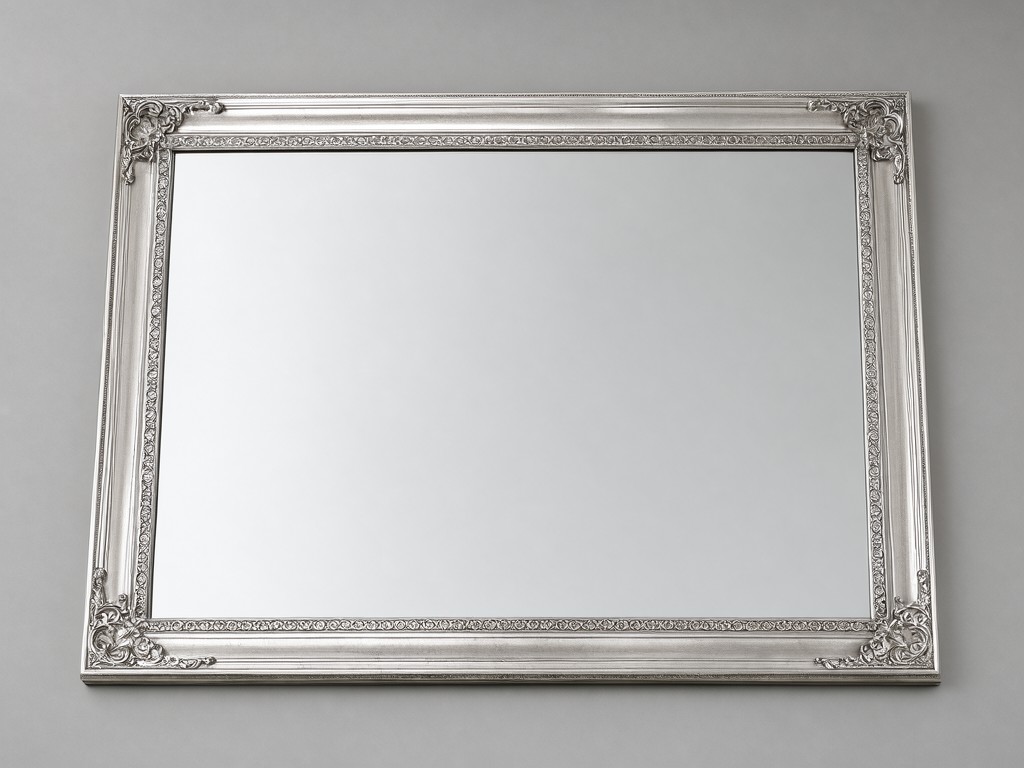
Available finishes include electroplated gold, bronze, and antique silvering for the relief frames. Note that electroplated finishes are more susceptible to abrasion during transit compared to powder-coated alternatives, necessitating upgraded foam-density packaging.
Working as a Production Partner, Not Catalogue Supplier
A true production partner integrates your brand's technical requirements into the manufacturing workflow. For OEM buyers, this means being able to specify the exact reflective coating composition and the density of the protective backing before the first run begins. This proactive approach ensures that the aesthetic intent remains consistent across multiple production cycles over several fiscal years.
Discuss your specific project requirements with our engineering team.
Quality Control and Batch Consistency
Batch consistency is maintained through rigorous testing of the silvering adhesion and the dimensional stability of the relief frames. We utilize standardized protocols to ensure that every mirror produced matches the initial approved sample in terms of optical clarity and edge tensile strength.
| Test Method | Acceptance Criteria | Frequency |
|---|---|---|
| Salt Spray Test | No visible oxidation after 48h | Per raw material batch |
| Dimensional Check | ±1.5mm tolerance | 100% of units |
| Adhesion Test | No coating delamination | Random sampling |
Capacity, Tooling and Scheduling
Production capacity is scaled based on the complexity of the diamond relief-cutting tooling. For custom designs, tooling development typically requires 15 to 21 days for mold creation or CNC programming. Once tooling is established, our assembly lines can process upwards of 5,000 units per month, depending on the glass specifications and specialized coating requirements.