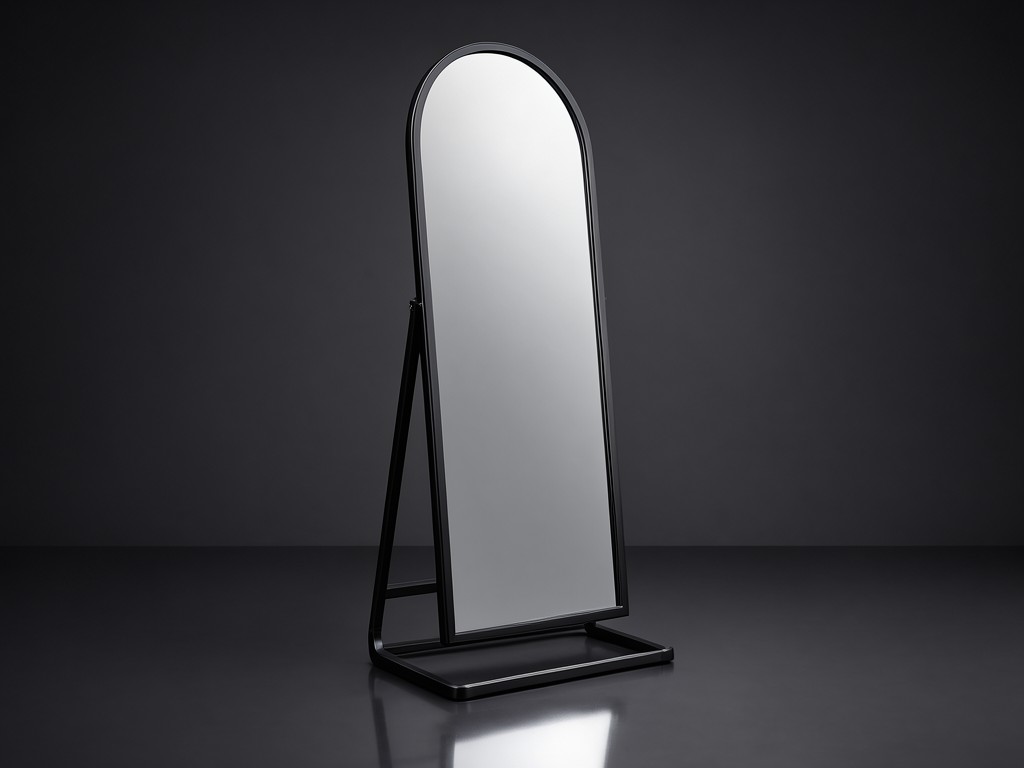
oem arched black floor mirror full length manufacturer - Bulk Supply and Guide
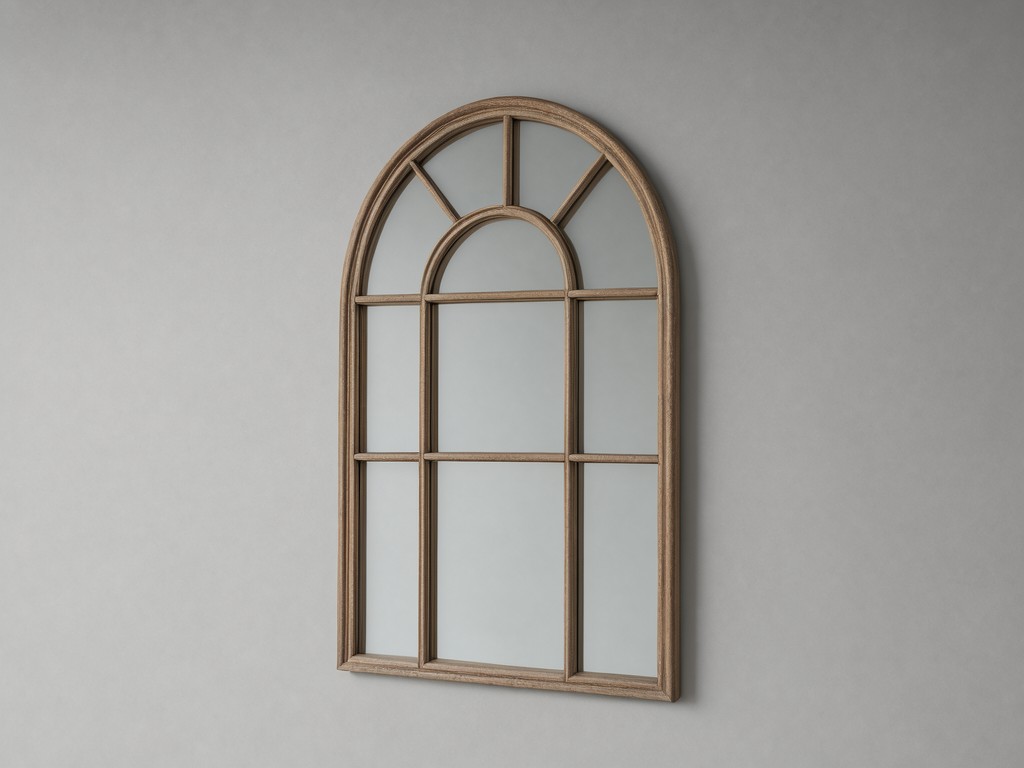
Cost and durability pull in opposite directions once when sourcing large-format arched mirrors for retail distribution. Bulk buyers often prioritize thinner glass to reduce shipping weight, but this frequently leads to structural bowing or catastrophic failure during high-temperature transit. Our manufacturing process utilizes 5mm tempered glass to ensure the arched geometry maintains its integrity under the weight of the frame without flexing.
We use reinforced high-density frames to prevent the warping common in cheaper MDF alternatives.
Structural Integrity Logistics
The primary failure point in full-length mirrors is the tension point where the arch meets the vertical side rails. By employing a deep-channel aluminum profile, we distribute the mechanical load evenly across the glass surface, preventing micro-fractures that occur in high-traffic retail environments.
Where Cheaper Alternatives Fall Short
Low-cost manufacturers often utilize standard silver-backing that is prone to oxidation, resulting in unsightly black spots along the glass edges when exposed to high-humidity environments. Our mirrors utilize a multi-stage silvering process followed by a protective barrier coating to ensure the reflective surface remains clear for several years.
Frame finishes on budget units are typically thin spray paints that peel or chip under minor impact. We utilize an industrial-grade electrostatic powder-coating that bonds chemically to the substrate, providing a matte black finish that survives repeated handling and installation.
Specification Range and Customisation Limits
Standard production runs center around 1800mm x 600mm, but our tooling accommodates custom arch radii to match specific brand aesthetic requirements. The frame thickness can vary from 15mm for minimalist profiles to 40mm for statement pieces, depending on the desired visual weight of the product.
Glass thickness is fixed at 4mm or 5mm to maintain safety standards for floor-standing units. Thinner glass is not offered for this format as it increases the risk of structural fatigue during long-term warehouse storage.
How Consistency Is Held Across Batches
Maintaining lot-to-lot consistency in black pigment is the most frequent challenge for private-label importers. We utilize batch-controlled pigment mixing to ensure that an order placed in Q1 matches the finish of a replenishment order, preventing color mismatches in showroom displays.
Dimensional tolerances are kept within a ±2mm margin across the entire assembly. This ensures that when a retailer installs multiple units side-by-side, the frames align perfectly without gaps.
Inspection Items and Test Methods
| Usage Condition | Typical Failure | Prevention Specification |
|---|---|---|
| High humidity environments | Silvering oxidation/black spots | Moisture-resistant silver backing coating |
| High-impact transport | Edge flaking or chipping | Industrial-grade powder coating on aluminum |
| Long-term structural stress | Glass bowing or cracking | 5mm tempered safety glass |
Capacity, Tooling and Scheduling
Our facility maintains a capacity of 5,000 units per month for standard arched configurations. For custom frame profiles requiring new molds, we require a 3-week tooling lead time to account for CNC programming and prototype validation before mass production begins.
Standard orders are typically fulfilled within a 30-day window following sample approval. This allows importers to manage inventory levels without significant stock-outs.
Keeping Repeat Orders Supplied
Reliable supply chains depend on transparency regarding the manufacturing timeline. We provide digital tracking of production batches and detailed technical specifications for every shipment, ensuring your procurement team has accurate data before the container even arrives.