custom upholstered full body mirror supplier - Bulk Supply and Specification Guide
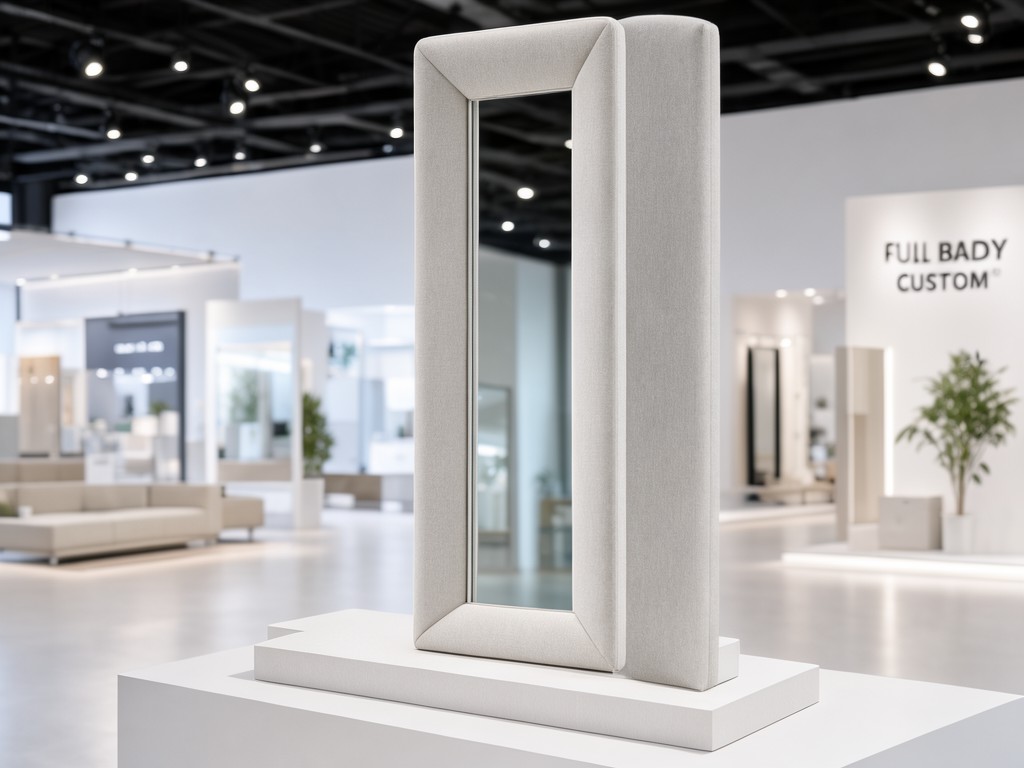
The primary trade-off in upholstered mirrors involves the foam density versus the retail price point. Using 18kg/m³ foam often leads to visible sagging within twelve months in high-traffic environments, whereas 30kg/m³ high-density foam maintains the profile and prevents fabric ripples for years of use.
Construction Method and Its Effect on Consistency
Structural integrity in a full body mirror depends on the mechanical bond between the glass substrate and the internal frame. We utilize high-tack solvent-based adhesives to secure the mirror to the MDF or plywood core. This method prevents the glass from shifting or vibrating during transport, which is the leading cause of silver-layer degradation at the edges over time.
The upholstery application also determines the longevity of the aesthetic finish. If the foam is merely glued without a tensioned wrap, the fabric will eventually pull away, creating unsightly bunching. Our production line employs a tension-stapling technique on the rear face of the frame. This ensures the fabric remains taut even after repeated physical pressure from the end-user.
Environmental factors during manufacturing also impact the frame stability. Low-grade wood can warp in high humidity, causing the glass to crack under stress. We specify moisture-resistant MDF for the frames to ensure the mirror remains perfectly flat regardless of seasonal climate shifts.
Where This Product Beats Standard Alternatives
Standard thin-framed mirrors lack a protective buffer against accidental impact. In commercial settings, the upholstered border acts as a shock absorber, distributing energy across the frame. This significantly reduces the return rates associated with shattered glass in retail environments where mirrors are frequently bumped by furniture.
Tactile perception is another value point that metal or plastic frames cannot match. The fabric surface provides a premium finish that hides the raw construction of the mirror backing. This allows luxury brands to position the product at a higher price point without increasing the cost of internal components.
How to Choose Before Requesting a Quote
Buyers must balance the weight of the unit against the required glass thickness. A 4mm mirror is standard for residential use, but 6mm safety glass is necessary for public spaces where impact resistance is a safety requirement. The weight difference affects both shipping costs and the hardware required for wall-mounting.
| Parameter | Specification | Commercial Benefit |
|---|---|---|
| Glass Thickness | 4mm - 6mm Safety Backed | Reduced liability and injury risk |
| Foam Density | 25kg/m³ - 35kg/m³ | Prevents fabric sagging and fabric deformation |
| Frame Material | Moisture-resistant MDF | Dimensional stability in humid climates |
Customisation Options and Their Limits
Fabric selection is limited by the Martindale rub count. For high-volume retail, we recommend fabrics with a rating of over 30,000 cycles to prevent pilling and thinning. Velvet and synthetics with lower counts are suitable for decorative use but will show wear quickly if touched frequently.
Frame geometry is constrained by the structural span of the glass. Oversized mirrors exceeding 200cm require internal ribbing to prevent bowing, which increases the thickness and profile of the upholstered unit.
| Material Type | Technical Rating | Best Application |
|---|---|---|
| Polyester Blend | 50,000+ Martindale | High-traffic retail |
| Natural Velvet | 20,000+ Martindale | Luxury hospitality |
| Linen Texture | 15,000+ Martindale | Boutique decor |
Questions Ask Before Ordering
Can the mirrors handle high-humidity environments?
Moisture causes oxidation of the mirror silvering. We use moisture-resistant glass and sealed-edge frames to mitigate black spot formation in bathrooms or coastal environments.
What is the weight capacity for floor-standing units?
The capacity depends on the bracket hardware. Standard heavy-duty steel brackets support units up to 40kg, provided the floor is level and stable.
Is there a lead time for custom foam densities?
Standard foam is in stock. Sourcing ultra-high-density 40kg/m³ foam adds 14 days to the production cycle due to procurement and testing requirements.
Ready to discuss technical specifications for your private-label upholstered mirror line?
discuss your project requirements with our engineering team






