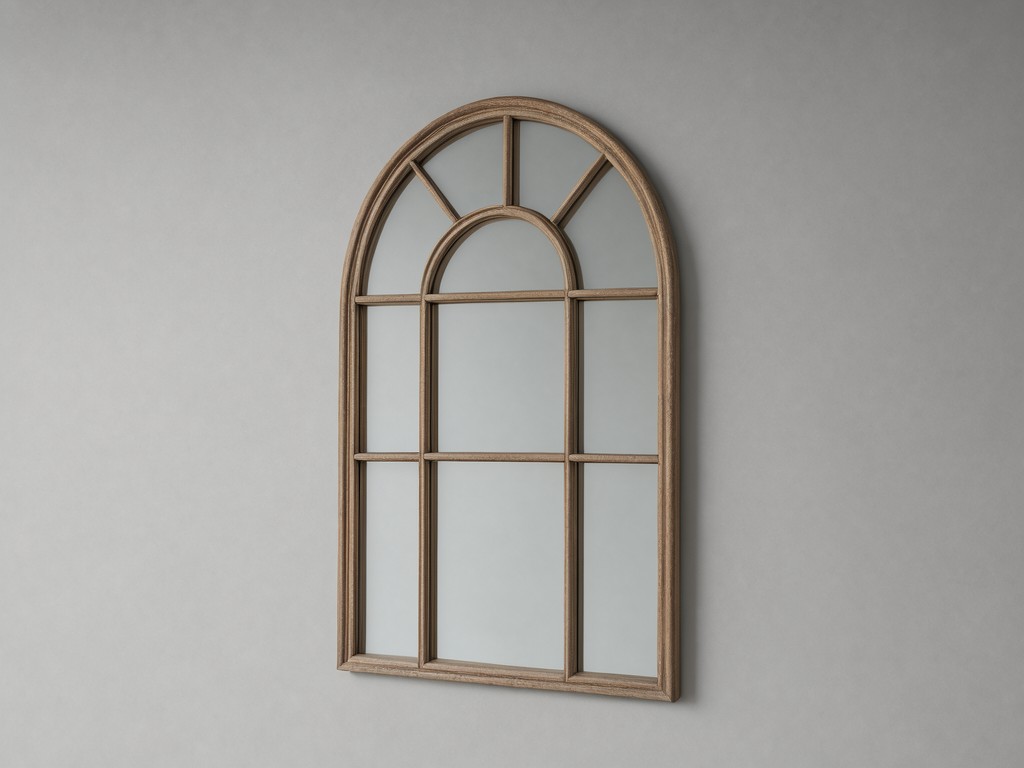
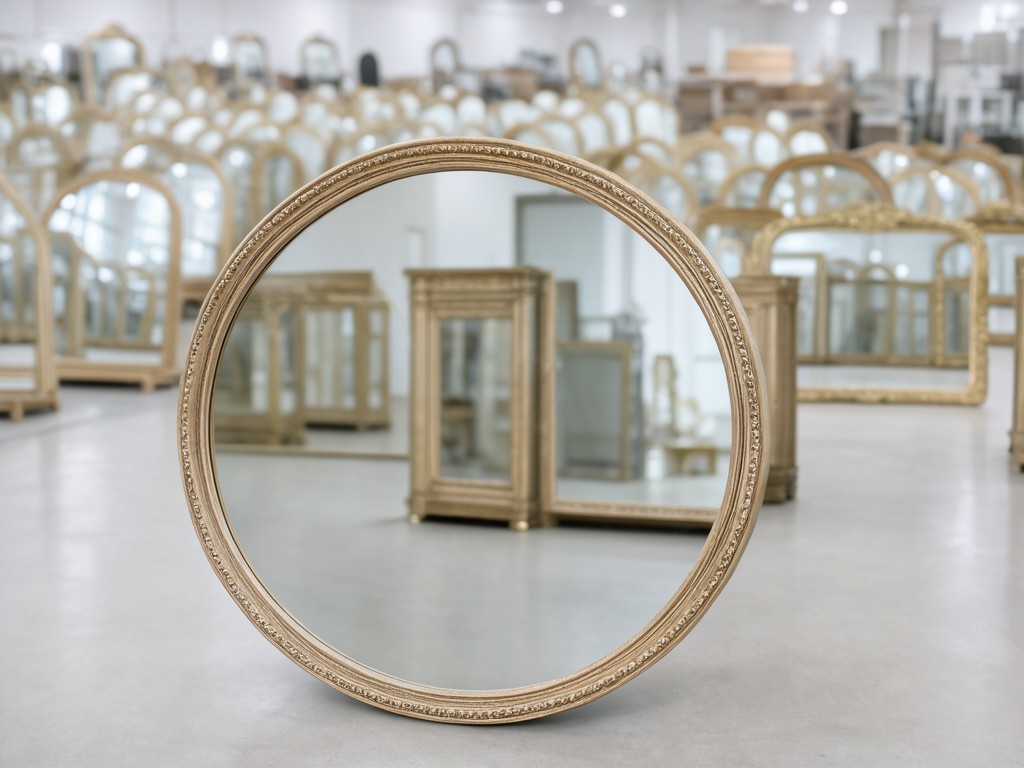
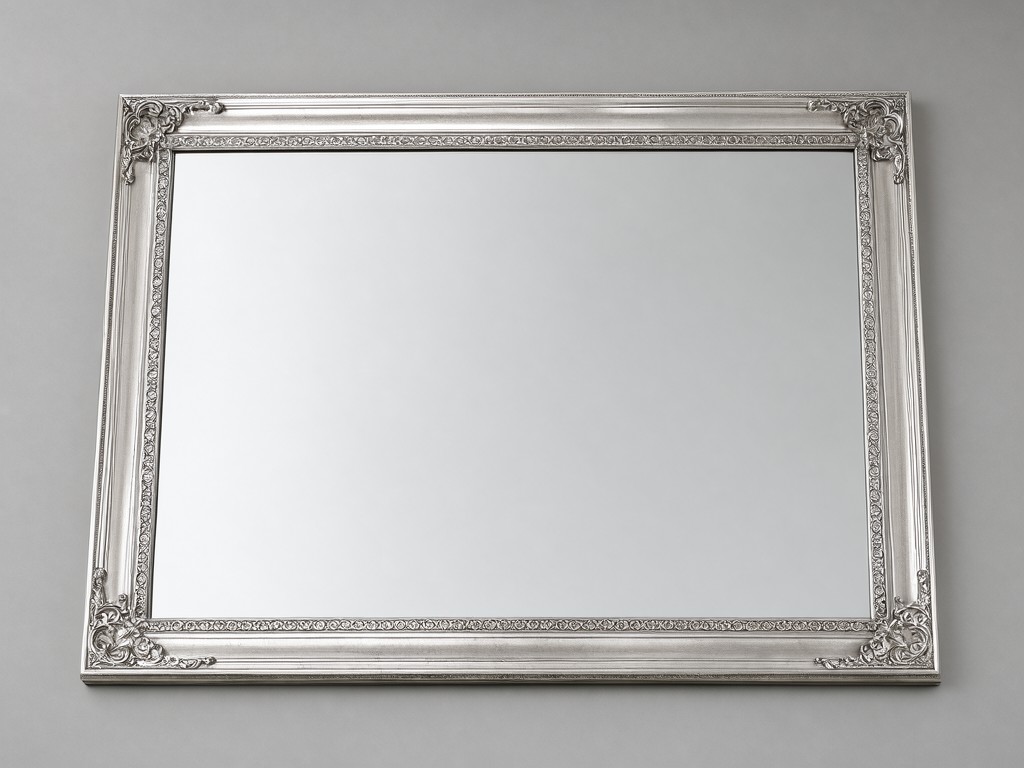
Custom Full Body Dressing Mirror Manufacturer: Specification, Ordering and Quality Notes
Optical Stability vs. Weight Logistics
Selecting 4mm glass reduces shipping weight by 15% per unit but increases the risk of optical distortion if the frame experiences flex. 6mm float glass eliminates distortion but requires reinforced structural supports and increases freight costs.
Design Constraints Behind the Specification
When a brand extends an existing range, the primary challenge is maintaining dimensional tolerance across different production batches. Variations in MDF thickness by even 0.5mm can lead to misalignment in pre-drilled hardware holes, resulting in uneven gaps during final assembly. The structural rigidity of the frame dictates the maximum span of the mirror glass; a thin aluminum profile cannot support a 6mm sheet without causing a "funhouse effect" where the reflection appears bowed at the edges.
Moisture resistance represents another critical factor in the silvering process. In mirrors intended for high-dew-point environments, standard silvering often fails, leading to black spotting at the edges within 12 months of typical humidity cycles. To mitigate this, we utilize a multi-layer epoxy coating applied over the copper-silver layers, which creates a barrier against oxygen and water vapor.
Where This Product Beats Standard Alternatives
During a private-label launch with a fixed ship date, the reliability of the adhesive bond determines the return rate. Many mass-market manufacturers use generic adhesives that delaminate when the glass is subjected to rapid temperature fluctuations. Our manufacturing process employs neutral-cure silicone that maintains a constant shear strength, ensuring the glass remains bonded even when surface temperatures vary between -10°C and 40°C.
Hardware selection is often the first point of failure in retail-grade mirrors. Standard zinc-alloy hinges frequently strip their threads after 500 operations. We specify cold-rolled stainless-steel hardware with a rated life of 10,000 cycles, which significantly extends the warranty-claim window for the end-user.
Comparing Two Standard Configurations
| Feature | Standard MDF-Frame Kit | Reinforced Aluminum-Frame |
|---|---|---|
| Glass Thickness | 4mm Float Glass | 6mm Tempered Glass |
| Frame Material | Particle-board MDF | Anodized Aluminum |
| Optical Clarity | Subject to edge distortion | Zero-distortion rating |
| Weight Class | Low (8-12kg) | Medium (14-18kg) |
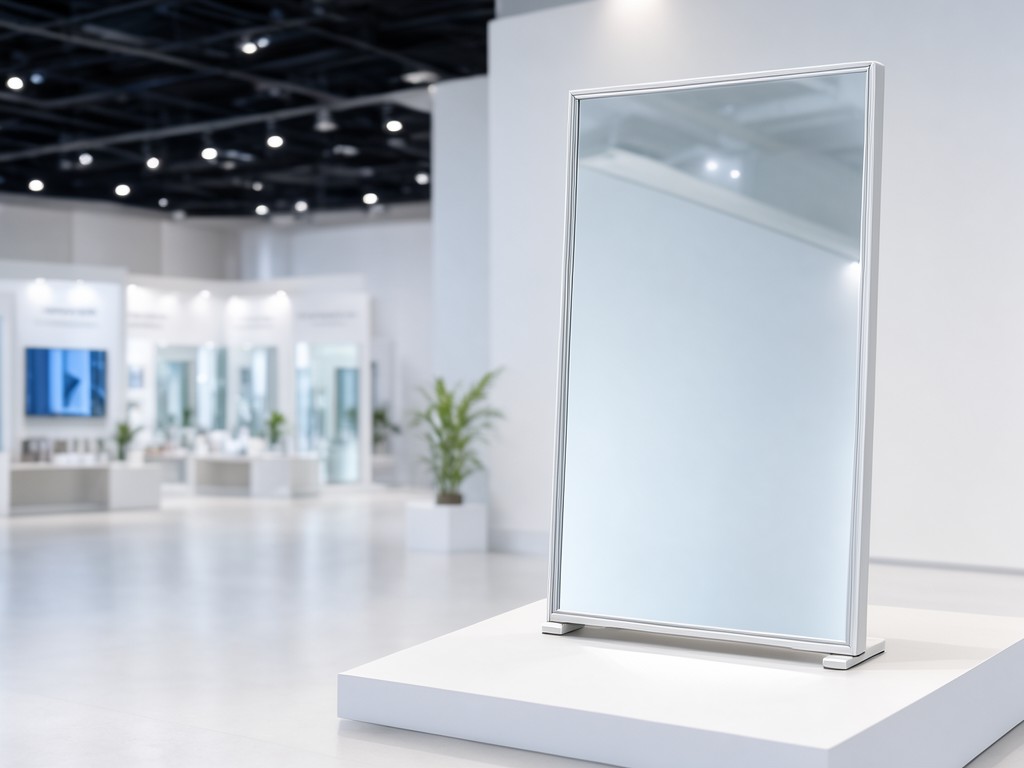
How to Choose Before Requesting a Quote
On a programme that reorders twice a season, the logistics of packaging are often as important as the unit price. A mirror that is $5 cheaper but arrives with a 5% breakage rate due to insufficient internal bracing is the more expensive option. We offer custom-density foam inserts and double-wall corrugated outer boxing to keep the transit damage rate below 0.5%.
Hardware Compatibility
The mounting mechanism must match the installation environment. For high-traffic retail environments, a French cleat system is preferred as it distributes the load across multiple wall points. For residential tilt-mounted mirrors, adjustable D-ring brackets are sufficient, provided the brackets are rated for the specific weight of the glass to prevent sagging over time.
What Gets Checked Before Shipment
Quality control at the factory focuses on visual uniformity and structural integrity. We perform a light-box inspection to identify silvering bubbles or surface scratches that would be visible under standard ambient light. Dimensional checks ensure that every unit in the batch fits the retail packaging specifications perfectly.
| Test Method | Acceptance Criteria | Tolerance |
|---|---|---|
| Optical Distortion Test | No visible waviness at 2m distance | ±0.5% variance |
| Drop Test | No structural cracks after 1m drop | Pass/Fail |
| Dimensional Check | Length/Width match spec sheet | ±2mm |