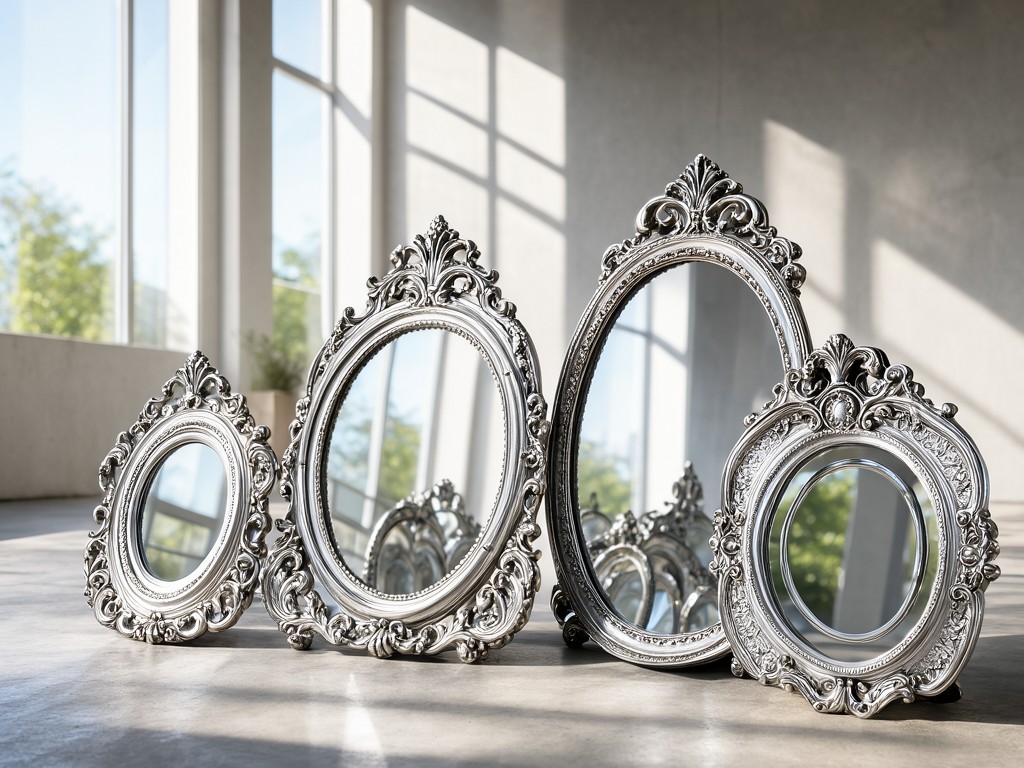
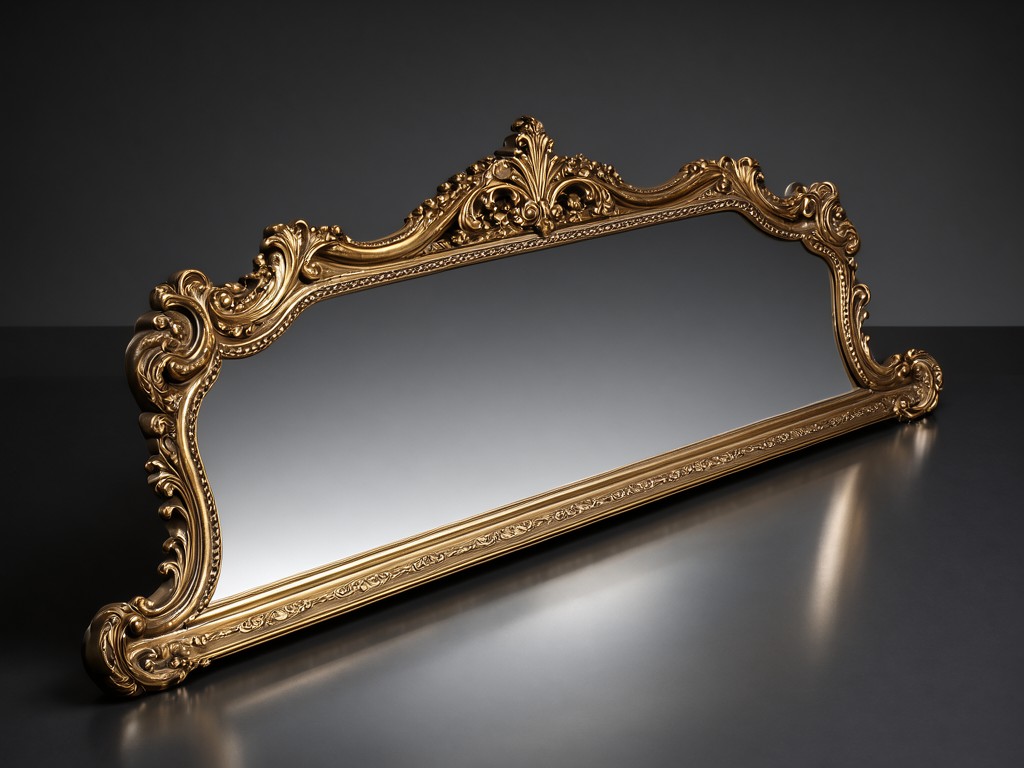
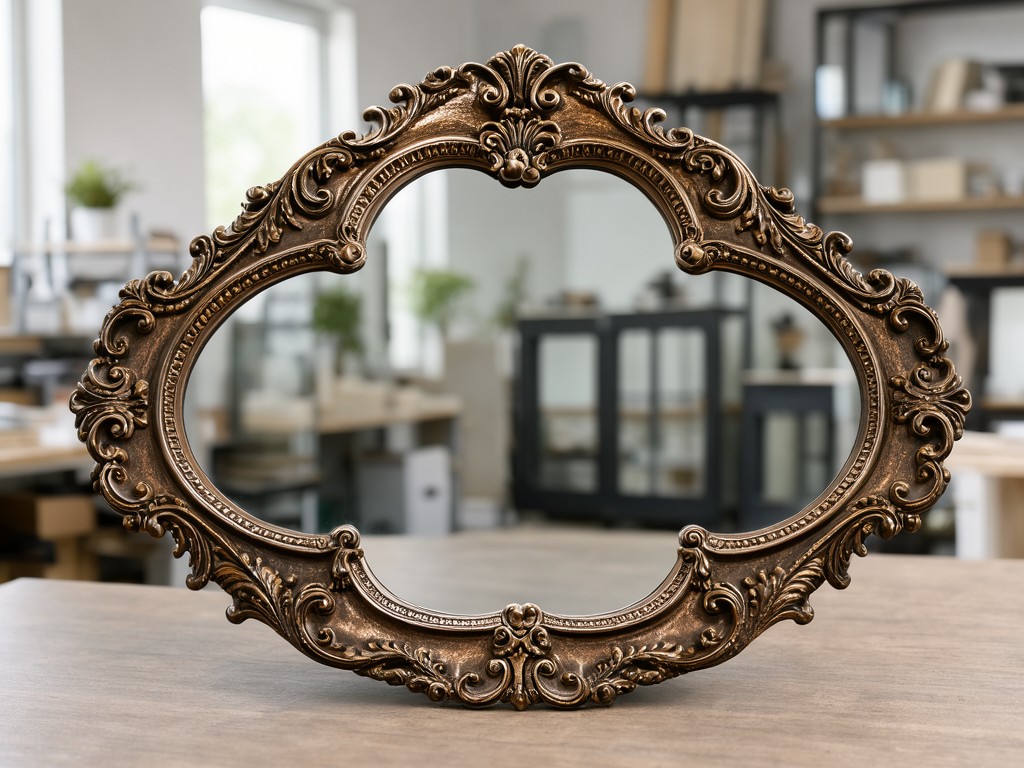
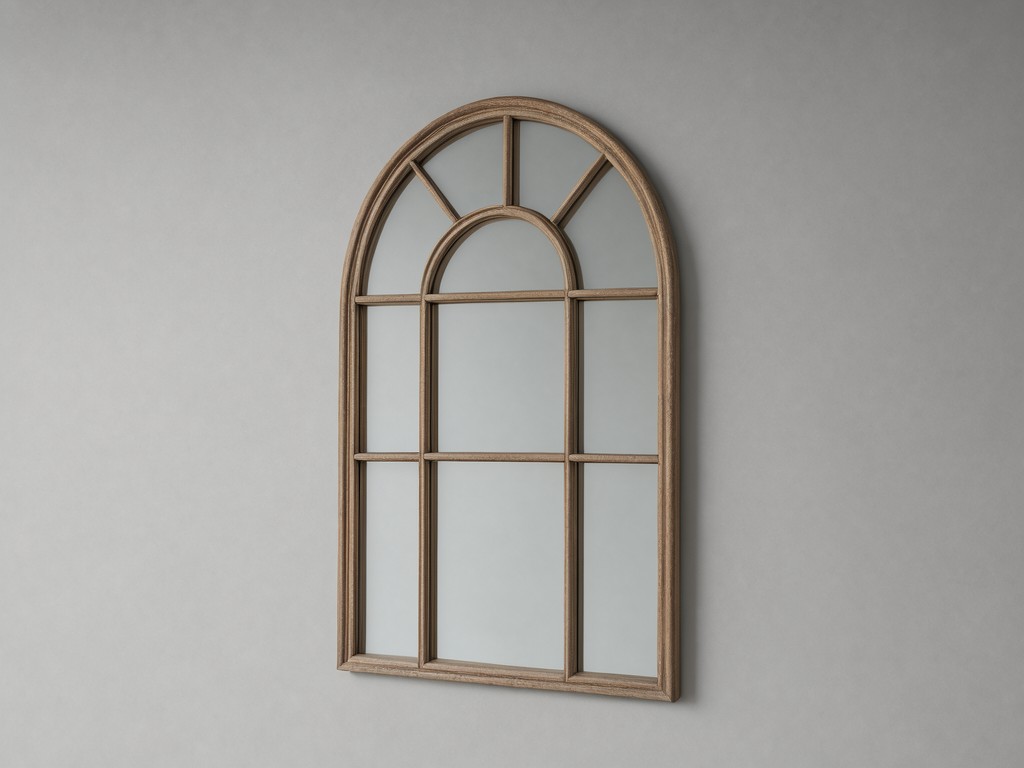
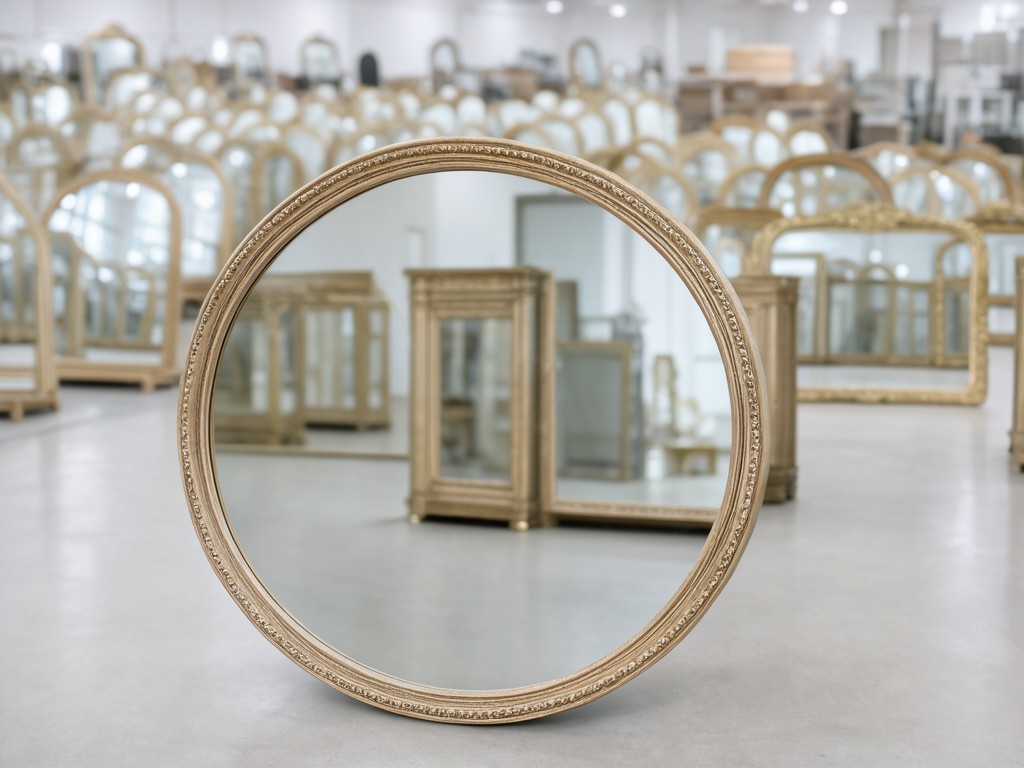
China Vintage Full Length Wall Mirror Exporter: What Buyers Should Check Before Ordering
What the Design Has to Balance
| Parameter | Technical Specification |
|---|---|
| Glass Thickness | 4mm to 6mm silvered float glass |
| Frame Material Options | Solid wood, MDF, or high-density resin |
| Backing Protection | Anti-cor PU foam or moisture-board |
| Load Capacity | Up to 25kg depending on mounting hardware |
Wear shows up at the same point every season, specifically through the oxidation of the mirror silver in high-humidity environments. When wholesale buyers source vintage-style mirrors, the aesthetic frame often masks the chemical composition of the silvering layer. A multi-layer copper-based coating prevents the formation of black spots that plague lower-grade imports in coastal retail markets. The structural integrity must balance the weight of the ornate frame against the tensile strength of the glass to prevent stress-fractures during transit vibrations.
Materials and Construction Trade-offs
The complaint that repeats across reorders involves the warping of synthetic frames under fluctuating temperature conditions. While MDF allows for a significantly lower unit price and enables more intricate CNC molding, it lacks the dimensional expansion stability of solid wood. Solid wood frames like teak or oak provide better resistance to moisture but increase the shipping weight and, consequently, the freight cost per unit.
Surface Finish Stability
Electrostatic painting offers a more uniform layer than hand-applied spray paint. For vintage-look finishes, gold leaf application provides an authentic texture but remains prone to abrasion at the edges during repeated handling. Choosing a metallic-rub finish with a high-flex clear topcoat reduces the return rate for high-traffic hotel applications.
Matching the Product to the Buyer's Need
Boutique Retail
Focuses on solid wood construction and hand-carved details. These units prioritize tactile quality and long-term durability for high-end residential projects where the price point justifies material authenticity.

Mass-Market Wholesale
Utilizes cast resin frames and standardized 4mm glass. This configuration optimizes for weight-reduction and cost-efficiency in large-scale developments or hospitality chains.
Who Uses It and Where It Matters
Returns usually trace back to the same weak point: the mounting hardware. Large-scale residential developers require mirrors with integrated D-ring brackets that ensure the weight is distributed across multiple wall studs. In the hospitality sector, the failure of the backing material to adhere to the glass causes delamination, necessitating an industrial-grade PU adhesive that remains flexible under varying temperature cycles.
Segment-Specific Requirements
Coastal regions demand a specific de-oxidation treatment on the mirror back edge to resist salt-air corrosion. For indoor commercial use, the focus shifts to the impact resistance of the glass edges. A tempered glass option reduces the risk of shattering if the mirror sustains an accidental impact, which is critical for public-facing retail environments.
Volume Planning and Lead Time
| Order Volume | Lead Time | Tooling Impact |
|---|---|---|
| Sample Order (1-50 units) | 21-30 Days | Existing molds used |
| 100-500 units | 35-45 Days | Standard production line flow |
| 500+ units | 60+ Days | Custom tooling amortisation applied |
Amortizing the cost of custom vintage frames requires higher volume thresholds to maintain competitive pricing. Larger batches reduce the per-unit cost of the CNC carving and hand-painting phases. For specific technical requirements or custom frame dimensions, request a detailed quotation review.