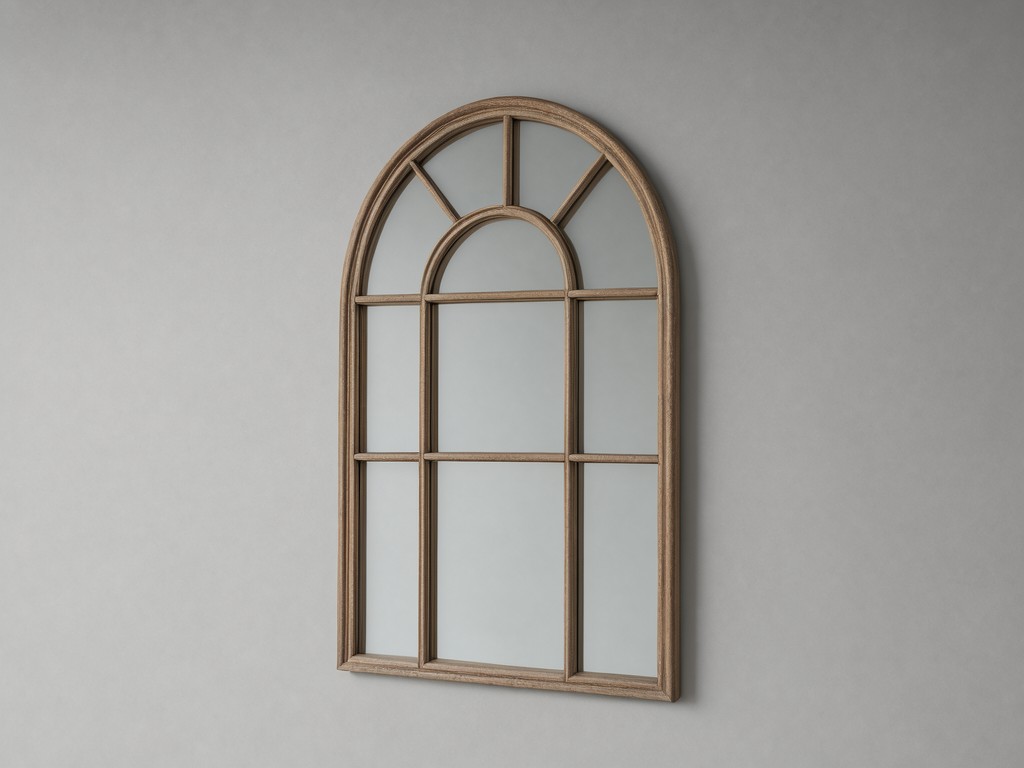
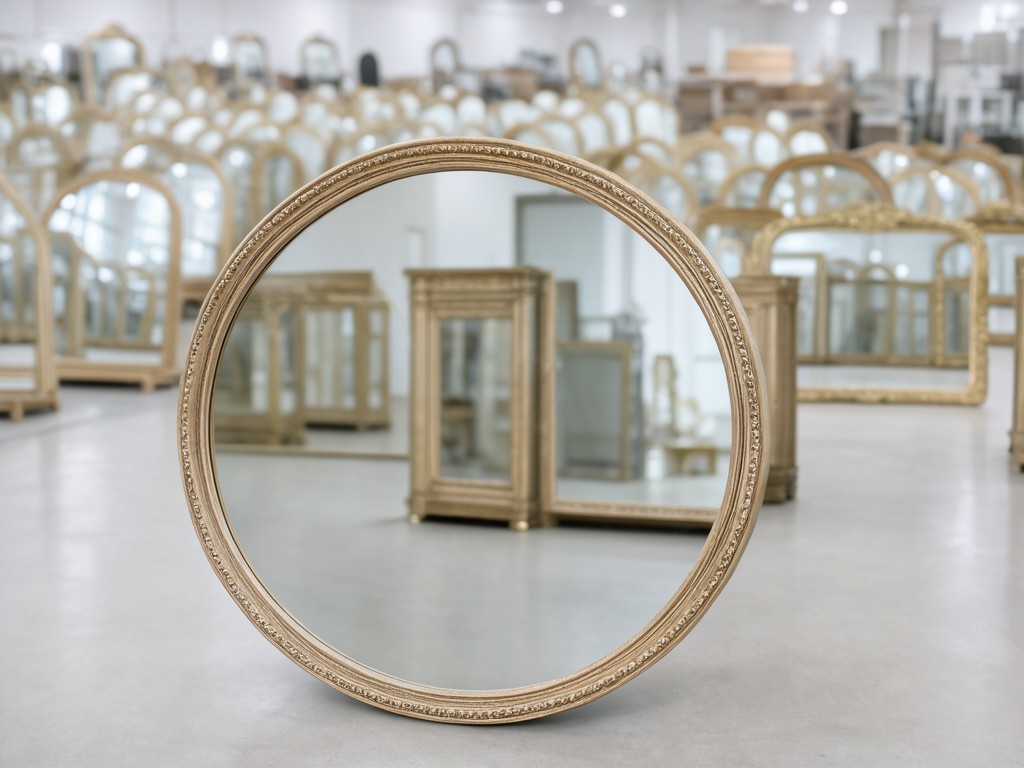
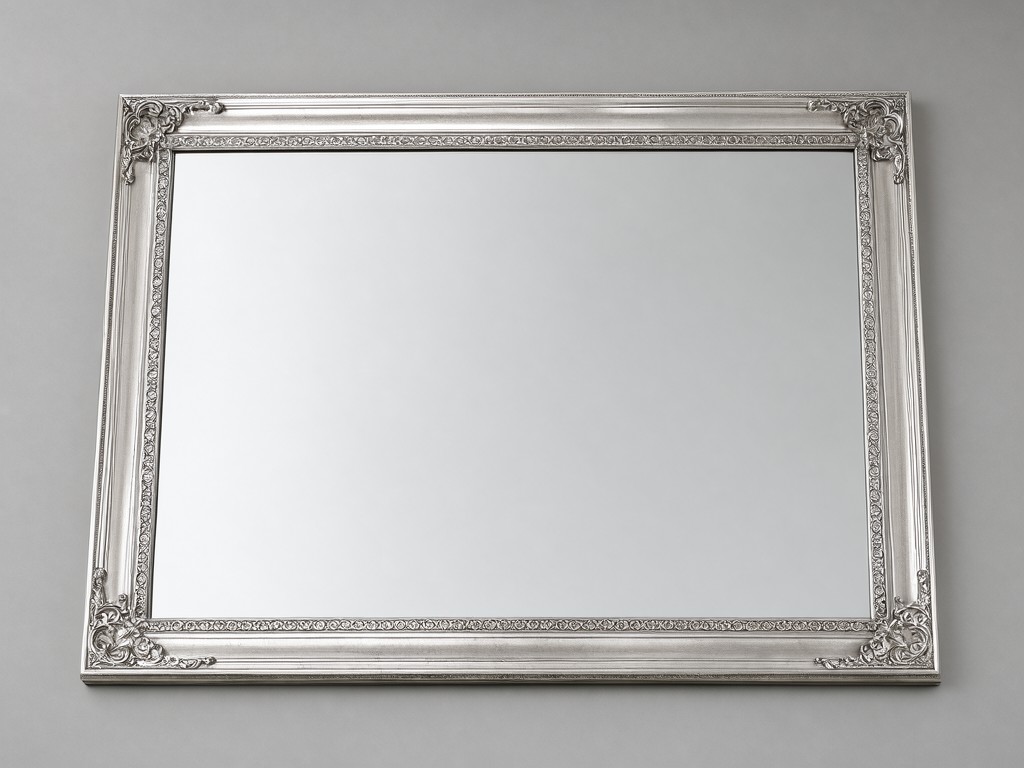
b2b leaning full length entryway exporter - Bulk Supply and Specification Guide
Matching the Product to the Buyer's Need
Tooling Amortisation and Material Selection
Tooling amortisation decides the entry price point for custom-cut frame profiles. When selecting between high-density MDF (Medium Density Fiberboard) and solid pine, procurement officers must weigh the weight-bearing capacity against material costs. MDF offers superior dimensional stability in high-humidity retail environments, which prevents the warping often seen in lower-grade solid wood alternatives during seasonal shifts.
The glass thickness directly dictates the safety profile and shipping weight. A 5mm tempered glass specification provides impact resistance for high-traffic retail zones, though it increases the unit weight by approximately 1.2kg compared to 4mm standard glass. For private-label brands, the 4mm tempered option often hits the optimal balance between structural integrity and competitive retail-per-market pricing.
Usage Scenarios and Buyer Segments
Replacement rate, not unit price, dictates the long-term margin on high-volume retail floor stock. Hospitality-grade mirrors require reinforced silvering to prevent oxidation in humid bathroom environments, whereas consumer-facing entryway mirrors prioritize aesthetic finish and ease of assembly.
| Segment | Primary Specification | Critical Metric |
|---|---|---|
| Mass Retail | 4mm Tempered / MDF Frame | Assembly time per unit |
| Boutique Luxury | 6mm Tempered / Solid Wood | Edge- resistance |
| Hospitality | Moisture-resistant Backing | Silvering cycle life |
How Consistency Is Held Across Batches
Total cost of ownership shifts once returns are counted, particularly regarding glass deamination in humid storage environments. Our production process utilizes a multi-stage silvering technique with a moisture barrier coating to eliminate common black spotting at the mirror edges. This ensures that the optical clarity remains consistent across the entire production run of a specific order.
- Dimensional tolerance is maintained within ±2.0mm across height and width to ensure uniform retail racking.
- Frame flatness is verified via light gauges to prevent visual optical distortion when the mirror is leaned.
- Weight distribution-center-of-gravity points are calibrated to ensure stability without de-stabilizing brackets.
Volume Planning and Lead Time
Standard Production
Orders between 500 and 2,000 units typically follow a 35-45 day lead time. This accounts for the glass-cutting cycle and the curing time for the frame-bonding adhesives, which require 48 hours to reach full structural shear strength.
Custom Scale Orders
Volumes exceeding 5,000 units require a dedicated production allocation. Lead times extend to 60 days to allow for bulk raw material procurement of specific timber grades or custom-molded aluminum frame profiles.
Export Packaging and Handling Protection
| Protection Layer | Specification | Function |
|---|---|---|
| Primary Wrap | EPE Foam (20mm) | Prevents surface abrasion and vibration chips |
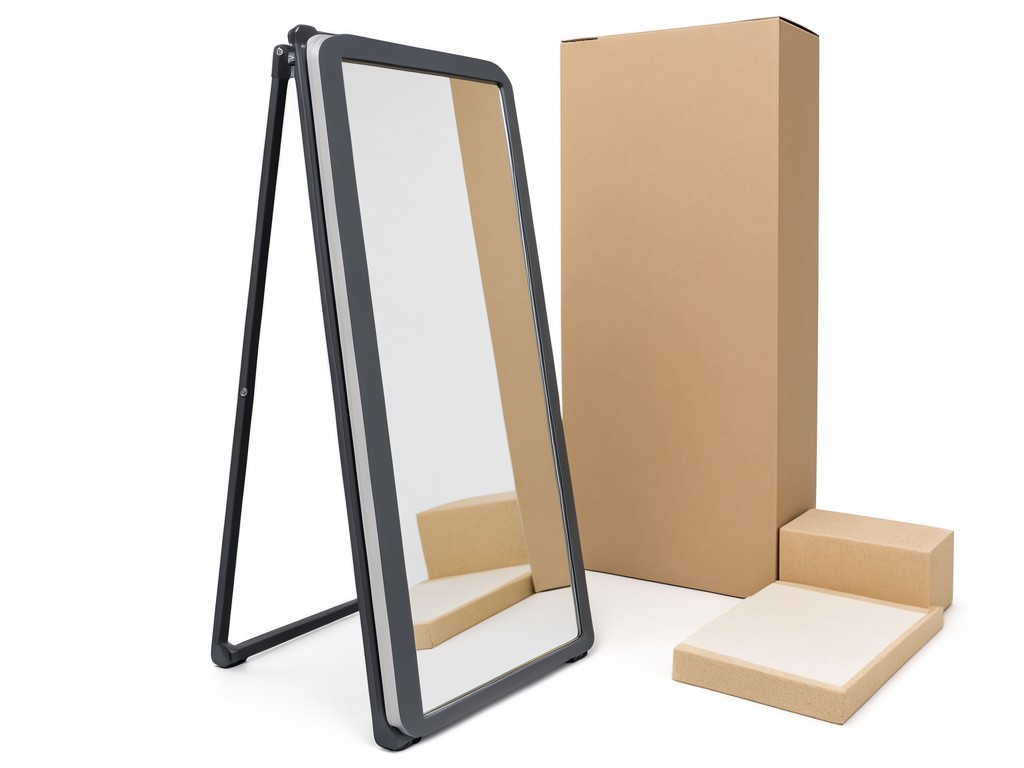
| Corner Guards | High-density corrugated cardboard | Absorbs impact energy during transit drops |
| Outer Crate | Double-wall plywood | Maintains structural load integrity for palletized stacking |