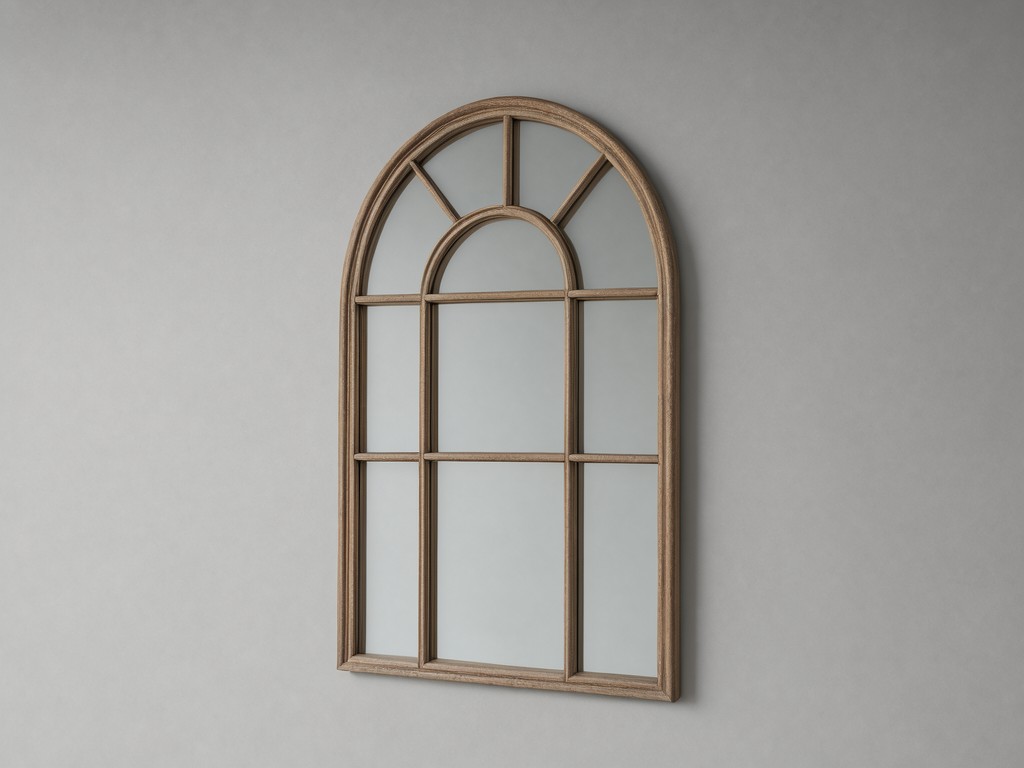
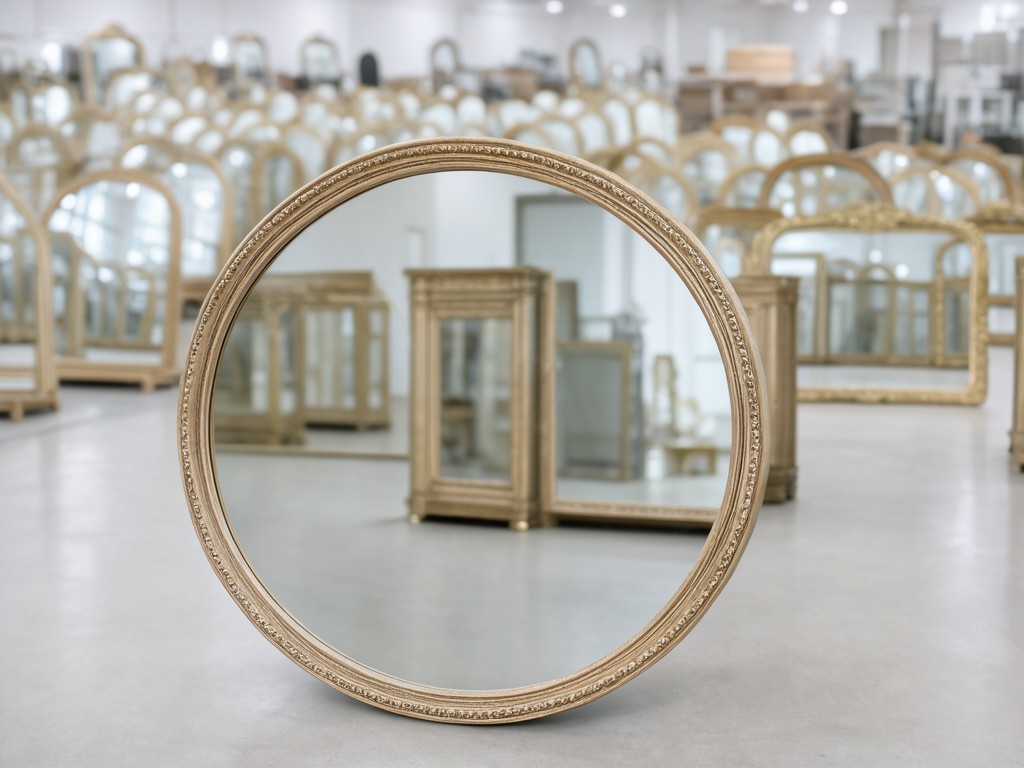
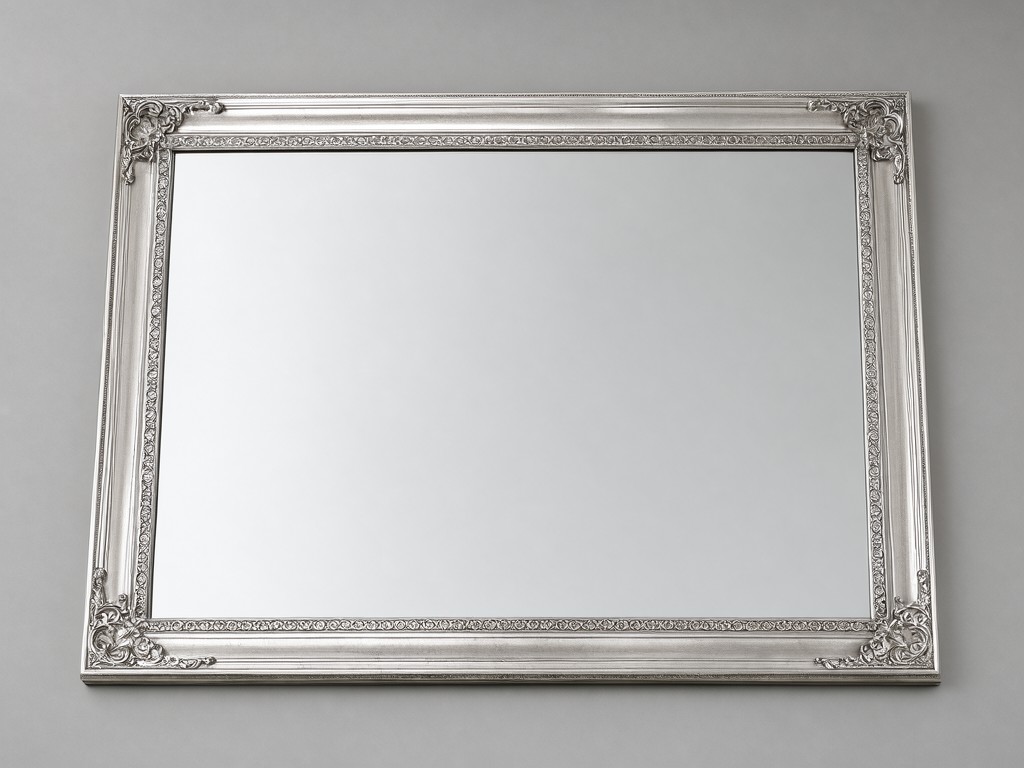
wholesale statement entryway decorative accent mirror supplier: Specification, Ordering and Quality Notes
The limiting factor is rarely the headline specification for statement entryway mirrors; rather, failure occurs at the structural interface between the glass substrate and the frame-mounting hardware. When importers prioritize aesthetic-only construction over mechanical tolerances, the resulting units often suffer from edge-delamination during thermal-expansion cycles in residential environments. A professional-grade supplier must provide a load-bearing mounting system that distributes weight equally across the frame perimeter to prevent point-stress fractures.
Design Constraints Behind the Specification
| Component | Standard Specification | High-Grade Specification |
|---|---|---|
| Glass Substrate | 4mm Annealed Float | 6mm Tempered Safety Glass |
| Frame Material | MDF with PVC Wrap | Solid Wood or Powder-coated Aluminum |
| Backing | 3mm HDF Board | Reinforced Plywood with Foam Buffer |
| Mounting | Standard D-Rings | Heavy-duty French Cleat (Integrated) |
Weight and stiffness trade off against each other when selecting frame profiles for large entryway units. Lightweight MDF frames reduce shipping costs but increase the risk of bowing under the weight of the glass, which creates stress points in the silvering layer over time. Rigid metal frames utilize internal cross-bracing to ensure the glass remains flat even in dimensions exceeding 1200mm width.
Technical Tolerance Note
For mirrors intended for high-humidity entryways near bathrooms, a vacuum-metallization process is required to prevent the "oxidation" (black spotting) that occurs when traditional silvering reacts with moisture.Specification Range and Customisation Limits
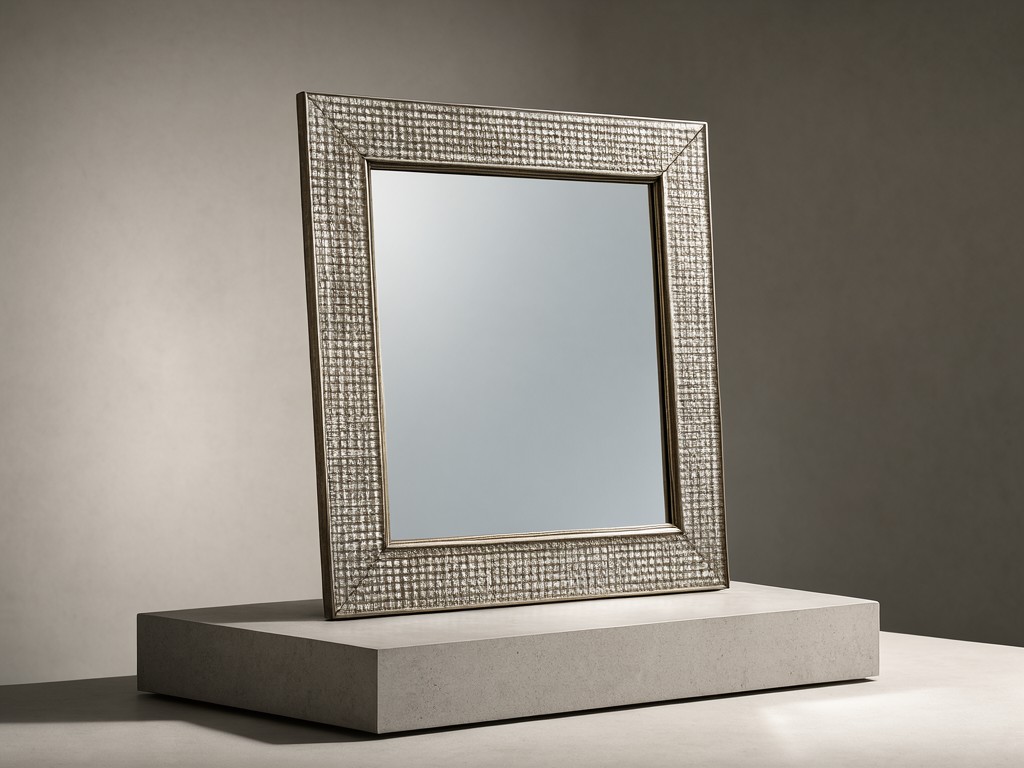
Customization is limited by the physical properties of the glass-cutting process and the structural integrity of the frame. While bespoke shapes are achievable through CNC waterjet cutting, sharp corners act as stress concentrators, significantly increasing the probability of spontaneous glass failure. We limit custom radius curves to a minimum of 10mm to ensure the structural edge of the glass remains intact during transport.
Finish consistency varies based on the application method. Powder-coated finishes offer a uniform resistance to scratching but may show chips at edges, whereas hand-painted wood grains provide aesthetic depth at the cost of lower UV-resistance.
OEM and ODM Programme Structure
Private-label procurement typically focuses on modifying existing molds with bespoke hardware or specific color-ways. This approach allows procurement officers to maintain lower price points while differentiating their brand through unique-facing elements. For full ODM development, we require technical CAD files that account for material shrinkage rates during the frame curing process.
Standard Silvering
Utilizes a silver-based chemical coating. High reflection index suitable for dry environments. Vulnerable to moisture if the protective edge-seal is compromised.
Vacuum Metallization
Applies a metal layer in a vacuum. Highly resistant to corrosion and humidity. Ideal for coastal regions or high-traffic retail zones.
Quality Control and Batch Consistency
Batch consistency is maintained through strict control of the glass melt and frame dye lots. Mixing glass from different production runs can lead to slight tint shifts in the reflection, which becomes highly visible in multi-unit retail displays. We utilize batch-tracking numbers to ensure that every mirror within a purchase order matches the specific optical density of the approved sample.
Testing includes impact-checks on 5% of every production run to verify the strength of the adhesive-backing bond.
Volume Planning and Lead Time
Lead times are dictated by the frame curing cycle and the availability of specialized tempered glass. Standard in-stock frames typically operate on a 30-45 day lead window, while custom-molded frames require 60-90 days to account for tooling fabrication and stress-testing.
Packing, Marking and Freight Configuration
Breakage is the primary cost driver in mirror logistics. Our configuration utilizes double-wall corrugated cardboard with high-density polyethylene (PE) inserts that isolate the glass from the frame. For wholesale volumes, palletized crates with reinforced corners are mandatory to prevent shifting and vibration-induced edge fractures during sea transit.
Questions Buyers Ask Before Ordering
- What is the maximum weight capacity for the mounting hardware? Most integrated French cleats are rated for up to 50kg per unit, depending on the wall-attachment used.
- Can the glass be UV-protected? Yes, a UV-filtering film can be applied to the back to prevent fading of objects in direct sunlight.
- How do you handle transit damage claims? We require digital documentation of the outer packaging and internal damage within 48 hours of delivery to initiate insurance processing.
Ready to verify the optical clarity and load-bearing specs for your private-label line?
Request a technical sample and specification sheet