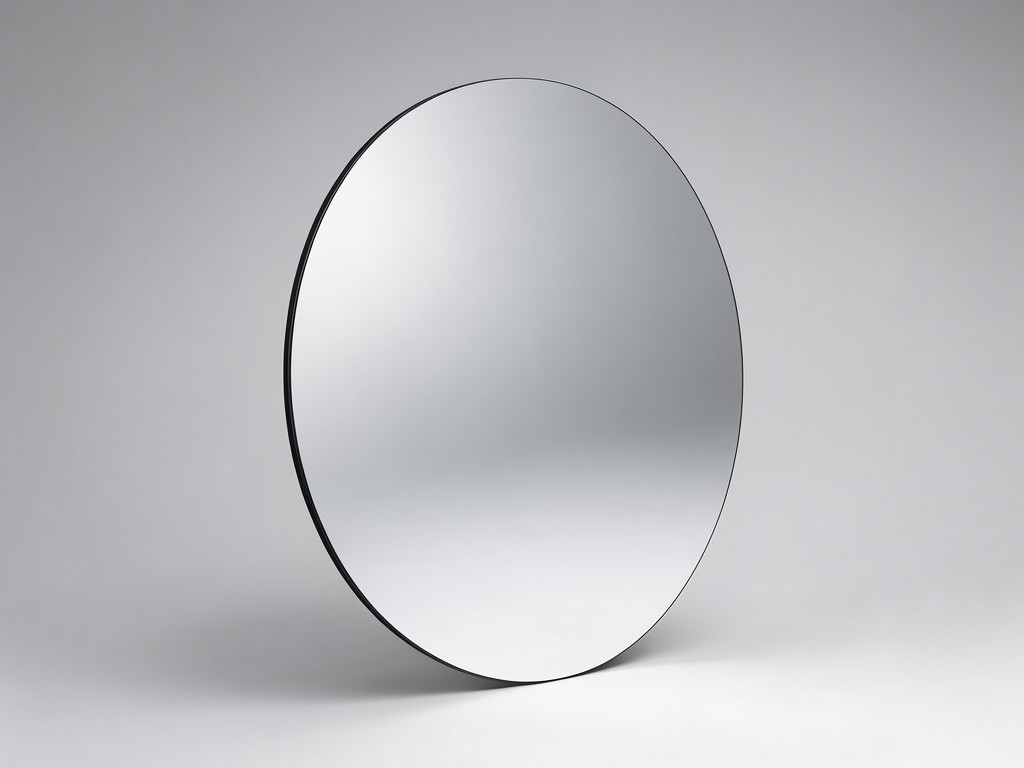
OEM multi circle wall mirror factory: Specification, Ordering and Quality Notes
Material choice starts with the conditions the product will meet. In commercial environments like fitness centers or retail boutiques, the interaction between humidity and surface coating determines the lifespan of the silvering layer. A factory-level approach to circular mirrors must prioritize the de-oxidation process to prevent the black-edge corrosion common in lower-grade glass installations.
Where This Product Beats Standard Alternatives
| Feature | Standard Silvered Glass | Industrial-Grade Acrylic |
|---|---|---|
| Optical Clarity | Zero distortion, high reflection index | Subject to slight surface warping |
| Impact Resistance | Fragile; requires safety backing | High; shatter-proof |
| Weight Load | Heavy; requires heavy-duty anchors | Lightweight; simplifies modular mounting |
Standard retail-grade mirrors often utilize thin silvering techniques that fail when exposed to chlorine-based cleaning agents. Our manufacturing process employs a multi-stage metallization technique that creates a denser barrier against moisture. This ensures that the reflective surface remains intact even in locker rooms or spa environments where temperature gradients fluctuate rapidly.
Size, Weight and Specification Range
| Diameter | Glass Thickness | Approx. Weight (unit) | Application |
|---|---|---|---|
| 300mm | 4mm | ~2.5kg | Accent retail walls |
| 600mm | 5mm | ~8.5kg | Gym exercise stations |
| 1000mm | 6mm | ~22kg | Main architectural focal points |
How to Choose Before Requesting a Quote
Edge Finish Options
Flat-polished edges offer a modern, minimalist profile for frameless installations but are cost-effective. Beveled edges provide a premium aesthetic and increase resistance to edge chipping but increase production time by 15-20% due to the additional CNC grinding work.
Mounting Hardware
Standard J-clips are sufficient for flat-mounting. For high-traffic gym zones, Z-bar brackets or integrated French-cleat systems prevent the mirror from vibrating or shifting during heavy equipment use nearby.
Procurement teams must evaluate the thermal expansion coefficient of the chosen frame material. If the mirror is installed on an exterior-facing wall, a lack of expansion gap can lead to stress cracking in the glass. We recommend a 3mm tolerance for all circular installations to allow for material movement without compromising the optical integrity.
Who Uses It and Where It Matters
Where chlorine, sweat or UV exposure is routine, the integrity of the adhesive bond is the primary failure point. Fitness academies utilize multi circular mirrors to create visual clusters that allow clients to monitor form from multiple angles during full-body movement training.
- Commercial spas requiring moisture-resistant silvering to prevent steam-induced oxidation.
- High-end retail environments using varied circular diameters to break up linear architectural architectural lines.
- Hospital recovery centers needing lightweight, shatter-proof acrylic alternatives for patient safety compliance.
Quality Control and Batch Consistency
Lot-to-lot drift is the most significant risk for private-label buyers. A variance in diameter of even 2mm across different batches can ruin a modular installation where circles are placed close together. Our factory utilizes automated optical glass cutters to maintain a dimensional tolerance of ±0.5mm across the entire production run.
We also monitor the silvering density using spectrophotometry to ensure uniform light reflectance. Inconsistent coating results in "hot spots" where the reflection appears darker than others. By testing every batch for adhesion resistance against industrial cleaners, we verify that the protective clear coat will not peel under standard commercial maintenance protocols.
Care, Storage and Service Life
Maintenance of optical-grade mirrors depends on the chemical agents used. Ammonia-based cleaners can micro-abrade the surface coating, leading to premature delamination. A neutral-pH solution applied with a microfiber cloth extends the service life beyond 10 years in most indoor commercial settings.
- Store mirrors vertically at an angle greater than 5 degrees to prevent pressure stress on the silvering layer.
- Avoid direct sunlight exposure for acrylic-based models to prevent UV-induced yellowing of the polymer-substrate.
- Use non-abrasive foam spacers between individual units during transit to prevent surface friction marks.
Ready to discuss specific technical requirements for your large-scale project?
review a quotation






