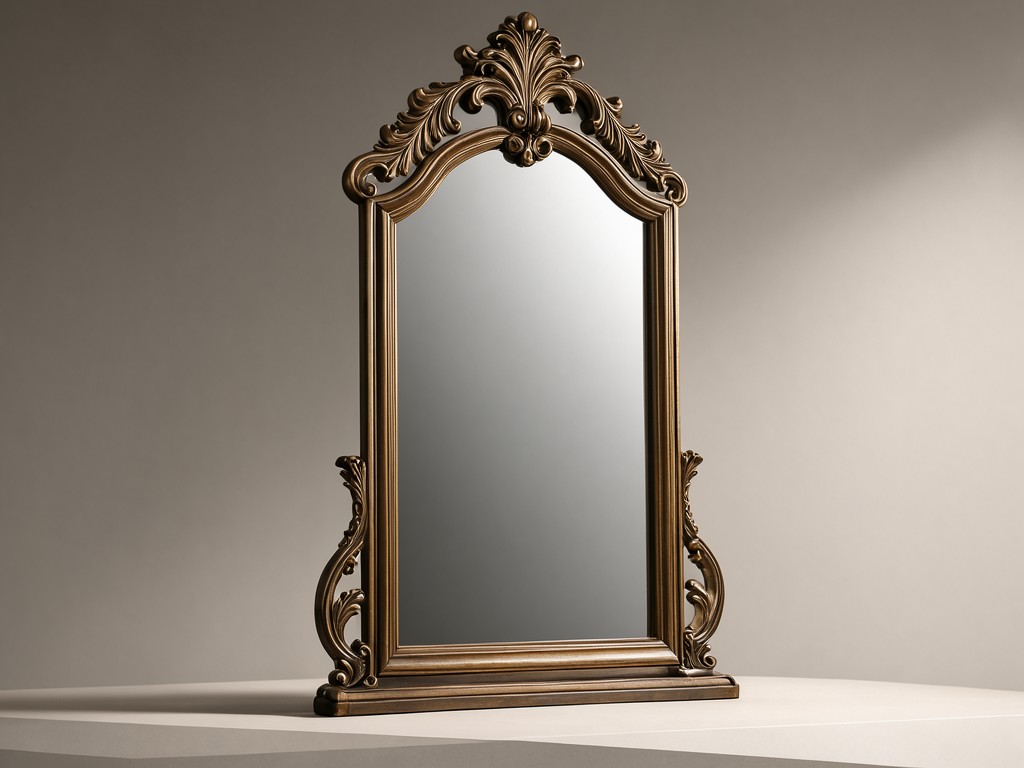
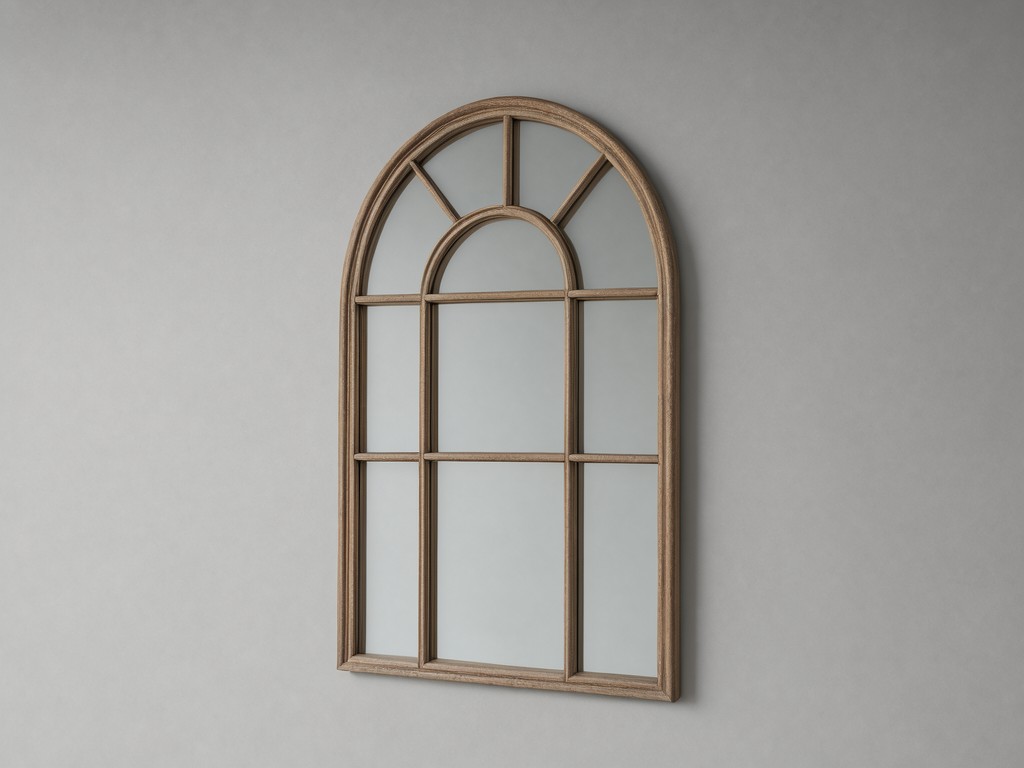
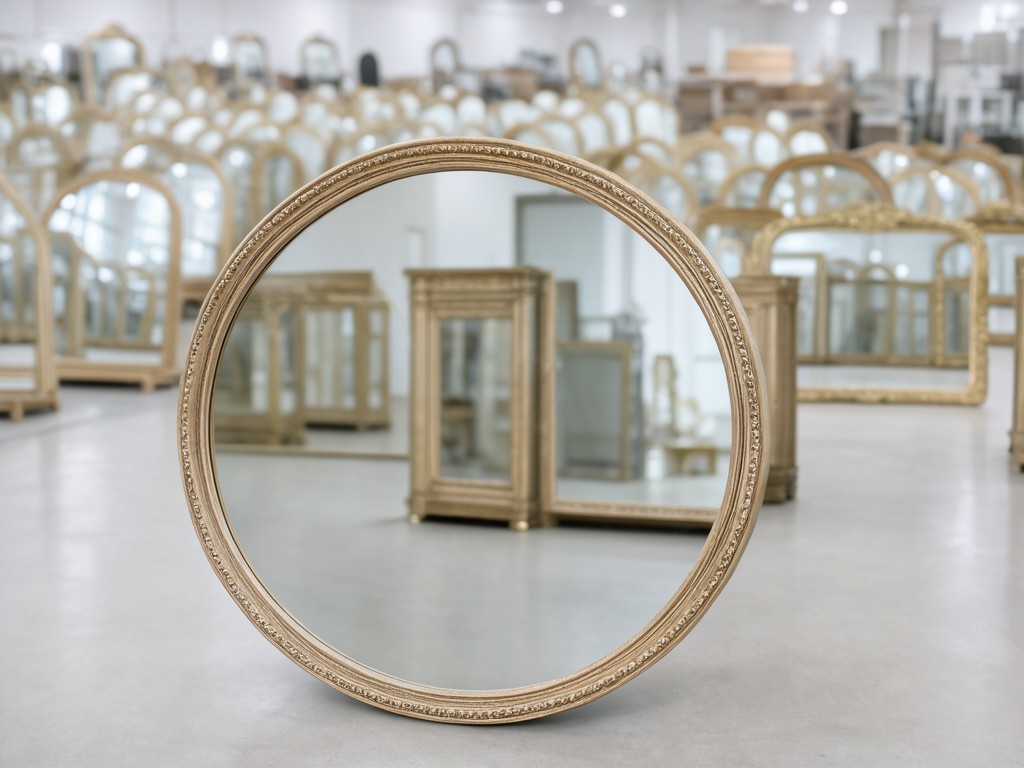
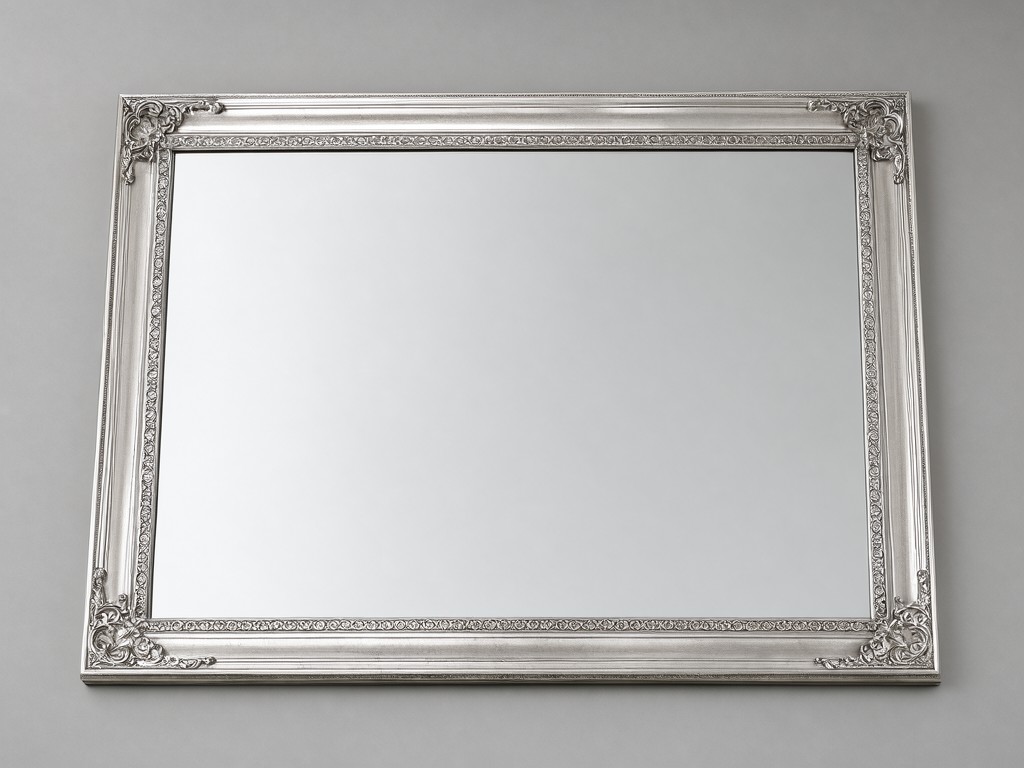
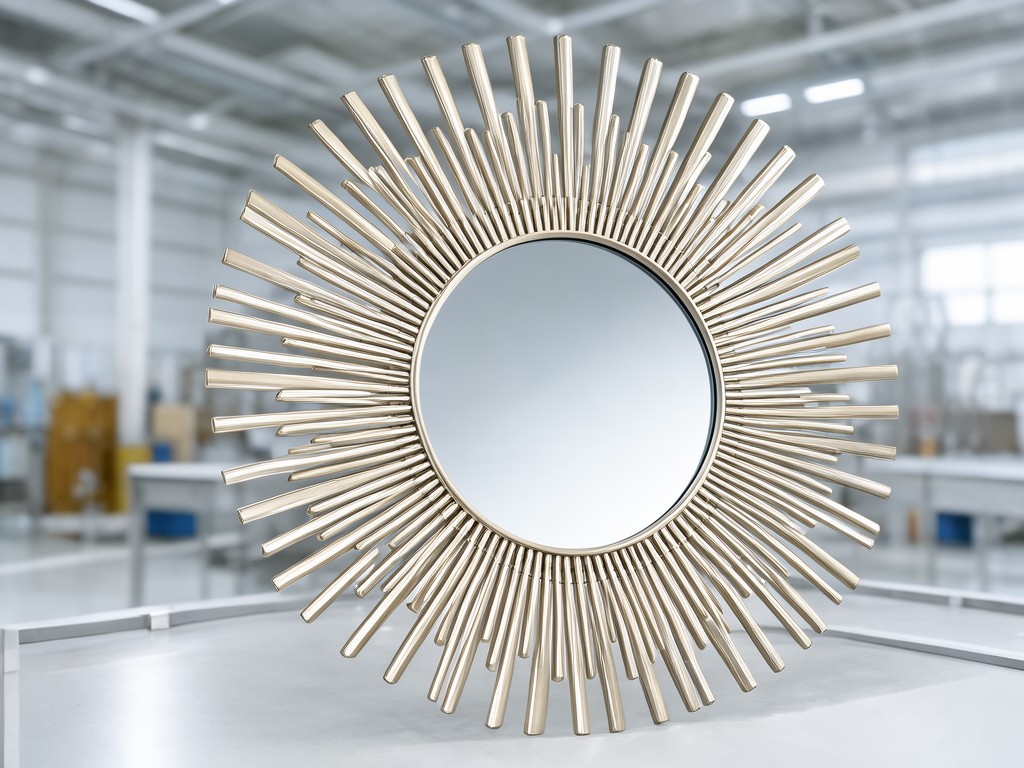
Direct Factory Round Sunburst Wall Mirror Wholesale - Bulk Supply and Specification
Wear shows up at the same point every season, specifically in the oxidation of the silvered backing where moisture meets the untreated frame edges. In wholesale procurement, the most common failure point is not the glass itself, but the chemical degradation of the reflective layer due to improper sealing during the manufacturing finishing stage. We utilize a multi-layer vacuum deposition process that creates a barrier against atmospheric moisture, which reduces the rate of black spot formation in mirrors destined for bathrooms or humid environments.
Returns usually trace back to the same weak point: the mechanical or adhesive bond between the sunburst rays and the primary frame. When a factory uses low-grade adhesives to save on unit cost, the thermal expansion of different materials—such as resin or wood—causes the rays to pull away from the MDF or metal substrate. Our production line employs industrial-strength structural adhesives combined with hidden mechanical fasteners for high-volume orders, ensuring that the radial sunburst geometry remains rigid under the weight of the heavy 4mm or 5mm glass units.
Scope of Supply and Physical Form
The wholesale range for round sunburst mirrors covers diameters typically from 40cm to 1200cm, catering to various architectural focal points. Frame constructions primarily utilize high-density fiberboard (HDF), solid pine wood, or cast resin to achieve intricate radial detailing. Each unit is fitted with a protective backing, usually a foam board or MDF, to shield the glass from impact during international transit. The depth of the frame varies from 20mm for minimalist profiles to 80mm for architectural statements, which significantly impacts the shipping weight per pallet and the required mounting hardware for the end consumer.
Measured Performance in Real Use
| Test Parameter | Inspection Method | Acceptance Standard |
|---|---|---|
| Mirror Silvering Density | Optical spectrophotometer | Minimum 90% reflectance; no visible pitting |
| Frame Moisture Content | Digital moisture meter | < 8% to prevent warping |
| Impact Resistance | Drop test (1-meter height) | No structural fractures or ray delamination |
| Adhesion Strength | Vibration table test | Zero ray displacement after 30 min cycle |
Specification Range and Customisation Limits
Standard glass thickness is maintained at 4mm for retail-grade mirrors, while 5mm glass is available for premium-spec orders where optical distortion reduction and impact resistance are prioritized. Frame finishes include metallic leafing, matte spray, or distressed wood treatments, but application is limited by the base material. For instance, thin-cast metal rays do not support heavy-build wood stains without the risk of bleeding through the porous substrate. Customization of hardware is restricted to D-rings, French cleats, or wire hangers, depending on the total weight of the unit exceeding 5kg.
Matching the Product to the Buyer's Need
Budget-Focused Retail
Utilizes MDF-based frames with resin-cast rays. This configuration minimizes shipping costs due to lower weight and is ideal for high-turnover merchandise where price sensitivity is the primary driver.
Contract/Designer Grade
Features solid wood or heavy alloy metal frames with 5mm glass. These units offer higher structural integrity for commercial projects, reducing the likelihood of long-term warranty claims in hospitality environments.
Assumptions Buyers Should Stop Making
Most quality disputes start with a consistency gap between the sample and the bulk delivery. Buyers often assume that a lower unit price implies inferior glass quality, but in reality, the cost savings often come from the frame construction or cheaper backing material which shrinks or expands at different rates than the glass. If the buyer focuses solely on the glass price and ignores the expansion-coefficient mismatch of the frame, they will face high return rates during the first seasonal humidity shift.
Customisation Options and Their Limits
We offer bespoke radial ray patterns, ranging from geometric shards to organic sun-burst designs. However, the maximum diameter is limited by the structural stability of the chosen frame material; mirrors exceeding 150cm require a reinforced internal metal frame to prevent the glass from bowing under its own weight.
Quality Control and Batch Consistency
Batch consistency is maintained through standardized jig-cutting of the frame base, ensuring that every mirror in a production run maintains identical radial symmetry. We perform random sampling on every 50th unit to verify the silvering thickness and the adhesive bond of the rays. This protocol prevents the "drift" in quality where later batches in a large shipment might have different color tones or structural tolerances than the initial samples.
Ordering, Tooling and Lead-Time Questions
- What is the MOQ for custom-ray designs? Typically 300 units per design to cover the CNC tooling costs.
- Can the glass be UV-protected? Yes, an additional UV-film can be applied for mirrors placed in direct-light environments.
- What is the lead time for bulk-standard orders? Usually 35-45 days depending on raw material availability and order volume.
Ready to discuss technical specifications for your private label brand?
Initiate project discussion and request quote