Custom Floral Crest Decorative Mirror Supplier: What Buyers Should Check Before Ordering
Technical Trade-off: Frame Density vs. Optical Stability
Selecting between injection-cast resin frames and hand-carved solid wood dictates the long-term resistance to edge warping. While resin offers lower unit costs for complex floral motifs, solid wood provides the structural rigidity required to keep the glass plane within a ±1.5mm tolerance in high-humidity hospitality environments.
What This Product Is and Where It Fits
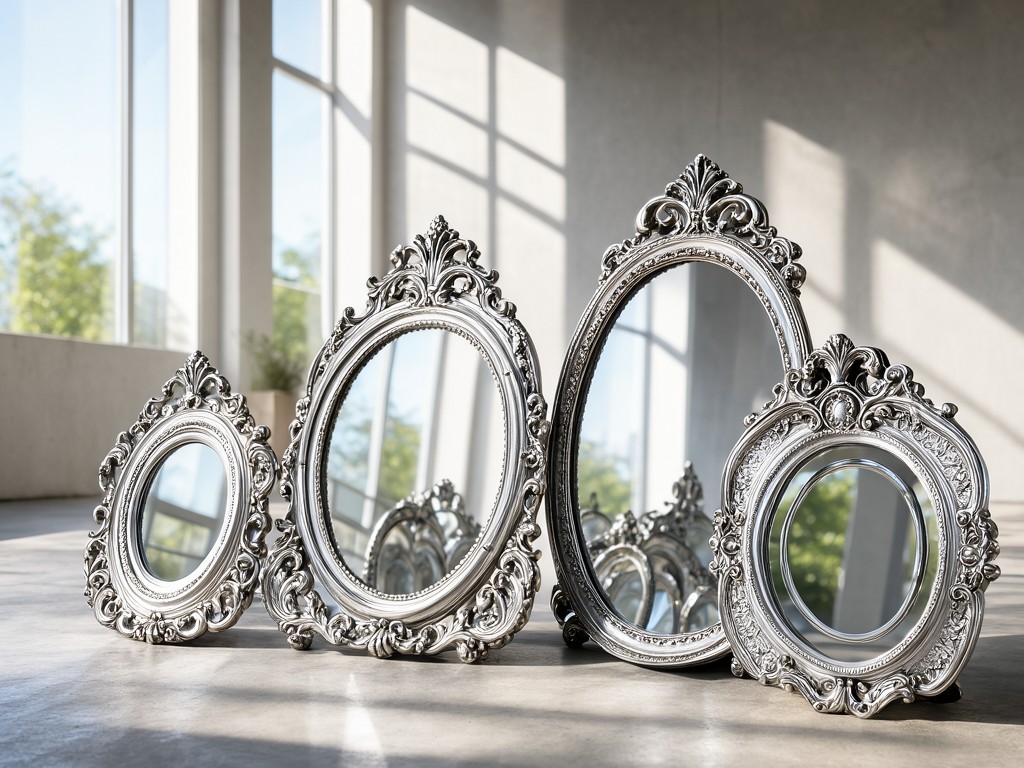
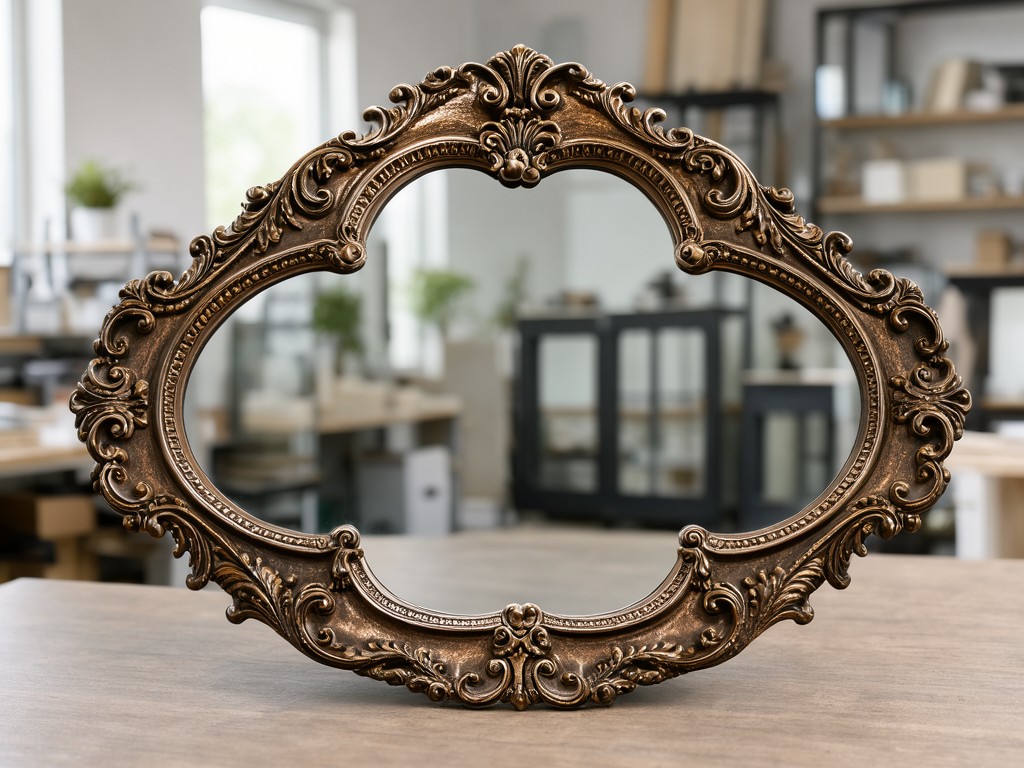
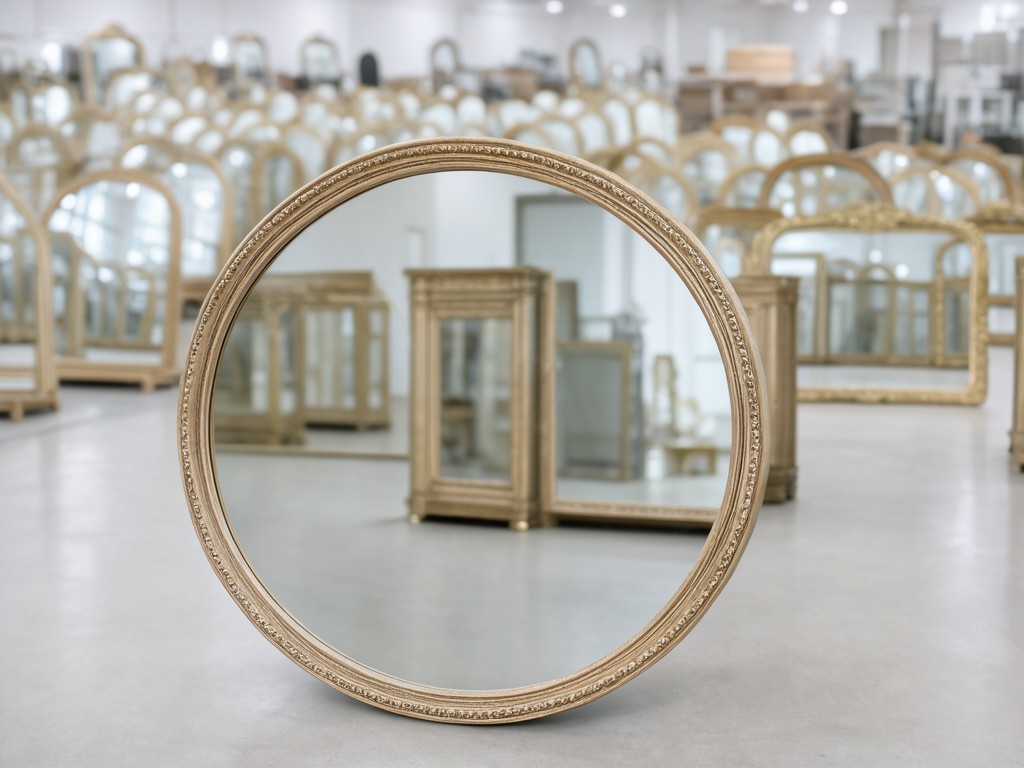
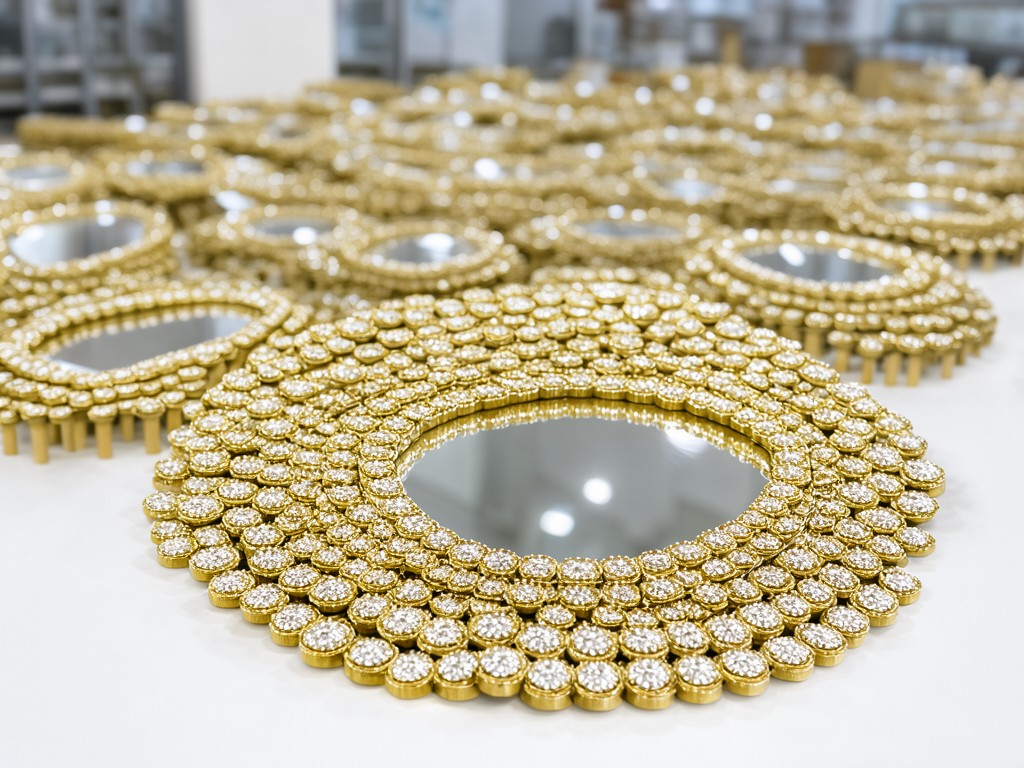
Decorative mirrors featuring floral crests serve as focal points in high-end residential interiors and commercial hospitality projects. These units typically consist of a silvered float glass substrate bonded to a decorative perimeter frame. The crest itself is achieved through CNC-milled wood or high-pressure resin molding, ensuring the intricate botanical patterns remain consistent across large-volume production runs.
Distributors often specify these mirrors for retail environments where visual impact is the primary sales driver. However, OEM buyers must focus on the mounting hardware and the bond-strength between the frame and the glass to prevent delamination during transit or long-term installation.
The Problem Buyers Keep Paying For
Oxidation is the most frequent cause of returns in decorative mirrors, often manifesting as black spotting along the edges of the glass. This occurs when the protective backing paint is thin or inconsistent, allowing moisture to reach the silvered layer. In coastal regions or bathroom settings, a standard-grade backing will fail within 24 months.
Another recurring failure mode involves the dimensional expansion of the frame. If the MDF base of the floral crest expands at a different rate than the glass, the resulting stress leads to hairline fractures or the total failure of the adhesive bond. Procurement officers should demand moisture-resistant primers and UV-stabilized frame coatings to mitigate these structural risks.
How It Is Built and What That Changes
Consistency is set at the forming stage, where the floral crest is carved from a master template. Using 5-axis CNC routing ensures that every petal and leaf detail depth is identical to within 0.1mm. This precision prevents the uneven weight distribution seen in cheaper, hand-carved alternatives.
The silvering process determines the optical clarity and durability. We utilize a copper-free vacuum silvering method followed by a multi-layer protective coating. This construction choice reduces the risk of corrosion by 60% compared to traditional spray-applied methods, directly extending the warranty period for high-end distributors.
Size, Weight and Specification Range
| Parameter | Residential Grade | Commercial Grade |
|---|---|---|
| Glass Thickness | 4mm Float | 5mm - 6mm Touhened |
| Frame Material | MDF / Resin | Solid Wood / Aluminum Alloy |
| Backing Protection | Standard Acrylic | Anti-Corrosive Epoxy |
| Load Capacity | Max 5kg | Up to 25kg |
Customisation Options and Their Limits
Artwork complexity is limited by the casting capabilities of the material used. Deep-relief floral patterns exceeding 15mm require solid wood to maintain structural integrity during the curing process. For high-volume orders, shallow-relief CNC engraving is more cost-effective.
Finish options range from gold leaf application to metallic powder coating. Note that hand-leaf finishes are susceptible to mechanical abrasion and require a clear top-coat for protection. For high-traffic retail use, we recommend powder-coated electrost finished frames to ensure longevity and scratch resistance.
Usage Scenarios and Buyer Segments
Hospitality buyers require mirrors that can withstand frequent cleaning with alkaline agents. This necessitates a high-hardness glass coating and a reinforced backing to prevent the silvering from etching over time.
Retail distributors prioritize weight and packaging-related shipping costs. In these cases, lightweight resin frames with integrated floral crests are the preferred choice, provided the installation environment is not subject to high-impact risk.
Capacity, Tooling and Scheduling
First-article tooling determines the initial lead time for custom crests. A new floral design requires 14 to 21 days for mold creation or CNC-path verification. Once the tooling is approved, production capacity typically reaches 500 units per month depending on the frame complexity.
Batch orders over 200 units generally follow a 30-day shipping window. For repeat orders, we maintain the digital files and physical molds to ensure that the crest geometry and frame dimensions remain identical across shipments, reducing the risk of brand inconsistency.
Care, Storage and Service Life
Maintenance involves non-abrasive cloths and pH-neutral cleaning solutions. Avoid ammonia-based cleaners which can degrade the protective barrier on the silvered surface. Storage should be vertical, in a climate-controlled environment to prevent warping of the frame substrate during extended periods.
Under standard indoor conditions, the service life of a commercial-grade mirror exceeds 15 years. The optical life-span depends primarily on the humidity levels and the quality of the initial frame-to-glass adhesive bond.
Ready to discuss technical specifications for your next project?
Request a technical review and quotation-review