China big round decorative mirror Factory: Specification, Ordering and Quality Notes
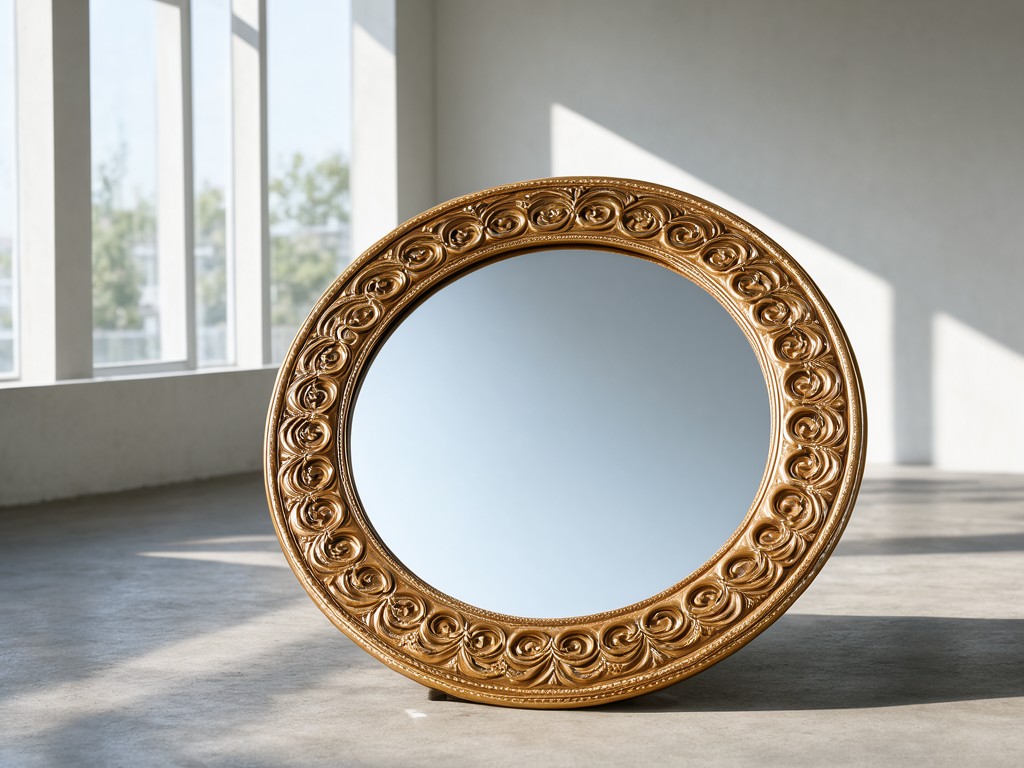
Two suppliers quoting the same specification for a 1200mm round mirror often differ in the thickness of the silvering layer and the glass substrate. A 4mm glass substrate reduces material costs but increases optical waviness when mounted on large-format walls. Commercial projects require 5mm or 6mm glass to maintain a flat reflection without varying focal points.
What Actually Determines Performance
Optical clarity in large decorative mirrors depends on the tensioning of the float glass. When diameters exceed 1000mm, any slight deviation in the glass flatness results in a "funhouse effect" in the reflection. We utilize heat-strengthen float glass to ensure the surface remains planar across the entire circular area.
The silvering process dictates the lifespan of the mirror in humid environments. Standard vacuum silvering provides a basic reflection, but a multi-layer coating involving copper and protective back paint prevents the black-edge oxidation common in high-humidity zones like hotel bathrooms.
Edge Treatment Stability
Beveled edges vary from 10mm to 50mm. A machine-cut flat polish maintains better structural integrity compared to hand-sanded edges, which can be prone to chipping during installation on mounting hardware.
Option Comparison by Usage Level
Residential-grade mirrors typically prioritize aesthetics and weight, often utilizing acrylic-backed thin glass for safety. These are suitable for low-traffic home decor. In contrast, commercial-grade specifications demand impact resistance and dimensional consistency.
- Residential: 4mm glass, lightweight PVC frames, standard adhesive-point mounting.
- Commercial: 5mm tempered glass, reinforced metal or solid wood frames, heavy-duty bracket systems.
- Industrial/Luxury: 6mm+ glass, custom alloy frames, specialized oxidation-resistant backings.
Who Uses It and Where It Matters
Hospitality buyers require mirrors that withstand frequent chemical cleaning without degrading the silver silvering. The back paint must be chemically resistant to ammonia-based cleaners used in hotel housekeeping cycles. Without this, the mirror surface delaminates within months of guest use.
High-traffic retail environments benefit from mirrors with integrated anti-scratch films. These films prevent micro-scratches during the assembly and shipping phases, ensuring the product remains clear until the consumer removes the protection.
Requirements by Buyer Segment
Distributors focus on the volume-to-weight ratio during shipping. Large round mirrors are susceptible to stress fractures; therefore, the packaging specification determines the landed cost factor. We provide reinforced crates with internal foam inserts designed to absorb kinetic energy during sea-ocean freight transit.
OEM buyers require custom frame integration and logo placement. This involves CNC-cutting the glass profile to match specific frame dimensions with a ±0.5mm tolerance. Discuss custom framing tolerances with our team.
Quality Control and Batch Consistency
Batch consistency is managed by monitoring the silvering bath temperature. Variations in temperature during production can lead to slight tint shifts in the reflection. We utilize colorimeters to ensure that a production of 5,000 units matches the approved master sample.
| Usage Condition | Potential Failure | Prevention Specification |
|---|---|---|
| High-humidity (Bathrooms) | Oxidation/Black edges | Epoxy-sealed edges with moisture-barrier paint | |
| High-impact transit | Structural fractures | PE foam corner-guards and reinforced wooden crates | |
| Retail display | Surface scratches | Protective anti-scratch peelable film |
Capacity, Tooling and Scheduling
Production lead times fluctuate based on the complexity of the frame material. For standard metal frames, we maintain high inventory of components. Custom CNC-cut profiles require a 14-day tooling period for mold creation or jig-setting before mass production begins.
Order volumes exceeding 500 units allow for the amortization of custom edge-polishing setups. For smaller runs, the unit price reflects the manual setup time required to calibrate the glass-cutting machinery. Request a quote for specific volume tiers.
Ready to finalize your project specifications?
Contact our engineering team for an artwork-and-branding-review and technical feasibility assessment.







