OEM small arched gold wall mirrors factory: Specification, Ordering and Quality Notes
Two suppliers quoting the same specification often overlook the variance in silvering thickness or the adhesive stability of the arched frame. Procurement officers focus on the unit price, but the long-term return rate depends on how the glass-to-frame bond survives thermal expansion during transit. A factory-level specification must define the exact tolerance for the arch radius—typically within +/- 1mm—to ensure that multiple units from the same batch align perfectly in retail displays.
How It Is Built and What That Changes
The construction method of the frame dictates the weight and the longevity of the gold finish. High-density MDF (Medium Density Fiberboard) offers a cost-effective base but remains susceptible to warping if the moisture barrier is not properly applied. In contrast, cold-rolled aluminum frames provide a higher strength-to-weight ratio but require specialized tooling to achieve the arched profile.
- 18mm MDF cores provide the necessary rigidity to prevent the glass from bowing in the center span.
- Electroplated gold finishes on metal frames offer superior abrasion resistance compared to standard spray-painted surfaces.
- UV-resistant silicone gaskets are used between the glass and the frame to absorb vibrations during sea freight.
- Acid-resistant silvering backing prevents the formation of black spot oxidation in high-humidity coastal environments.
Option Comparison by Usage Level
| Feature | Commercial Retail Grade | Boutique/Luxury Grade |
|---|---|---|
| Frame Material | Molded MDF | Solid Wood or Cast Metal |
| Glass Thickness | 3mm | 5mm to 6mm |
| Finish Type | Metallic Paint | Gold Leaf / Electroplating |
Customisation Options and Their Limits
Customizing the arched profile involves balancing the physical limits of the material with the desired aesthetic. A deeper arch curve requires a wider frame profile to maintain structural integrity at the narrow top, which increases the total weight per unit and affects shipping density. When a buyer requests a specific gold tone, such as antique brushed brass, the production time increases by 14 days due to the curing cycles required for each lacquer layer.
Hardware selection is also a critical variable. Standard D-ring hangers are sufficient for mirrors under 5kg, but larger arched units require multi-point French cleats to prevent the mirror from tilting forward on the wall. Review custom hardware specifications for high-volume orders.
Quality Control and Batch Consistency
Visual Inspection Protocol
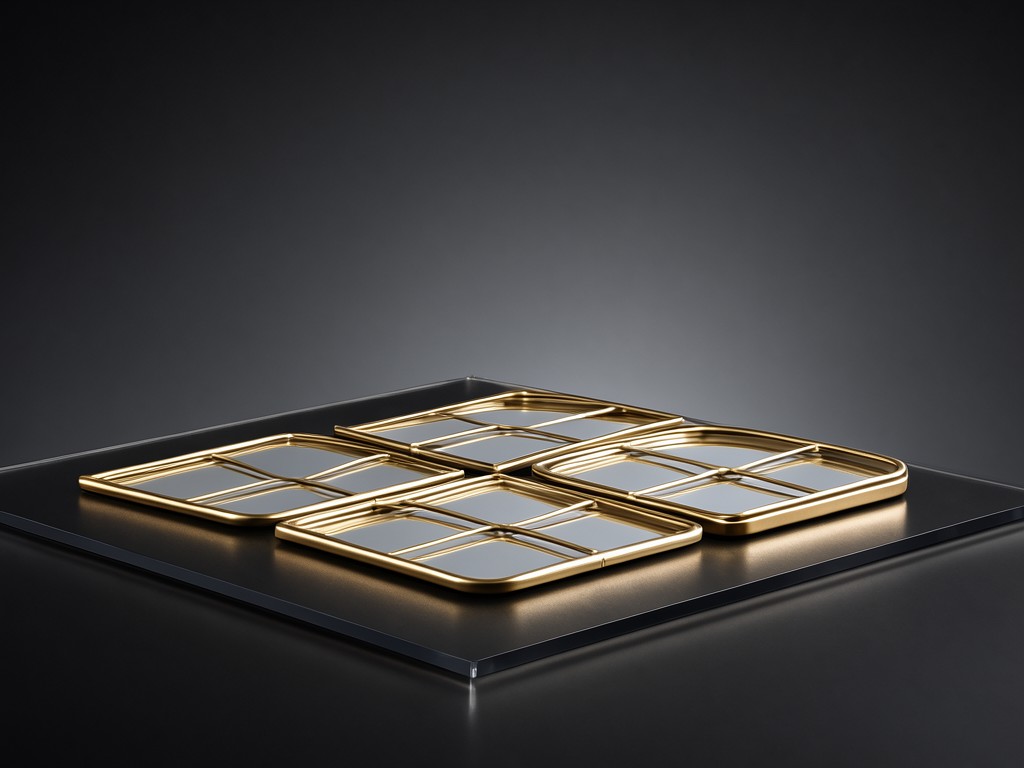
Every unit is inspected under high-intensity light tables to detect silvering defects or finish inconsistencies. This ensures that the gold finish remains uniform across the entire shipment.
Dimensional Verification
Random samples from each batch are measured with digital calipers to ensure the arch radius and frame width remain within the ±1mm tolerance.
Volume Planning and Lead Time
Production cycles fluctuate based on the complexity of the frame finish. Standard MDF-framed mirrors typically have a 25-day lead time from deposit, whereas custom-cast metal frames require 45-60 days to account for the casting and manual finishing processes.
| Order Volume | Estimated Lead Time | MOQ |
|---|---|---|
| 100-500 Units | 25-30 Days | 50 Units |
| 1000+ Units | 45-50 Days | 200 Units |
Packing, Marking and Freight Configuration
The packaging strategy is the primary defense against transit-related breakage. We utilize high-density EPS (expanded polystyrene) corner protectors specifically molded to support the arched section, which is the most vulnerable point during impact. Each mirror is wrapped in double-layer polyethylene (PE) foam to prevent the gold finish from scratching against the outer corrugated carton.
Pallets are heat-treated and shrink-wrapped to prevent shifting during container loading. Each pallet is marked with moisture-sensitive indicators and "This Side Up" labels to ensure the handlers treat the glass surfaces with the necessary care.
Questions Buyers Ask Before Ordering
How do you ensure the silvering does not oxidize over time?
We apply a multi-layer copper-based coating followed by a protective paint film, which effectively blocks oxygen and moisture from reaching the silvered surface.
Can the gold finish be matched to existing product samples?
Yes, we utilize Pantone color-matching or physical sample approval to ensure the gold tone aligns with your current product line before mass production begins.
What is the breakage rate guarantee for the standard packaging?
Our standard packaging passes a 1.2 meter drop test onto a hard surface, typically maintaining a breakage rate of under 1% during ocean freight.
Ready to finalize the technical specifications for your next production run?
Request a tooling review and quote






