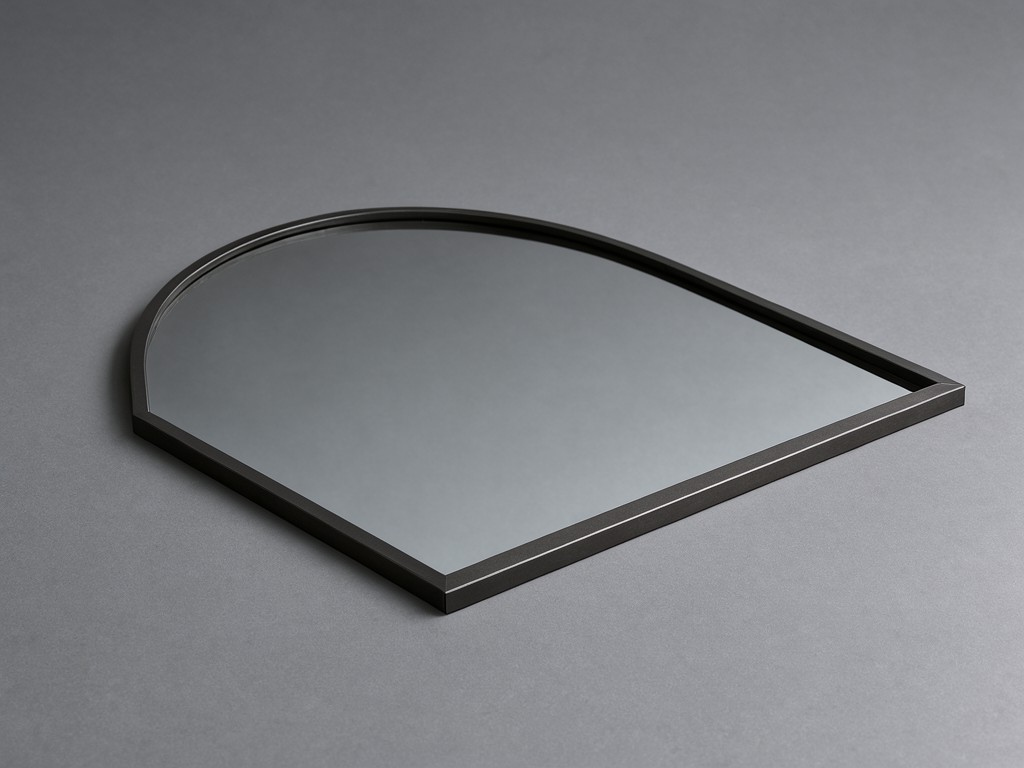
custom metal framed arched wall mirror supplier: What Buyers Should Check Before Ordering
When a brand extends an existing range, the primary challenge shifts from aesthetic design to maintaining dimensional consistency across multiple production batches. Variations in the radius of the curvature for the arch lead to misalignment during the glass assembly phase, which results in higher rejection rates at the retail level. If the extrusion wall thickness fluctuates beyond a 0.5mm tolerance, the risk of structural bowing during transit increases significantly, impacting the total landed cost.
Prioritizing frame rigidity over the lowest possible unit price often reduces warranty claims associated with fractured glass.
How It Is Built and What That Changes
Extruded aluminum allows for complex profiles with lower weight, whereas welded steel offers higher impact resistance for larger spans. For arched designs, the bending technique determines the precision of the curve; CNC bending ensures the glass sits flush without stress points. The powder coating process typically targets 60-80 microns to provide resistance against environmental oxidation, especially in high-humidity environments.
Customization Options
| Feature | Technical Specification |
|---|---|
| Frame Profile | Slim-line, Chamfered, or Flat-edge extrusion |
| Finish Type | Matte powder, gloss, or metallic-grain coating |
| Glass Specification | 4mm Silvered or 6mm Toughened Safety glass |
Size, Weight and Specification Range
Large-format mirrors exceeding 2000mm in height require reinforced back-channels to prevent the frame from twisting over time. The weight of the assembly dictates the hardware selection; heavy-duty Z-clips are necessary for steel frames over 15kg to ensure the mounting remains secure on dry-wall-based installation.
| Material | Weight Profile | Durability Factor |
|---|---|---|
| Aluminum | Low (Reduced shipping cost) | Corrosion-resistant |
| Cold-Rolled Steel | High (Requires robust mounting) | High impact resistance |
Matching the Product to the Buyer's Need
Commercial-grade specifications prioritize impact-resistant glass to prevent de-silvering in high-traffic areas. Retail-focused designs often emphasize thinner frame profiles to maximize reflective area, which requires higher-grade alloys to maintain structural integrity.
Segment-Specific Requirements
Bathroom environments demand moisture-resistant silvering to prevent black-spotting at the edges. Outdoor-facing arched mirrors benefit from UV-stable coatings that prevent the degradation of the frame's finish.
Capacity, Tooling and Scheduling
Tooling for unique arched profiles typically requires a 3 to 6 week lead time before mass production begins. Batch volumes of over 500 units per month allow for better amortization of custom die costs across the entire order.
Ready to discuss technical tolerances for your next production?
Request an artwork and branding review






