China Crowned Curved Top Mirror Factory: What Buyers Should Check Before Ordering
What This Product Is and Where It Fits
| Parameter | Standard Specification | Technical Note |
|---|---|---|
| Glass Thickness | 4mm - 6mm float glass | Determines optical clarity and impact resistance. |
| Backing Material | Copper-free silver | Prevents black spot oxidation in humid zones. |
| Frame Material | MDF, Aluminum, or Wood | Affects total weight and mounting hardware. |
| Edge Treatment | Polished flat or beveled | Beveled edges increase production time and unit cost. |
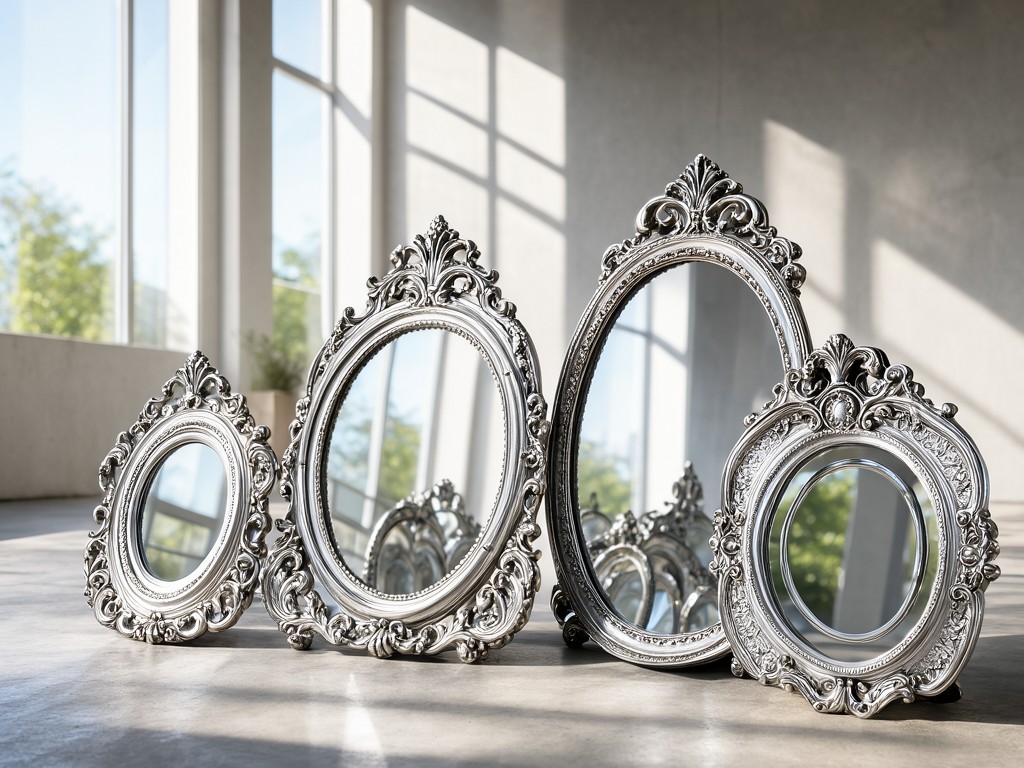
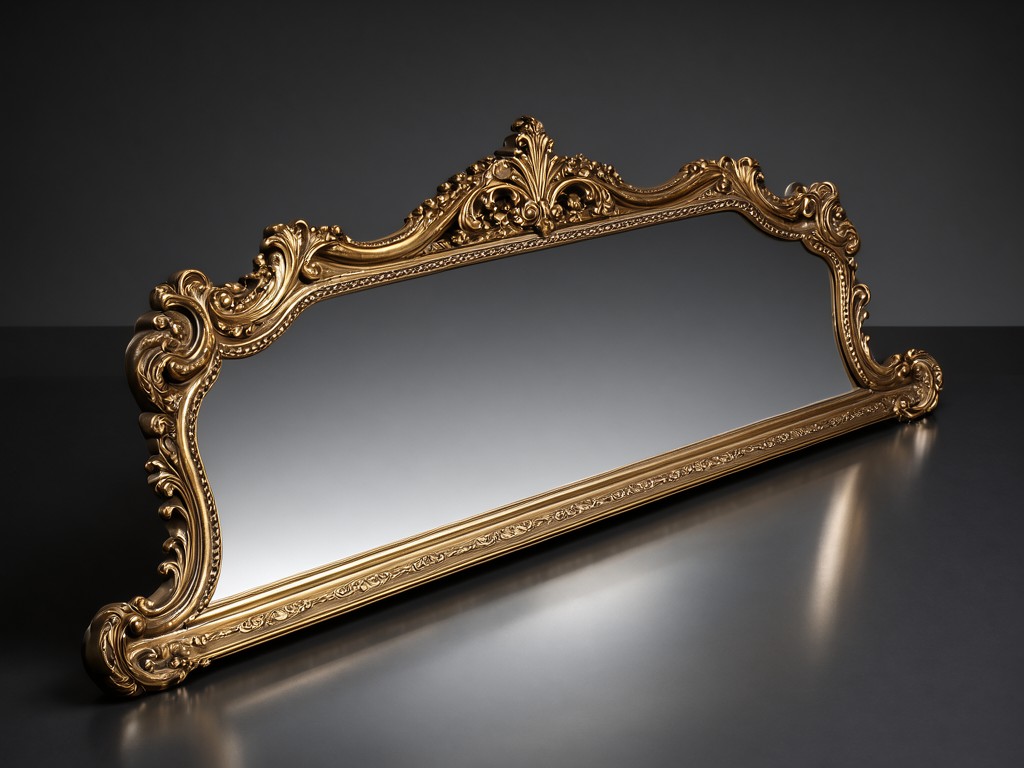
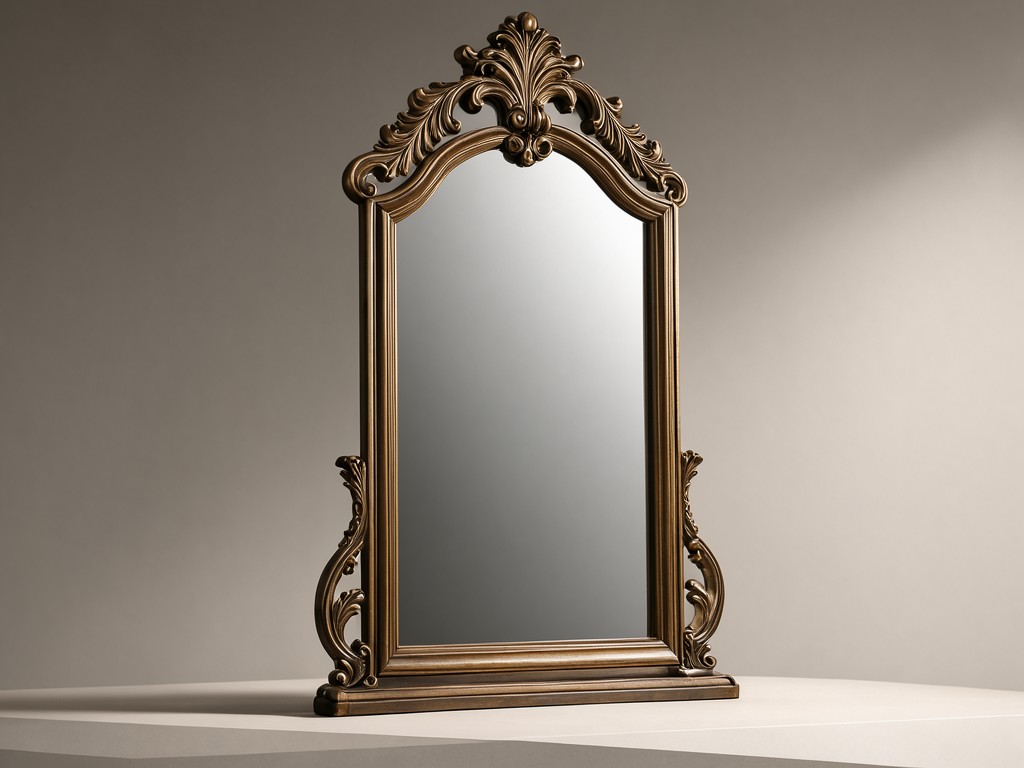
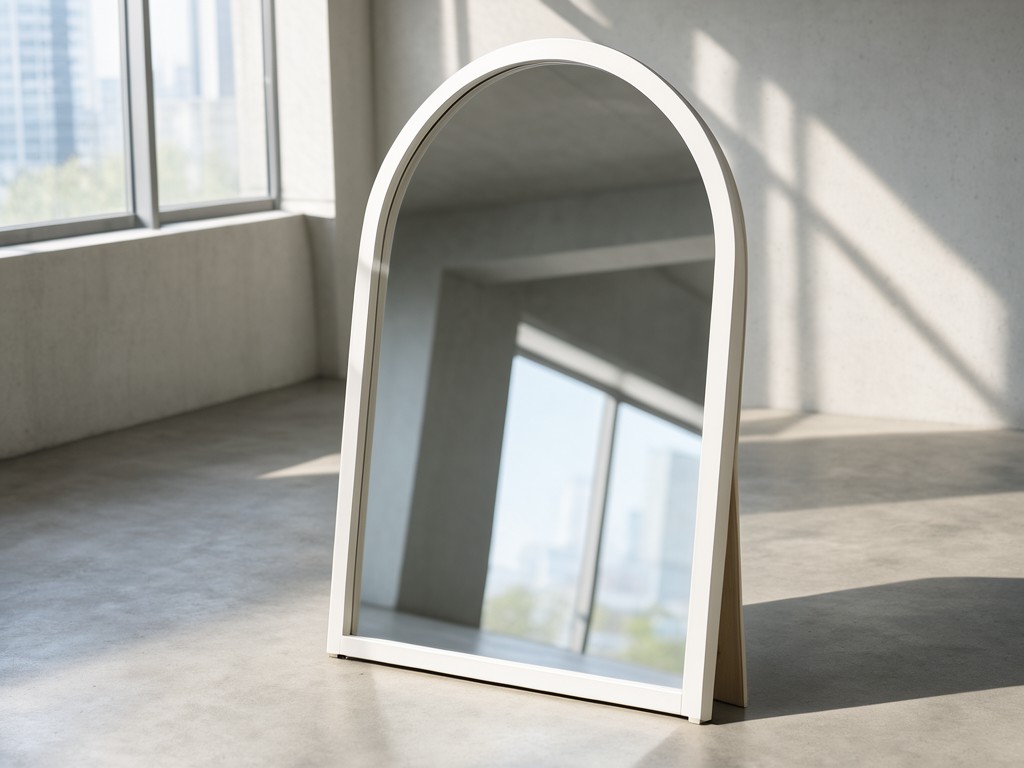
Crowned arch mirrors serve as architectural focal points in hospitality, retail, and luxury residential projects. These units require precision CNC cutting to maintain the radius of the curved top without introducing internal stress fractures. Procurement officers must evaluate the glass-to-frame ratio to ensure the mirror does not sag over time during large-scale installations.
Where Cheaper Alternatives Fall Short
Wear shows up at the same point every season when edge-sealant fails to prevent moisture ingress at the unfinished glass perimeter. Low-cost manufacturers often utilize 3mm glass which is prone to bowing under the weight of heavy decorative frames. This bowing creates a "funhouse effect" in the reflection, failing premium retail standards.
Standard-grade silver backing lacks the copper-free protection found in export-grade mirrors. In environments with high humidity, this leads to rapid delamination within 12 months. Buyers should specify copper-free silver to guarantee the service life required for hotel-grade bathroom applications.
What the Design Has to Balance
Radius vs. Distortion
Maintaining a perfectly circular crown requires specialized jig-cutting. The tighter the radius, the higher the risk of micro-cracking at the edge during the tempering process. We limit minimum radii to 300mm to ensure structural integrity.
Weight vs. Mounting
Heavy solid wood frames increase the load on wall anchors significantly. For units over 20kg, we utilize French French cleats to distribute weight and prevent the mirror from pulling away from the substrate.
Specification Range and Customisation Limits
Returns usually trace back to the same weak point: the frame-to-glass bond under thermal stress. Our factory maintains standard widths ranging from 600mm to 1200mm. Custom heights exceeding 2100mm require reinforced internal bracing to prevent the glass from flexing during seasonal temperature fluctuations.
Surface finishes are limited to powder coating, metallic leaf, or natural wood veneers. Note that intricate hand-carved patterns are not compatible with high-volume production cycles as the CNC-cutting process requires a uniform backing profile for the glass fit.
Usage Scenarios and Buyer Segments
- Hospitality Procurement: Hotel chains utilize these mirrors in guest suites and dressing areas where optical consistency is a primary KPI.
- Retail Franchisers: Boutique stores require private-label framing with specific matte finishes to match interior branding guidelines.
- Interior Design Firms: Large-scale residential projects demand custom dimensions to fit specific architectural alcoves.
How Consistency Is Held Across Batches
Batch traceability is managed through glass-batch numbering and silver-coating lot logs. This ensures that the color temperature of the reflection remains uniform across a 500-unit order. We utilize dimensional tolerances of ±2mm on all arch points to ensure mounting hardware aligns perfectly.
Volume Planning and Lead Time
Production cycles for standard sizes typically span 25 to 35 days following artwork approval. Custom-framed orders require an additional 14 days due to the curing times of specialized paints and lacquers. We recommend staggered orders for large-scale developments to mitigate the risk of material supply chain fluctuations.
Packing, Marking and Freight Configuration
Breakage during transit is the primary risk for large-format arch mirrors. We utilize double-layered wooden crates with high-density polyethylene (PE) foam inserts. Each mirror is wrapped individually in non-abrasive film to prevent frame scratches during sea freight. Crates are marked with "This Side Up" and shock-indicator stickers to ensure proper handling by carriers.
Ready to review your technical specifications and branding requirements?
Initiate Artwork and Branding Review